
Sorry, spare pickings.
Anotherof those poetic notes about the green grass’s requests.
Enjoy!
Meanwhile, I shall scour the cityscape for more next week…
Sorry, spare pickings.
Anotherof those poetic notes about the green grass’s requests.
Enjoy!
Meanwhile, I shall scour the cityscape for more next week…
This is it, the very core of DC’s Vertigo Comics…

Sandman. By Neil Gaiman.
I remember when I first got into Sandman. Freshman year of high school in the mid-90s, too young to truly get it but old enough to start reading such grownup material by the great Neil Gaiman.
I came across some defunct Wizard magazine issue, at the height of my superhero obsession, it was about villains and cosmic beings and mentioned the mysterious Endless. Then I got the proto-Vertigo issue of “Who’s Who” that focused on the mature reader’s Vertigo comics, teaching me the basics of that mythology.
I was intrigued. A reputation was forming. But instead of getting the latest Sandmans on Wednesday at the comic shop, it seemed this one was no mere monthly periodical. Seemed it needed to be read like proper books.
I did get the first graphic novel collection, Preludes and Nocturnes, which made for a slow start. Then I ultimately ordered the rest from a book publisher outlet, out of order. Reading about the fall and rise of Lucifer and the key to hell, stories at the World’s End Inn, and I tried to make sense of it storyline by storyline. It taught me much about Greek mythology, Shakespeare, and Edwardian occult groups.
One chapter won the World Fantasy short story award, I believe the only comic to do so.
Seventy-five odd issues with various special editions. Eventually, I caught up to it all, and had to reread and reflect several times over in my life.
Vertigo’s greatest success. A uniquely popular DC comics for women as well (my sister read too). And goth kids.
What exactly was this comic, Sandman, so highly regarded? Why was it even called the Sandman? Hard to explain. Where to start…
Like many of the world’s greatest comics, the name was a jumping off point based off corny comics from the 40s and/or 60s. There was Golden Age Sandman, some detective with a sleep gun. There was the Kirby Sandman, a superhero battling in the land of dreams. All those characters were incorporated into Gaiman’s epic, though not the core.
Sandman was originally even in the DC Universe proper, with early issues including a few superheroes. That soon grew too small a setting and Gaiman wasn’t limited by continuity, though he toyed with DC history on occasion.
The main protagonist, if you will, was Dream of the Endless. Also known as Morpheus, ruler of the land of dreams. Dream was not a god because gods need to be worshiped to exist. He was a member of the Endless, which have higher origins. There was Destiny the oldest — who was a host from 70s horror comics, sister Dream, Destruction, Desire, Despair, and Delirium. Sense a pattern?

But you can’t write a monthly comic based off near-omnipotent beings. Oftentimes, this mythology was the starting point for short stories about other mortals interacting in this grand fantasy world. And the immortals, the demons, the witches, and the lovers. The historical figures. It’s tricky to claim one protagonist.
Let me speak a moment about Death.

One of the most interesting creations was Gaiman’s interpretation of Death. Not a dark reaper, but a cutesy goth girl who gives great advice. You end up just adoring her.

Not much finds this weekend, but I did come across this toilet sign.
Isn’t it good to feel special?
We all like our quality television these days, don’t we? It’s a given that the new era of literature is television, started by HBO’s crime dramas and continuing on other networks. As we all agree. We all take it for granted that storytelling is evolving, and the once maligned medium of TV now produces the highest quality there is. Welcome to the Golden Age.
However, at least a decade before HBO rewrote the rules of television there was another maligned medium breaking all the rules. Comics never quite got the respect they deserved, but the proto-HBO of comics would still be Vertigo.
In the mid-to-late 1980s, DC Comics started publishing some very mature comics. It was very much the house that Alan Moore built. Starting with Swamp Thing and continuing with Watchmen and beyond, DC won award after award and their horror comics imprint began to get very literary indeed.
Mr. Moore has since disavowed DC Comics, and refuses to work with any mainstream publisher. He’s more of the INDIE camp these days… Yet, they owe him a great deal.
Alan Moore deserves a post all his own, coming soon.
Meanwhile, the most popular comics coming out of DC’s horror imprint in 1989 turned out to be Sandman by Neil Gaiman. It started out as a reference to an obscure superhero, incorporating various old 70s horror characters, and then it turned into one of the greatest fantasy epics of all time.
Issue 1 of Sandman simply said “Suggested for Mature Readers.” There was cursing, nudity, the whole bit. Like rated R movies. Was it risky for DC, the same mainstream publisher as Superman, to publish?
By 1993, there was a new label. It said Vertigo up there in the corner. Thus, Vertigo – a subset of DC – was born.
Neil Gaiman and Sandman will get a post all their own very soon as well!
And, you’ll notice both Moore and Gaiman are British writers. That’s another theme of quality comics – they tend to be part of the comic’s 80s British Invasion. Guess the founders of the English language tend to be better scribes.
Winning scores of Eisner Awards every year and popularizing the economic model of selling trade paperback reprints (i.e., “graphic novel” volumes) at bookstores, Vertigo changed the game forever and fully realized the medium’s potential. Finally, comics grew up.
Below are a few of my favorite Vertigo titles. Not meant to cover everything, just a few. As said, early Alan Moore and Gaiman’s most popular works – especially Sandman – will be covered later. Don’t you worry. I’ll also get into Invisibles by Grant Morrison and Transmetropolitan by Warren Ellis. All in due time.

Firstly, Preacher by Irish scribe Garth Ennis was the most badass comic to read when I was in high school. Ennis, by the way, known for writing the Demon and John Constantine (an Alan Moore creation) in the Swamp Thing spinoff Hellblazer. A lot of up-and-coming writers would write Constantine over the years, it was Vertigo’s longest running series, but I didn’t usually follow.
Preacher wasn’t part of the greater “Vertigo Universe”, it was its own self-contained, creator-owned thing. Which is best.
I was determined to read it all, and snuck away at the bookstore to catch up on the graphic novels. I don’t think it was finished yet when I started back in the mid-90s, but by the time the last volume came out I read it to the end.
It was an American Western written with the perspective of the outsider, fully capturing and bottling that Americana essence. About Jesse, a preacher who fucks and drinks. And also on the lookout from a corrupt God. And had the superpower Word based off being possessed or something by the offspring of angel and demon. There were vampires and rednecks and the Saint of Killers and grungey-suicidal Arseface and Vatican conspiracies and an inbred descendant of Jesus Christ.
It was oh so blasphemous, so good.
I heard a TV show is finally in the works.
Let me add that I believe the Da Vinci Code ripped off Preacher. The Da Vinci Code was a terrible book as everybody knows, but most are unaware that the first work of fiction to successfully use those Holy Grail bloodline conspiracy theories was in fact Preacher. So, kudos to Garth Ennis and a hearty fuck you to Dan Brown.
In more recent history, I didn’t like Ennis’s superhero lampoon The Boys (it’s funny but enough already, we get it you hate superheroes). I am told I should be currently reading his series Crossed from Avatar Press.

Books of Magic was one of my heartfelt discoveries, not particularly popular but I enjoyed it. Originally a one-off graphic volume by Gaiman, it was about a bespectacled young wizard but moreso a vehicle to tour the mystical sections of the DC/Vertigo Universe.
Then, the long-running series by John Ney Rieber and then Peter Gross continued the story of Timothy Hunter. His boyhood, his girlfriend Molly, Faerie connections, dealings with demons.
You may notice that it’s suspiciously similar to Harry Potter, the young Brit sorcerer in glasses with an epic destiny. Books of Magic was created several years earlier. And Tim was much cooler than lame Harry Potter. Gaiman actually could have sued J.K. Rowling, like many others did, but gentleman that he is he declined.
In my early 20s I hunted down every used graphic novel and back issue until I read the whole story, and when Rieber’s run concluded I picked up the issues written and illustrated by Gross. It was lovely. I didn’t read those newer ones about him grownup, Wartime or somesuch, I’ll always remember Tim Hunter as a boy.

One of my absolute favorite things ever was Moonshadow, beautifully written by J.M. DeMatteis (remember I was a fan of his 80s-era Justice League) and elegantly painted by Jon Muth. By favorite things ever, I don’t mean one of my favorite comics, or even books/fiction, I totally mean one of favorite things ever.
Actually, was previously published by Epic – Marvel’s less successful imprint –but reprinted by Vertigo years later. I’m glad they did.
The very first painted comic, even predating Marvels. The watercolors by Muth have an altogether different feeling from Alex Ross’s oils. Surreal, dreamlike space saga about a boy exploring a ridiculous universe, spaceships and social satire and coming-of-age and sex, until enlightenment is attained.
I remember reading the whole book in one sitting on a quiet Ohio weekend as a kid, a thick book covering twelve issues and an epilogue.
A most perfect work of art, cannot be overstated. My heart aches in remembrance.
Thanks to martalivesinchina.wordpress.com for this weekend’s Chinglish donations. Go and follow her blog, it’s Spain meets China!
Toilet facilitates and fair wairning…
Enjoy:




Obviously, comics needn’t always be about superheros. Not even ninjas or pirates or robots. Comics are simply a medium and can contain as many diverse genres as prose novels or film. The simple juxtaposition of words and pictures can create works of high literary value, and has for decades.
I don’t have to explain that to you sophisticated readers, right? The whole ‘comics are for grownups’ conversation has been cliché for ages already.
Point being, I do read comics of a higher caliber. I enjoy comics written by authors of literary merit. Not only that, but sometimes I try to support comics that are not published by the big media comics (DC being owned by Warner Bro. and now Marvel owned by Disney), such as publishers Fantagraphics, Kitchen Sink Press, and Drawn & Quarterly. It’ good to support storytellers who have a more independent streak, as well as those fun boy’s adventure stories.
I like an auteur who both writes and draws, in cheap black & white, getting to the core essentials of humanity.
In no particular order, here are my favorite indie comics.
Will Eisner is a legend. Credited with popularizing the concept of graphic novels in the first place, one of his seminal works is the very deep A Contract With God.
Dealing with issues of Judaism and American identity and the (non) existence of God, this sort of book has nothing whatsoever to do with capes.

I also recently read Fagin the Jew, among others. There’s a consistent theme. Also, Eisner going back to his early 1940s days with the Spirit was very good at playing around with the panels of the page. A serious writer and artist all at once.
Nowadays, Dan Clowes is my kinda guy. One of the great alternative cartoonists of all time. His anthology series Eightball was weird and brilliant. The surreal Velvet Glove Cast in Iron. His latest book Wilson about a misanthrope’s misadventures.
Yet the best of the best is undoubtedly Ghost World, about two young women complaining and trying to figure themselves out. It was making fun of hipsters long before it was cool to make fun of hipsters. The film is a fine film as well, but if you’ve ever seen it please treat yourself to the original.

One running them of indie comics is that they are often autobiographical. Time and time again the format of the memoir has led to some great writing throughout the history of literature. In comics, this goes all the way back to the pseudo-pornographic comix of R. Crumb in the 60s.
Contemporarily, Blankets by Craig Thompson is a wondrous thing of beauty. About young love, a Christian boy losing his innocence in naive middle America, with powerful art. It hit me so hard the first time I read it in my early twenties, and I’ve gone back to it from time to time when in the mood for that soft melancholy feeling…
Craig Thomspson’s more recent middle-eastern epic Habibi is also quite worth the read.

Speaking of autobiography, Maus by the great Art Spiegelman. I don’t have to sell this one; he won the friggin’ Pulitzer Prize for this famed story utilizing the metaphor of Jews as mice and cats as Nazis. Yet, as much as it is a very important work about the Holocaust, I think it is almost overhyped on that aspect. At it’s core. Spiegelman speaks about his relationship with his father more than about war atrocities. Still, intense on all levels.

If i may be more irreverat for a moment, fuckin’ Sin City by badass writer-artist Frank Miller. I’ve already spoken of him in my 80s Marvel post for Daredevil, and my Batman post for The Dark Knight Returns. He may be insane now, but he used to be among the greats.
Sin City was published by Dark Horse Comics, which is a little mainstream in that they also had the rights for Star Wars comics and various other franchises, but Sin City was creator-owned from the beginning and Dark Horse is a solid company on respecting artist’s rights.
I loved these graphic novels in my teens, illicitly reading them in the bookstore and peeking at the nude parts. Like a rated X noir movie, it was unrelenting. Marv, Dwight, Hartigan, Nancy. A Dame to Kill For, the Big Fat Kill, the Hard Goodbye. Damn.
Guess what. I know they’re popular and sure he even codirected, but I don’t like movies at all. Sin City is best as a hardcore comic, nothin else.

The latest news on my eMemoir: “Pearl River Delta” available on Amazon’s KDP:

I recently terribly injured my finger while cutting vegetables, and needed to buy a Band-Aid. At least, in America we call these bandages Band-Aids. I know you Anglos call them plasters.
Yet come on: OYEAH STERILE WOUND PASTE??

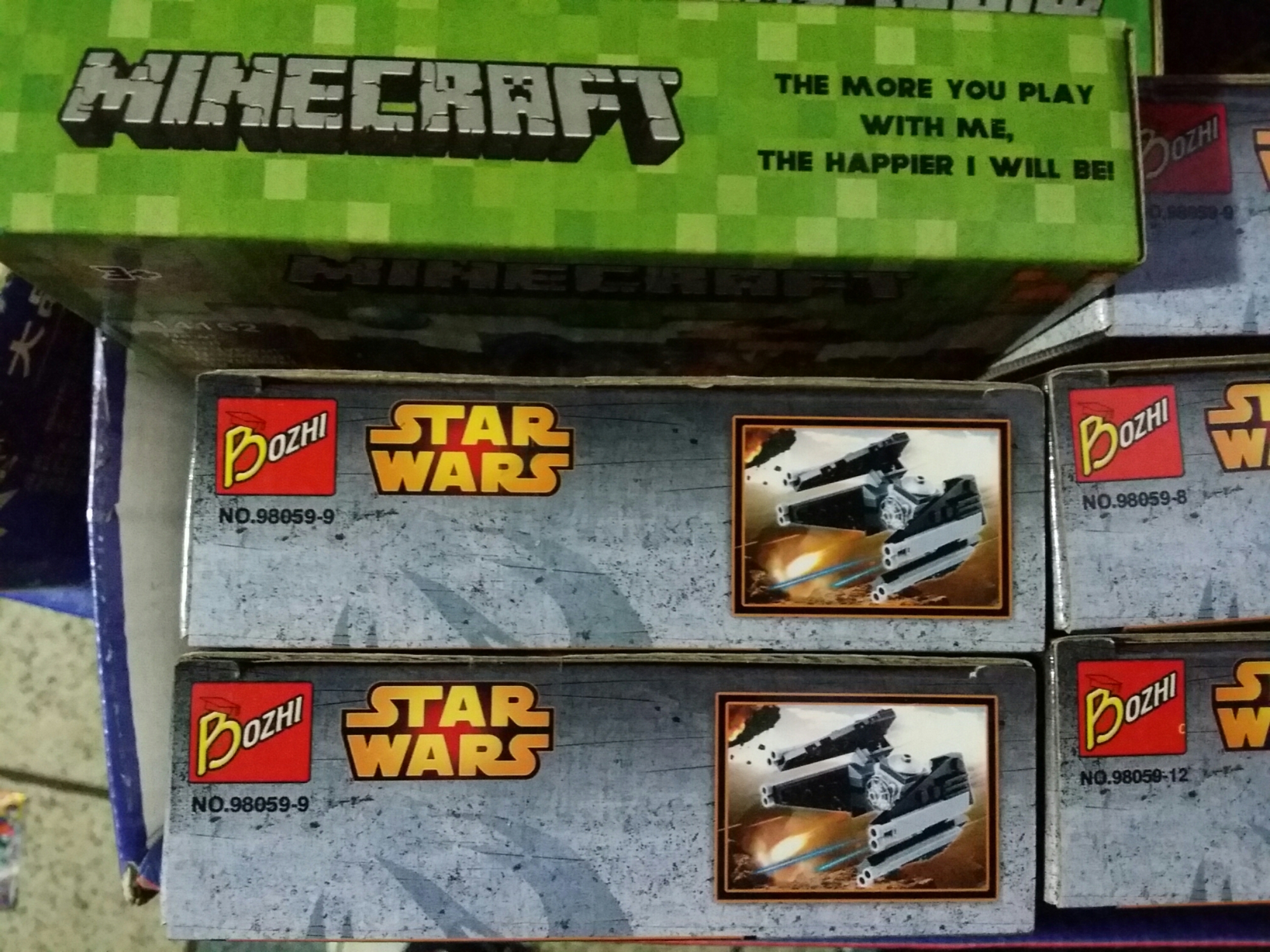
Also, let me add some bootleg Legos — hereafter referred to as ‘bootlegos.’ Get it? I slay me.
I bought the Star Wars TIE Fighter. Sorry
The Minecraft one charmingly says “The More You Play With Me, The Happier I Will Be!”
Cute right~
Manga Fan:
Does the following count as anime/manga?
We all know the theme song.
There was a certain cartoon — a classic American cartoon of the 1980s that happened to be brought to you by Ronald Reagan’s toy advertisement deregulation. (So THAT’S why there were so many awesome 80s shows which were basically advertisements for toys.) A certain program we all grew up with, and it had Japanese origins.
In the early 80s Hasbro bought up several toy lines of transforming robots hailing from Japan. Marvel was hired to create the backstory, as the comic company had done with G.I. Joe. Jim Shooter and Dennis O’Neil created the Autobots vs. Decepticons of the planet Cybertron premise, with all the character profiles and so on.
The show was produced by Japan’s Toei Animation, and it was a hit. Transforming robots, what’s not to love! There was also Gobots that predated it a bit, from Tonka and Hanna-Barbera, and the less said about that.
To me, the highlight was 1986’s Transformers: The Movie, set in 2005, a brilliant piece of outer space escapism that killed off Optimus Prime and had all Cybertronians facing off against the planet Unicron. AWESOMENESS.

And I fucking hate the new Hollywood blockbuster movies. They are shit. I’m not even going to get into that. No, I am all about the Generation 1.
Going back to the post My History of Comics, when I was about 11 I moved into some relatives’ house and inherited a ton of 1980s Marvel Comics. I didn’t mention that many of those comics were the original Transformers. I had almost all the issues from # 1 to 55 written by Bob Budiansky, although there were gaps filled in later.
It was originally intended to be in the mainline Marvel Universe, and issue 3 featured Spider-Man vs. Megatron! That full issue to this day can’t be legally reprinted by other companies.
Actually, it was fascinating to me and much better than the TV series. Optimus Prime died early on, replaced by Grimlock. Prime did come back to life. Megatron died and came back too. The Headmasters spinoff featured more complications, and it built up to an epic mythology. Even a crossover with G.I. Joe.
It got even better after 56 as writer Simon Furman took over the franchise until the final issue 80. He said that at the time Hasbro was winding down the product line and he was given free reign. He incorporated much of the futuristic film’s characters, and told of the secret origin of the Transformers. Most of those issues are rare and valuable today; I didn’t read much until reprints in graphic novels years later.
I did however eat up the short-lived 12 issues of the Generation II written by Furman. It was pure 90s Marvel, violent, and I an adolescent just loved it.

Nowadays, it’s hard to recall that there was a time when the popularity of Transformers was uncertain. In the early 2000s, Pat Lee led a resurgence with high-quality art in the anime style, and Dreamwave was licensed to publish new Transformers comics.

Now a proper grownup, I geeked out as only a well-read adult can. I’m too old for toys. Most of the time. There more decorations than toys. Yet will not apologize for my taste in fine literature.
The first two miniseries were actually not that great, but then an ongoing series by Brad Mick got much better. I felt they were building up to the film’s 2005 year, and then they were going to get into Arcee and the female Autobots, when Dreamwave abruptly went bankrupt and the whole thing was stopped short at issue 10.
Simon Furman also wrote an amazing prequel set of series, The War Within, on the ancient beginnings of the Cybertronian civil war. The art and redesigns were meticulous. Two 6-issue miniseries, but then a third one cancelled in the middle.

IDW took up the mantle and currently publishes many Transformers comics. I hear some of them are supposed to be good. Sadly, I got burnt out on reboots and moved abroad and don’t follow.
I really should get around to reading Last Stand of the Wreckers…
Happy Chinese New Year!
新年快樂!
I’ve seen a lot of goats lately…
Just got back from Zhuhai yesterday, a tourist beach town not far from here. Bordering the former Portugese colony of Macau, Zhuhai is also a Special Economic Zone but does not equal the hustle and bustle of Shenzhen’s metropolis. We went to a hot springs resort and had a lot of fun.
And, getting out of the big city helps to find a \lot more hilarious mistranslations.
Especially menus. Can’t you just taste that authentic Cantonese cuisine of pig brain and bullfrog?
I remain a vegetarian, more inspired than ever.
Presenting: Zhuhai Chinglish

Mmm hot dog bowel

Green hometown is nice

Bacteria, okay…..

Germs, appetizing

Beef balls pee, yeah! Not too mention the rest
Previous: Manga 漫画 マンガ!
When I wrote about my favorite manga growing up in the 90s and 2000s in the above, you may have noted a certain title concerning dragons and balls to be noticeably absent.
And when it comes to nowadays, you may have wondered where are the pirates and ninjas.
That’s because Shonen Jump deserves a post all it’s own
The most popular comics in the world are published by Shonen Jump anthology magazine in Japan. Although Shonen implies adolescent boys, males and females of all ages have enjoyed these tales.
The Japanese comic model is more sustainable than the American magazine system, with its color and ads, as in Japan you can buy these phone book-sized anthology books before the little tankōbon graphic novels.
In 2003, Viz published an American edition. I started from the beginning, reading my favorite titles over a decade a go. I believe it’s only digital now.
But let me go back further than that, to Dragon Ball and its maturation into Dragon Ball Z (the distinction is only made in the anime series on television). It was certainly one that consumed my teenagehood. Akira Toriyama, already famous for Dr. Slump, created this Monkey King analogue about a certain Son Goku searching for dragon balls to make wishs and the adventures along the way. It soon became his most popular series, and he went on with it to ridiculous lengths

The fighting became more over the top, with cosmic escalations. Characters began to have the power to destroy the Earth — although the Earth always was this strange fantasy-land which is another trope of the Shonen Jump greats below. Further tropes were time skips and subsequent aging, villains from earlier arcs becoming heroes, and characters dying yet continuing on in an afterlife setting. Not to mention the slow pace of story-telling, waiting for our hero to save the day after training…

Power level over 5000! Remember when that was a big deal to Vegeta? Then Super Saiyans and 2s and 3s and androids and Majin Boo. The best villains were always the aliens, though I almost thought the story should’ve ended with Frieza.
Dragon Ball GT just sucked, only consider the canon. Only those based directly off the manga comics were canon, that goes for all anime series. Though the occasional film directed by the creator counts as well, such as Battle of the Gods and One Piece Z and the upcoming Naruto the Last.
Eventually, I read the entire manga; that’s 42 books at 519 chapters. And the current stories I like — Naruto and One Piece — run far longer than even that.
But I was first introduced to DBZ on television. In middle school, there were a few episodes of Dragon Ball and Dragon Ball Z on network television. That didn’t last long, but luckily Cartoon Network aired the whole series and it took off on American pop culture and we all remember it fondly. It was an era.
I also liked Yu Yu Hakusho/Poltergeist Report, back in the early days of Toonami. The story of bad boy ghost Yusuke contained similar themes of afterlife and demons and saving the world in increasingly-epic fights. Much shorter though; didn’t take all those years to go through series — manga nor anime.

Also, about another dead guy. Bleach I started out reading but never got too into it. More power to you if you happen to be a fan.

These days… Naruto!


That’s all I got this week. For emergency services, be more precise! Or something.
I know I know, I can do better. What can I say, it was a dimly lit bar and I was partying a bit. I vaguely remember the fine print was funny. Guess we’ll never know.
Patriot that I am, I have always been a great fan of American comics — and by association that goes for various British authors as well. I grew up on superheroes primarily, though of course comics is a medium not a genre and there’s no reason I can’t read more literary and independent series along with the flying adolescent fantasies.
However, so far I admit to having been too Western-centric. There happens to be a whole other country with a tremendous comics tradition that dwarfs the whole of North America and Europe together. I speak of course, of that mysterious land of Japan.
I read:
Goodreads shelf: manga
The Eastern style is so different, and in many ways superior to the assembly-line system of writers, artists, inker and colorist . The cartoonist in Japan is almost always both author and illustrator, the he or she is helped by assistants. Black and white except for special occasions. Adaptations, usually made famous in anime productions, are word-for-word and shot-by-shot remakes extremely faithful to the source material. Comics being taken seriously by the literary world is fairly recent in the West, yet Japan embraced adult comics right after the post-war period as an efficient form of entertainment when they couldn’t afford to make films. They are produced quickly, read fast, and often stories come into hundreds of chapters (dozens of graphic novel volumes) for a story to be patiently completed by the auteur.
I recommend the brilliant essay/graphic novel Understanding Comics by Scott McCloud to delve deeply into the nature of East vs. West art forms, upon the subjects of minimalism and respect for words & pictures at once as well as studies on neurological effects of cartoons.
Let’s start with some history. Best place to begin is with Osamu Tezuka, the God of Manga. An insanely-prolific writer and artist, the mangaka drew over 100,000 pages in his lifetime! Originally inspired by Disney stylings, he soon found his own voice in the 1950s and 60s. Funny how Disney later ripped off his Kimba the White Lion with a certain lion king…
I came late to the party, but did all I could to read his best works in my late teens and early twenties in the 90s and 2000s.
You may know the character of Astro Boy.

Tezuka was originally trained as a doctor before he found his artistic calling, and his medical drama Black Jack comes highly recommended.

There was also Adolf, about World War II. Buddha, biography of the holy one. Phoenix, an epic tale that bounced from ancient Japanese history to the far future.
Here’s the Goodreads shelf for more:
Tezuka
Now, I wasn’t watching the Astro Boy cartoon in the 1960s. I got into anime in the 90s like everybody else starting with a VHS tape of Akira.
I was way too young to be watching a movie like that, and I was blown away. The most badass cyberpunk film ever made, still awesome today.
“Neo-Tokyo is about to explode.”

The comic was even better. While the film had the title character — the government pscychic test subject Akira — only as brain tissue in jars, the comic had the super child reborn. And, when Neo-Tokyo was nuked the film ended. That was only half of the comics series. Then it continued twice as long with in the post-apocalyptic wasteland of World War IV. With incredibly detailed art work by Katsuhiro Otomo, who also directed the film.
There were higher standards back then. When manga really blew up in the 2000s, we learned that Japan produces a lot of crap as well. But in the 90s only the best of the best was worth translating into English. Dark Horse Comics in particular was the quality publishing company of record.
Ghost in the Shell, by Masamune Shirow, took hard science fiction to a whole other level.
Masamune Shirow was never very prolific, but his books had a level of intricacy and know-how never before seen. Appleseed was more his opus, but Ghost in the Shell became his main franchise still going strong today. I enjoyed Black Magic and Orion equally.
But it wasn’t all seriousness and mindfuck scifi. A lot of these comics were more fun. Take the comics published by Viz:
I remember me and my sister bonding over Ranma, the gender-bending comedy of a martial artist who turns into a girl, with bunches of supporting characters who turned to animals. Challenging cisgender heteronormalcy before it was cool.
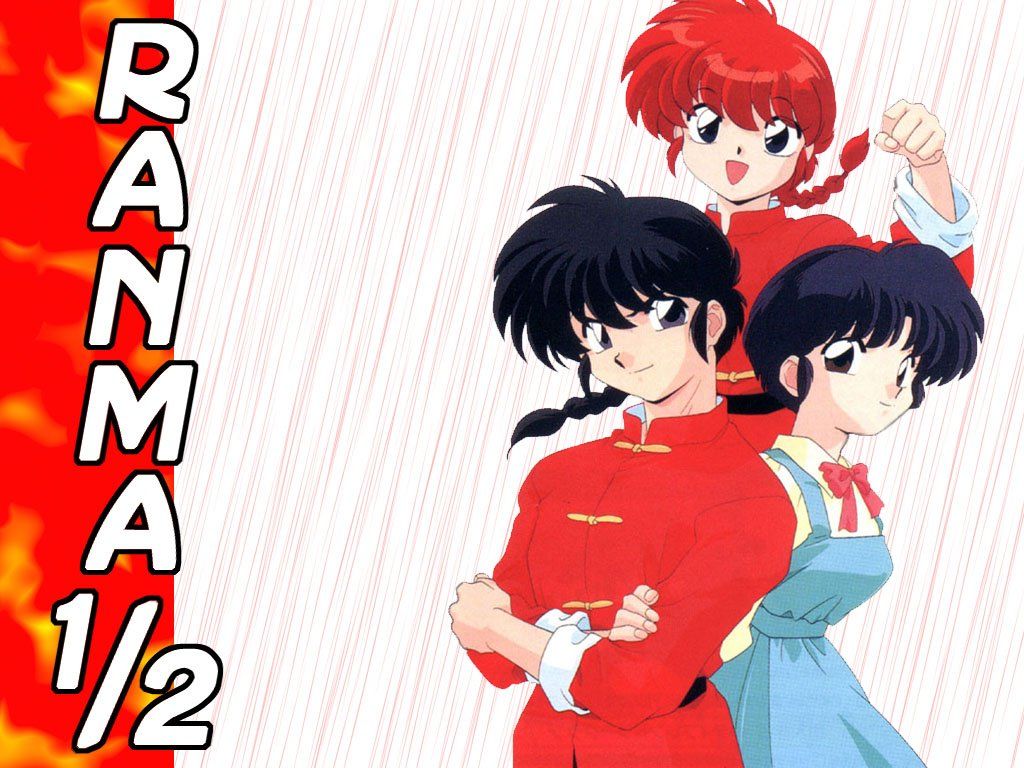
I wasn’t as into Sailor Moon as my sister, and most Shōjo is frankly crap. It was the works by top female mangaka Rumiko Takahashi that were so funny and so creative. I went further back, and discovered old Urusei Yatsura stories from the 70s about an alien demoness named Lum and her pervert ‘boyfriend.’
“Dah-ling!”

I never did get into Inuyasha though.

Its not much, but here’s a random advertisement I saw.
Let’s all go shopping.
Previously: Superman!

Daaa-daaaaa-DA-DAAAA! Daaaa-daaa-daa-daaaaa-daaaaaaaa….
Finally, everyone’s favorite superhero. Though I was never the greatest Batman fan in the world, what with all those more interesting escapist science fiction characters out there, I have read a lot of Batman over the years and it would behoove me to not elaborate.
He is central to the DC Universe, the resident hypercompetent genius who always has a plan to save the day. It’s not really ironic anymore that he’s beats everyone else with super powers, we get it already, and Batman is super smart and super cool. He does, obviously, have the best villains in all comics.
Bob Kane created Batman in 1939, though really Bill Foster contributed much of the mythos, and he was quite dark at first. Soon however, came the whimsical wiles of the Golden Age to the Silver Age and he got pretty ridiculous. He’s bounced around from camp to serious over the years, with various incarnations acted by Adam West and directed by Tim Burton.
My favorite incarnation ever is still the brilliant Animated Series, produced by Bruce Tim and Paul Dini and expertly voiced by Kevin Conroy. Mr. Conroy remains the absolute best Batman actor of all time, and I’ll fight anyone who says different.
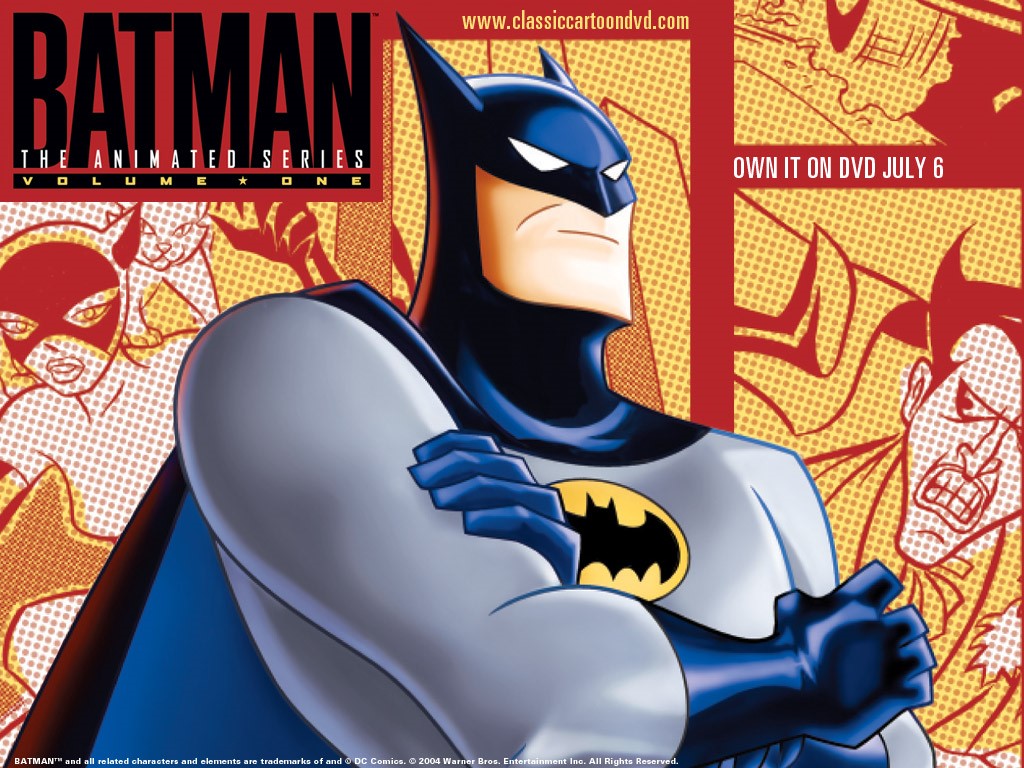
Back in the world of comics, Batman had a resurgence in the 1970s as writer Dennis O’Neil and and classic artist Neal Adams took Batman to his darker roots. They also had a James Bond sort of vibe, has he traveled the world fighting Ra’s al Ghul.
It wasn’t until 1986 when Frank Miller — of pre-Sin City fame — came along that things went real ‘grim n gritty’ dark. The Dark Knight Returns, still considered one of the greatest graphic novels ever, was about a futuristic Bruce Wayne coming out of retirement and fighting a corrupt Gotham City. Then he fought a corrupt United States government, as Superman was an asshole stooge of Ronald Reagan. It almost comes across as satire today (indeed, Miller’s later work cannot be taken seriously at all) but it was just so amazing and has aged wonderfully. Reread it today, I dare ya, it’s epic.

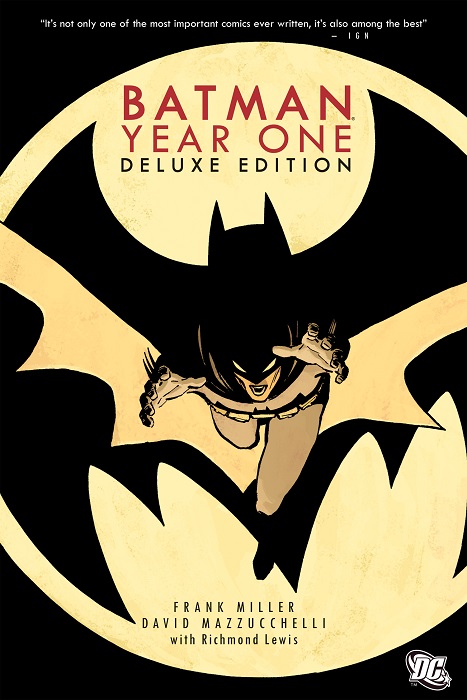
Frank Miller returned for a reboot after the Crisis on Infinite Earths in 1987, with Batman: Year One. Miller only wrote, and David Mazzucchelli drew. It was a fine story, a bit short for my tastes without a proper ending. Yet, modern Batman wouldn’t be Batman without that tale.
1988 the mainstay Batman titles were still normal superhero comics, but they needed more tension. DC decided to hold a vote to kill the unpopular second Robin, Jason Todd. The original Dick Grayson had become Nightwing over in New Teen Titans. It was a gimmick that added real tragedy to the DC Universe, as the Joker beat him to death and Batman could forever remain guilty. Joker being a middle-eastern official with diplomatic immunity at the time, a surprising twist. Yet, it wasn’t the grim gritty kind of thing, as the story was firmly set in the science fictional universe with Superman coming to help. Death in the Family, written by Jim Starlin.
Don’t worry, Robin II came back to life eventually.

The followup crossover with New Teen Titans was also firmly set in the greater DC Universe, and then introduced the third Robin Tim Drake. More on Batman’s various partners shortly.
There were many a-Batman crossover throughout theyears. Like Marvel’s X-Men, the most popular property gets to milk the readers as much as possible.
That and 90s excess, and you have the worst of it: Knightfall. In 1993 Bane was introduced, yes like the movie, and the prison-raised South American (not Germanic) hatched a devious plan to BREAK the BAT. He let loose Arkham Asylum and then when the caped crusader was at his worst he broke his friggin back. All this just as Superman was dying mind you, it was the thing back then. With Bruce Wayne crippled, the antihero Azrael armored up and took charge of the cape and cowl. Sooner than later things were back to the status quo.

In 1999, standards were higher and the crossover No Man’s Land fared much better. Gotham City had been destroyed by an earthquake and the government had given up, which led to total anarchy. Fun times. Later, Lex Luthor would rebuild it all and it set him up for his presidential bid.
I always liked when Batman faced wits with Lex Luthor and Superman battled the Joker.
 Ray-Comics