Taiwan’s drag queens go mainstream after Nymphia Wind wins RuPaul’s Drag Race – South China Morning Post

When Nymphia Wind dedicated her win on RuPaul’s Drag Race, the first by an East Asian, to Taiwan it showed how the scene there has evolved
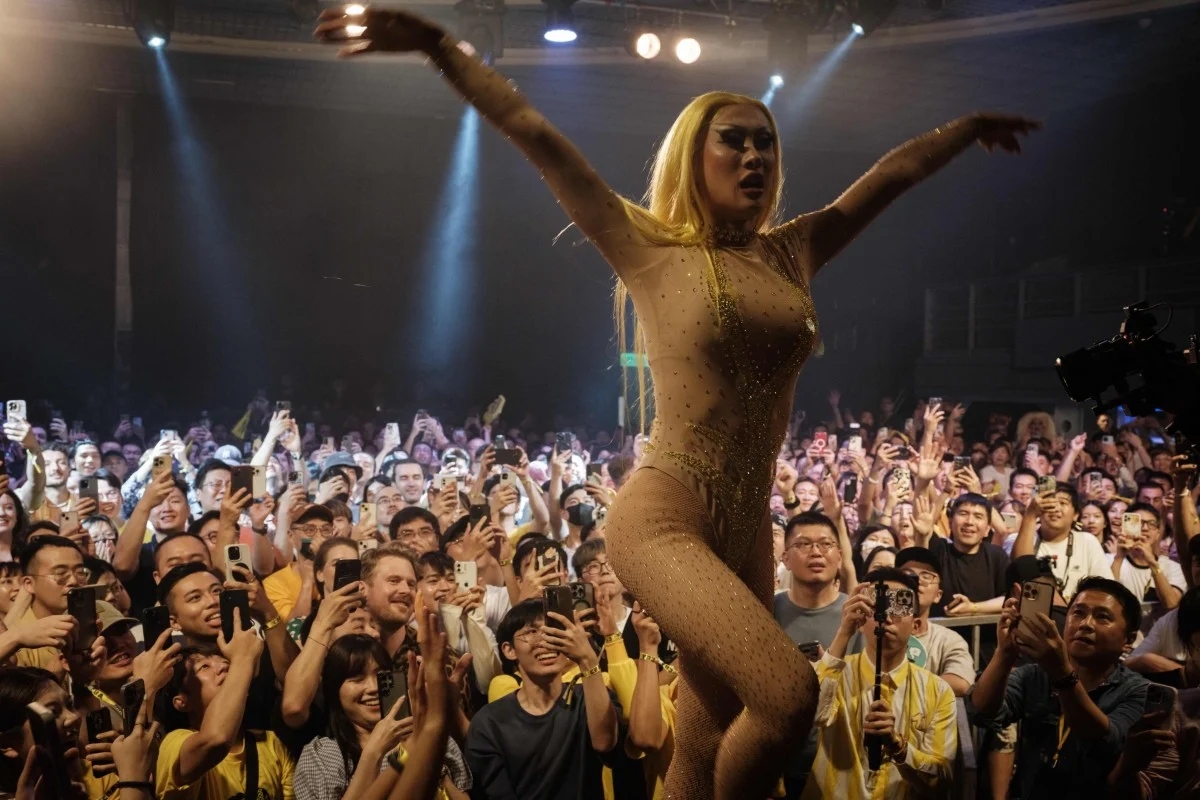
Taiwanese Drag queen Nymphia Wind performs on stage during the Second Taipei International Drag Festival in Taipei on May 25. Photo: CHIBA / AFP

https://www.scmp.com

Ray Hecht

When Nymphia Wind became the first East Asian contestant to win “America’s Next Drag Superstar” on RuPaul’s Drag Race in April, celebrations erupted across her homeland.

Prominent gay bars from north to south held crowded screenings to cheer on their representative from afar, and the accolades were well received – and not just among the LGBTQ+ community.

On the show, Nymphia often talked about her heritage and drew on her background to create costumes and masks inspired by the traditional culture of Taiwan.

The 28-year old drag performer, known offstage as Leo Tsao, inspired millions from RuPaul’s vaunted international stage, announcing “Taiwan, this is for you”. In May, Nymphia returned to where she was raised – she was born in the United States, but moved to Taiwan at the age of six.

There was an unprecedented performance at the presidential office for Taiwan’s then leader, Tsai Ing-wen, just before the inauguration of William Lai Ching-te.

Nymphia headlined the show, joined by several other local drag queens, making the occasion a significant milestone in LGBTQ+ visibility on the island.
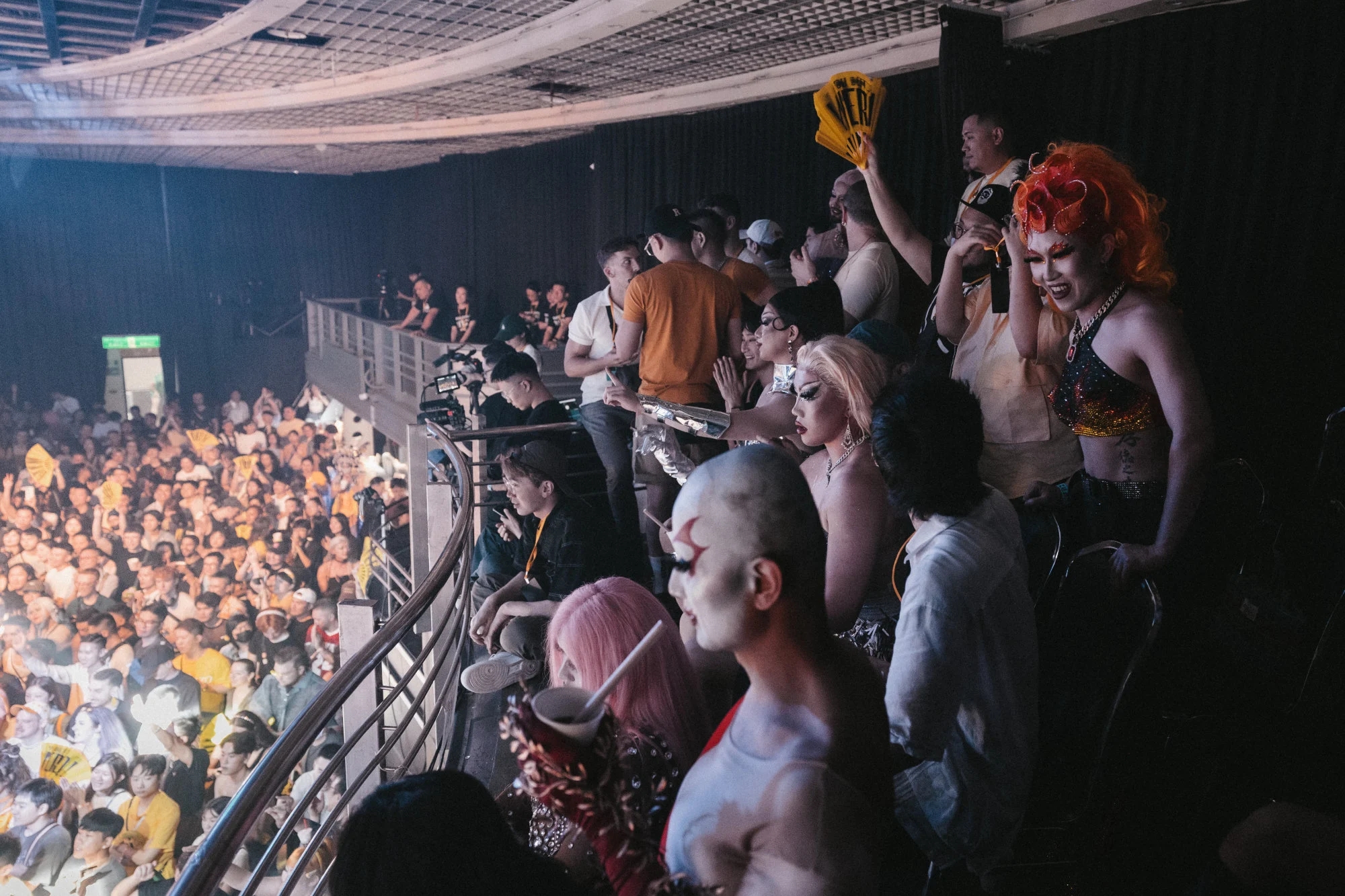
Drag queens in the audience at the Taipei International Drag Fest “You Better Werq” at Hanaspace in Taipei on May 25, 2024. Photo: Brian Wiemer

Nymphia followed this stately occasion with her first public performance since winning RuPaul’s Drag Race, at the second annual Taipei International Drag Fest “You Better Werq!” on May 25.

The event featured other American contestants from RuPaul’s Drag Race, Plane Jane and Mirage, Jade So from Drag Race Philippines, and 50 other local and international drag queens dancing and lip-synching to popular songs.

Held at the Hanaspace venue in Taipei, there was a both matinee and evening show with over 2,000 attendees in total. The audience was full of people wearing yellow and sporting banana iconography, marking them as fans of Nymphia’s signature style.

Other drag queens in the show came from all over the world. One who stood out at nearly two metres (6ft 6 inches) in height (in heels), was Popcorn, 34, from New Zealand.

Popcorn has been in Taiwan for seven years, and spoke about what it meant to be in the show.

“I’m very honoured,” said Popcorn. “I saw Nymphia’s very first performance, back when she was a baby drag queen. To see how she’s developed, her progress over the years, and seeing her work so hard, I think the overwhelming feeling is pride.

“She’s really representing Taiwan so well and so eloquently.”
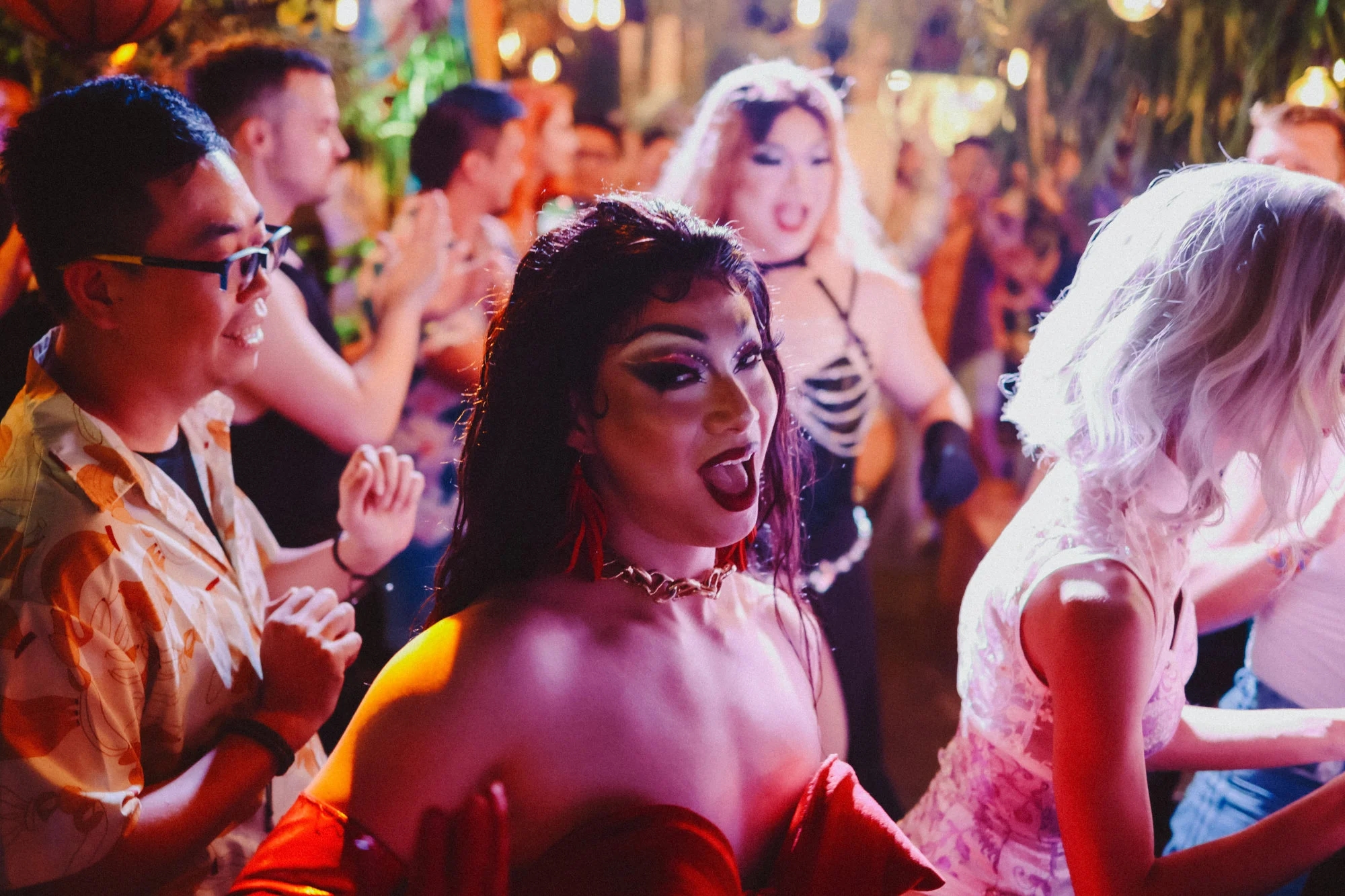
Drag queen Bagel RimRim lip-synching at Café Dalida in Ximending, Taipei. Photo: Brian Wiemer

Tinus “Bouncy Babs” Stander, 46, is from South Africa and hosted the “You Better Werq!” evening show. Babs has lived in Taiwan for 10 years, and often hosts shows in Taipei and Kaohsiung.

“I just know how I want the shows to pan out and to flow and how to get the audience involved,” he said of his hosting duties. “It’s really important for the audience to have a great time.”

Babs also shared his optimism about being part of the current movement: “We are the ones who are going to change LGBTQ rights and equality in Asia.”

Another drag queen, American Elja Heights, 34, is also optimistic about the future of the art form. Drag is “constantly moving in this direction of more people knowing about it, more people slowly – especially outside the LGBT community – are starting to understand that it is an art form”, she says.

“Everything has been really positive, which I’ve been happy to see. There have been a few online that are negative. Whatever, there’s always going to be people who do not understand what we’re doing; there’s always going to be a little resistance to progress.
“Everything has been really positive, which I’ve been happy to see. There have been a few online that are negative. Whatever, there’s always going to be people who do not understand what we’re doing; there’s always going to be a little resistance to progress.

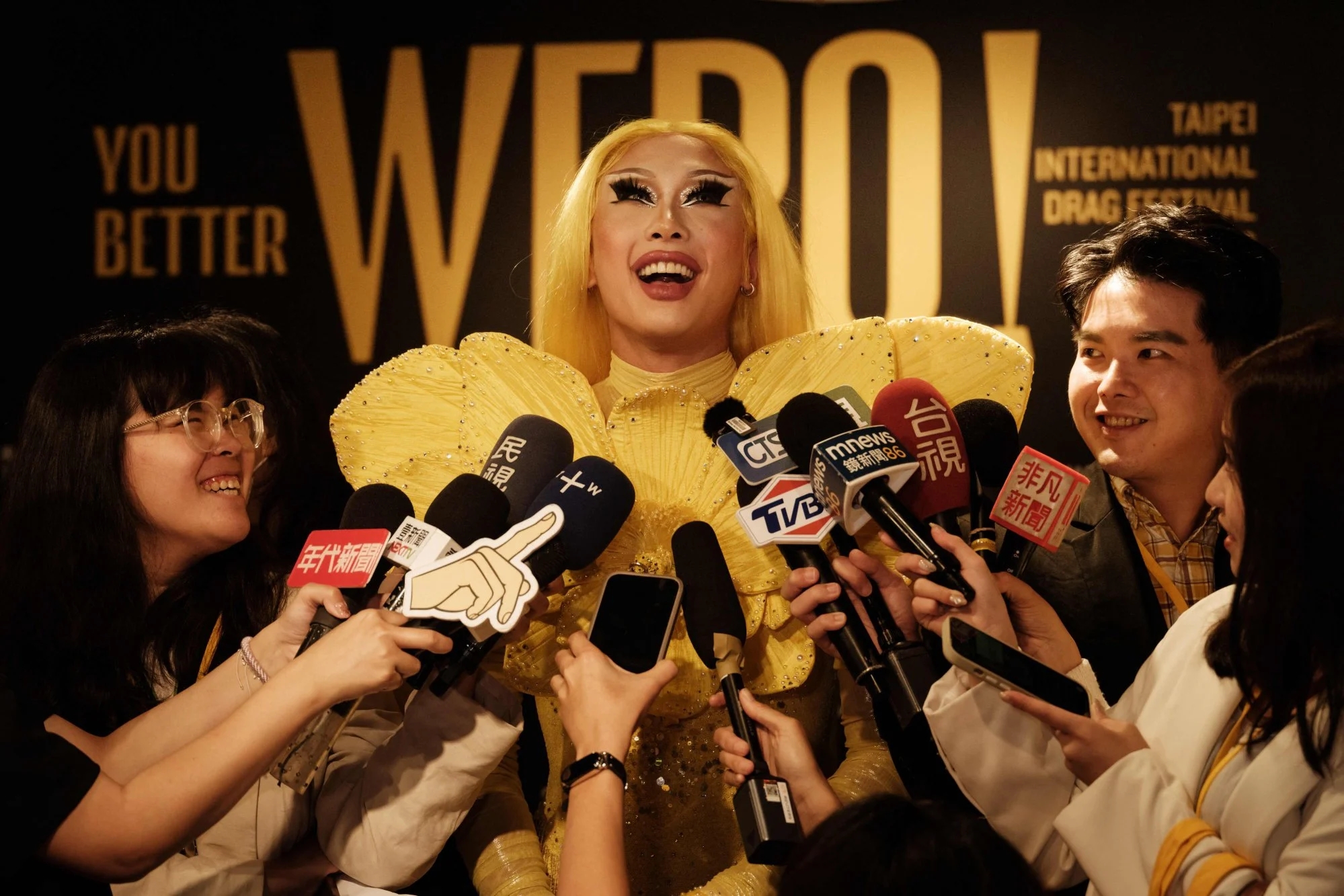
Taiwanese Drag queen Nymphia Wind talks to media before the Second Taipei International Drag Festival in Taipei in May. Photo: CHIBA / AFP

Drag existed in some bars and nightclubs in Taiwan in the 1990s, such as at Paradise Party, which was the first gay club in Taipei, having opened in 1995.

In the early 2000s, the popular comedian Da Bing brought drag to Taiwanese television with his impersonations of female celebrities. Da Bing died in 2012.

The television series RuPaul’s Drag Race premiered in America in 2009 and had a big impact throughout the 2010s. Many drag queens around the globe have described how the show was a major influence for them.

Social media also helped the culture grow, which led to brand sponsorship for some of the bigger stars, particularly during the Covid-19 pandemic, which led to more popularity.

Some of the other big names that came up at the same time on the island as Nymphia are Yolanda Masula, Chiang Weii, and Feilibing.

“I’m very happy because Nymphia won. Different people see drag as art. But the environment is still very hard for drag queens”
Tseng Chih-wei, director of the Mommy Drag documentary

Drag queens have been around in Taiwan for decades and often performed in smaller venues, fostering their tight-knit community.

There is, for example, a bar in the Ximending shopping district where Elja had met Nymphia before the trappings of fame.

“I’ve known Nymphia for a long time,” she says “We’d see each other a lot at Café Dalida, an outdoor bar in Taipei that’s had drag performances for a long while.

“I jokingly call it the public gay square, because if you go to Dalida, you will run into people you know.”

Café Dalida has hosted frequent drag shows, featuring lip-synching performances with glamorous costumes and make-up, as well as other events important to the community.

On May 11, the documentary Mommy Drag (2020), which features Nymphia, was screened there. The director, Tseng Chih-wei, 32, attended and gave his perspective on the challenges that he feels still remain.
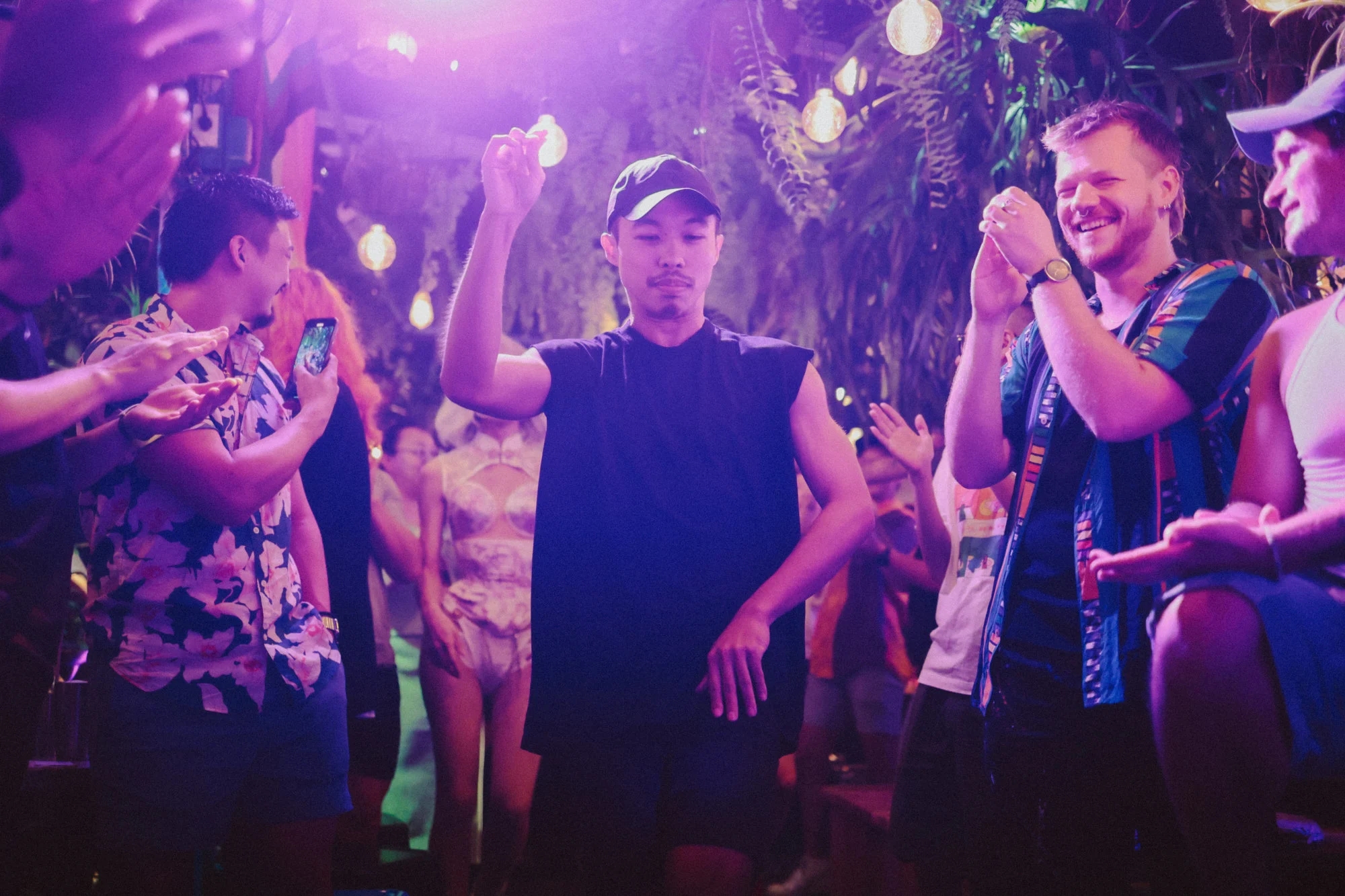
Tseng Chih-wei, director of Mommy Drag, at Café Dalida in Ximending, Taipei. Photo: Brian Wiemer

“I’m very happy because Nymphia won,” said Tseng. “Different people see drag as art. But the environment is still very hard for drag queens [in Taiwan]. They don’t get paid well.

“During the pandemic, the government had funding to help people, but when drag queens applied for funding as artists, they got refused. I wish drag queens were more recognised as artists.”

The owner of Café Dalida is Alvin Chang. He also organised “You Better Werq!” The 53-year-old is from Taipei; he opened his bar in 2006, and “the opening day had drag shows”.

Chang also knew Nymphia before she gained international fame by winning RuPaul’s Drag Race; she had hosted several of his events since 2019.

“Nymphia in person used to be very quiet,” Chang recalls, but since RuPaul’s Drag Race, he says he feels “everything has changed”.

As Nymphia harnessed the attention, so has Taiwan’s drag culture in general. “Before,” Chang says, “drag shows were underground, nobody cared. Now, everyone is focusing on it”.
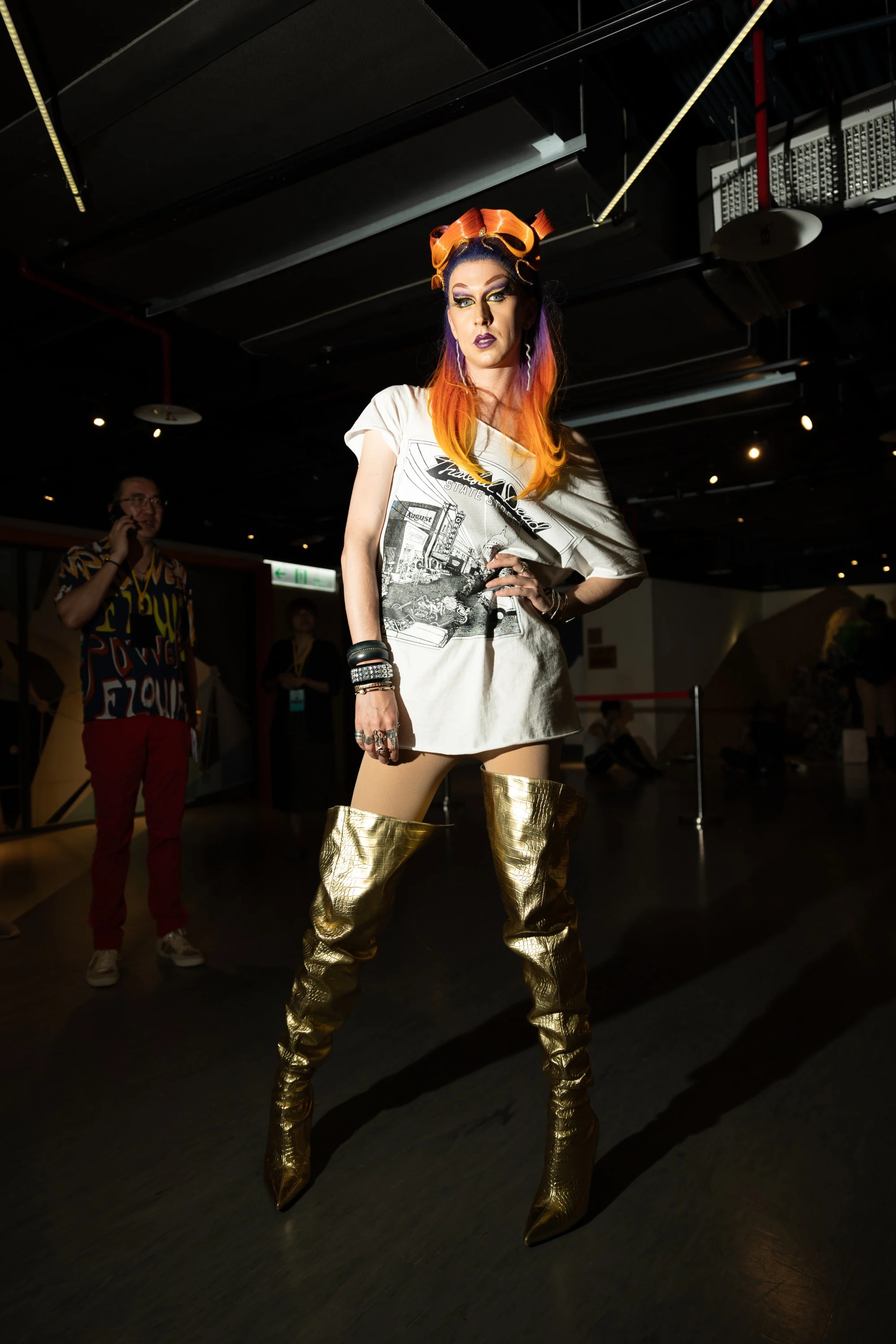
US drag queen Elja Heights posing at Hanaspace in Taipei, before performing at the Taipei International Drag Fest. Photo: Brian Wiemer

When asked about organising “You Better Werq!”, Chang says: “This was the grandest in our eight years of organising large-scale events. Our past experiences were insufficient for this event, especially with so many media and distinguished guests attending. It was a whole new level for us.”

For example, Taipei City counsellor Miao Poya, one of the few openly gay politicians in government, came to check it out. Taiwan’s Minister of Culture, novelist Li Yuan, attended and gave a speech during the matinee show.

“The Taipei International Drag Fest is a shining example of how diverse cultures and expressions can thrive in Taiwan,” he said. “It is wonderful to see such a vibrant celebration of creativity and inclusivity.”

Originally, the plan was to only have an evening show, but there was much more interest than anticipated and an afternoon matinee was added.

“On the day after Nymphia won the crown, the evening show, which had been on sale for a month with little progress, sold out within a day,” says Chang.

“The next day, many in the media suddenly contacted us wanting to film the event, and many friends couldn’t get tickets. So, after discussing with Nymphia and her fellow queens, we decided to add the afternoon show.

“Major media outlets, both domestic and international, reported on it, and the unexpected visit by the Minister of Culture was an unprecedented achievement.

“This event involved over 100 people, including performers and staff, working together to accomplish this difficult task!”
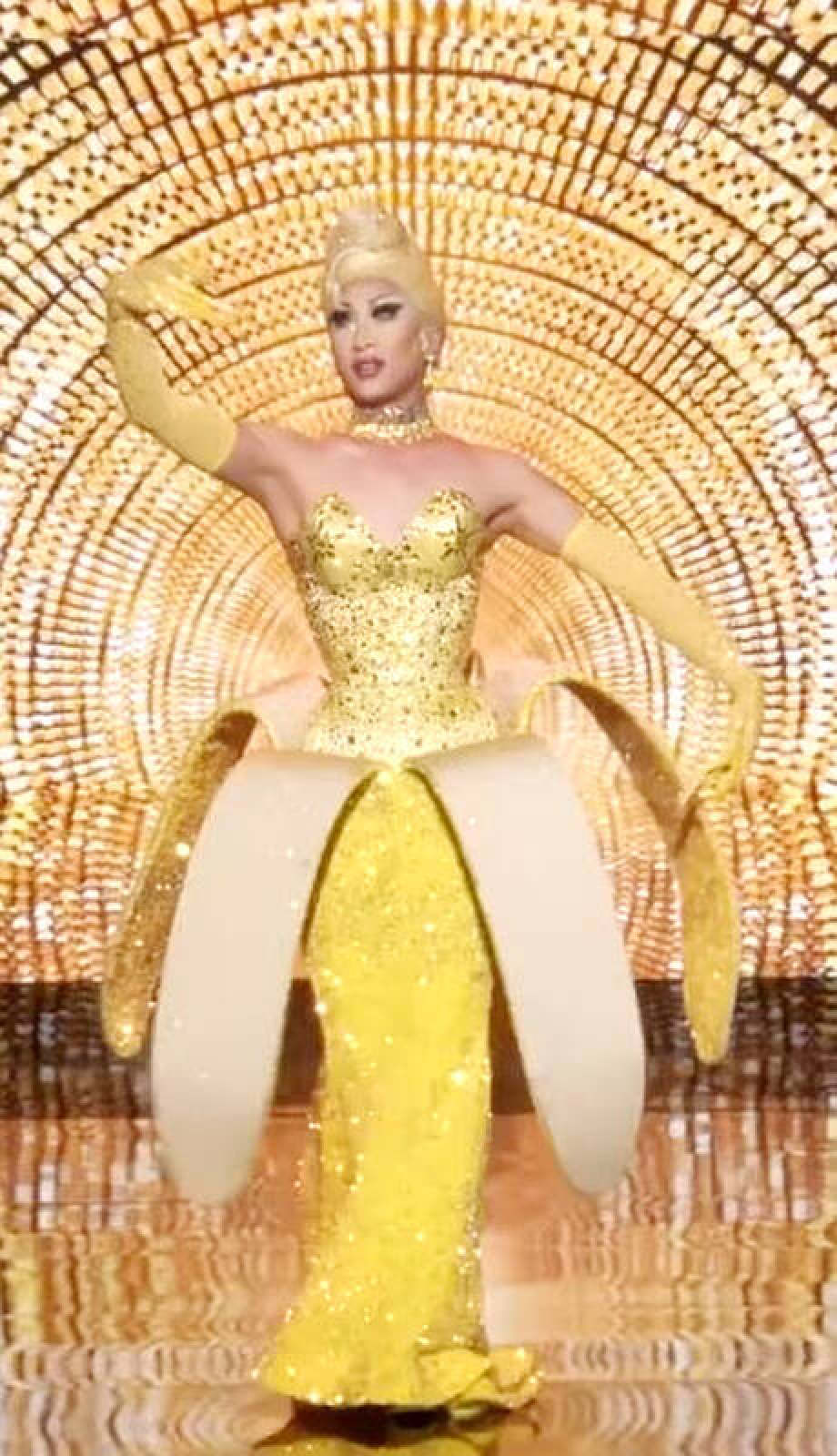
Nymphia Wind dedicated her Drag Race win to Taiwan. Photo: Instagram/@66wind99

In late October, Taipei will host the Taiwan Pride parade, the largest gay pride event in East Asia.

On October 26, as part of the festivities, Chang will organise another large drag queen party featuring Nymphia Wind, along with others from RuPaul’s Drag Race. The other attendees will include Kim Chi, the first Korean-American contestant on the show, as well as Filipino-American Manila Luzon.

Taipei’s Popcorn will perform on June 28 with the drag troupe The Haus of Dimensions during a screening of the 1927 Chinese horror film The Cave of the Silken Web, and will collaborate with the Yilan Traditional Arts Centre on October 5.

“With this experience, we are more confident in organising larger events in the future so that more people can personally experience the charm of drag queen performances.”

Return to Shenzhen

In November of 2023, during a trip to Hong Kong, I returned to Shenzhen within mainland (PRC) China. It had been many years since I last crossed the bamboo curtain and I knew not what I would find…

Review: An American Bum in China

https://chajournal.blog/2020/03/07/american-bum

[REVIEW] “A PERPETUAL HARD-LUCK CASE: AN AMERICAN BUM IN CHINA” BY RAY HECHT

{This review is part of Issue 46 (March/April 2020) of Cha.}

Tom Carter, An American Bum in China: Featuring the Bubblingly Brilliant Escapades of Expatriate Matthew Evans, Camphor Press, 2019. 132 pgs.

An-American-Bum-in-China-cover-1113x1800-917x1483

“Disparate as they sounded back then, however, I realize now that the arc of his adventures share the same timeless threads that, throughout world history, have driven other immigrants, expatriates, and refugees to the United States, only in reverse. His singular story has all the makings of an un-American folk tale…”

So author Tom Carter tells the story of his friend Matthew Evans, a perpetual hard-luck case who might just be the oddest expatriate you’ve ever heard of (and if you’ve been around a good number of expats, that’s saying a lot). The full title of this tome is An American Bum in China: Featuring the Bumblingly Brilliant Escapades of Expatriate Matthew Evans, and it is a fitting title indeed.

Evans’s tale begins in the small town of Muscatine, Iowa—where Xi Jinping actually visited in 2012. The comparisons of rural America to rural China are vivid and foster much conversation. In a way that makes it only natural that such a person would be driven to Shanghai and elsewhere as he seeks a better life. Spoiler alert, he never does get that better life.

He does try. Sort of. As he drifts from one town to another, somehow surviving while apparently making no money, it’s not always clear how bumblingly brilliant the man’s so-called escapades may be. The lingering question is never fully answered: Is he an idiot savant or just a slightly-luckier-than-average idiot? In this sense, there are several ways to interpret the book.

Either way, Evans most consistent trait is that he takes it all in strides. “Like everything else that had happened to him in life, from leukemia to being deported, Evans took his dismissal stolidly and as a matter of course.” That just about sums it up best.

Within this slim tome, we are quickly taken on this man’s journey around the world. First, he pushes himself to run away from his controlling mother’s shadow, even as she dismissed the “commies” in China. Usually, he does this by way of spending his loving grandmother’s money. Also, he gets diagnosed with cancer.

He arrives in China after some QQ flirtations. His first relationship is never consummated due to his terrible bad luck of hitting on a lesbian, but he keeps trying. He then gets his first kiss and the book is even so personal as to describe how he loses his virginity. Time after time, he bumbles and messes everything up. He gets deported a couple of times, returns, orders up a fake degree most unethically, and so on, and so on.

To be fair, it wouldn’t be particularly remarkable to describe an American who teaches English abroad. That sort of expat memoir has been done many, many times and wouldn’t make for much of an engaging book. Rather, An American Bum is more unique, and full of legitimate surprises. For example, somehow Evans actually briefly becomes a “professor” at not one but two prestigious Chinese universities!

Matthew Evans is certainly interesting, and at the same time, not necessarily likeable. He becomes increasingly hard to empathise with, specifically when it comes to how he obliviously treats his female university students. There’s no question this poor fellow was not equipped with the skills necessary to make it in the world, whether in the States or in China. But he does keep making it worse for himself and most readers will probably not quite root for him.

In the end, whether one approves of his character or not, it certainly can’t be denied that he keeps one’s interest and I suppose that makes this a successful book.

Author Tom Carter began as a photographer, and there is a large visual element to the book featuring illustrator John Dobson’s additions. The black & white artistic depictions round out the story nicely, leaving an impression that resonates with the scenes described. If it was only prose, the book would frankly be too short at only about one hundred pages.

Eventually, the narrative rounds out with a Burmese misadventure involving several illegal uses of a passport, and finally jail time and outright homelessness. At last, Evans is permanently exiled from China. Justifiably so, it must be said. He arrives in Hong Kong as many such people do, and he is unable to even make it in Chungking Mansions. However, it turns out that there were other options at the time. The year is 2014 and he finds himself teargassed during the Umbrella Movement.

It happens to be a very poignant time to tell this particular story right now. In Evans’s own way, he joins the encampments purely out of personal convenience while undeservingly receiving credit for his brave political stance. That’s one way to witness history in the making.

The book is certainly a page-turner. Carter philosophises from time to time, speculating on what it all means. An American Bum can be very introspective, analysing the state of the West and China and modern societies. It does feel bigger than merely describing one random person’s misadventures. It’s a bit difficult to sum up these musings, but there are things here worth thinking about. Where does a man like Matthew Evans belong? In just what kind of culture would he be able to live a life worth living?

The book is over before you know it, leaving the reader with a strange yet authentic taste of life in the margins of expathood. Honestly, the book may not be for everyone and certain people will be offended and turned off by Matthew Evans. Whether one reads with feelings of compassion and empathy, or just can’t look away from the train wreck, one way or another, it will definitely be worth the read for some people.

PROFESSIONAL EDITING SERVICES

As a longtime author and editor, I’d like to offer my services in the fields editing, copyediting, and proofreading. A detailed summary of my experience and rates are below. Feel free to click on the links for further information.

For journalism writing samples, I have worked extensively at the Shenzhen Daily, South China’s only daily English-language newspaper. I have also been published a number of times by the reputable Wall Street Journal.

In 2016, my novel South China Morning Blues was released by Hong Kong-based publisher Blacksmith Books. I have also had fiction published by TWG Press in Taiwan.

As for my credentials, I have enrolled in the University of California San Diego’s advanced Copyediting Certificate program.

I have since worked with a number of high-profile clients on a regular basis, including China-based translation companies CEPIEC (China Educational Publications Import & Export Corporation Ltd.) as well as Grouphorse. I have also contributed education material for Taiwan’s AMC.

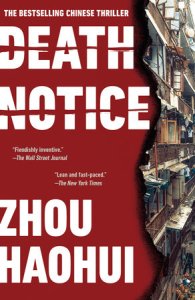
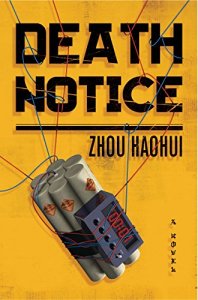
My most notable editing work may be the novel Death Notice by Zhou Haohui, which was published in the United States by Penguin Random House.

My starting rates are as follows for these currencies:

.03 USD per word (United States)
.25 CNY per word (China, PRC)
1 NTD per word (Taiwan, ROC)

Please contact me via email at rayhecht@gmail.com for any inquiries.

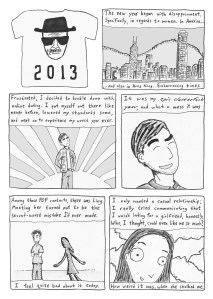
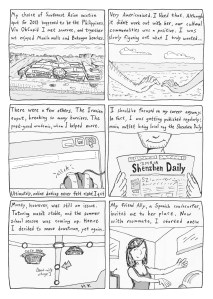
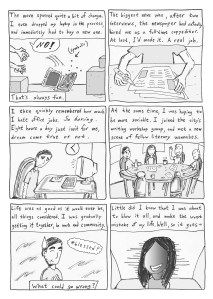
2013: My epic clusterfuck drama year

Previous: 2011 to 2012: Turning thirty, weddings, and the end of the world

Read all at Webtoons.com

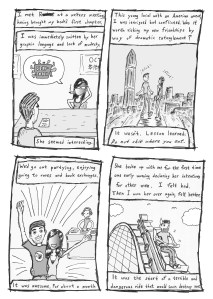
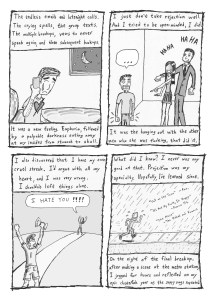
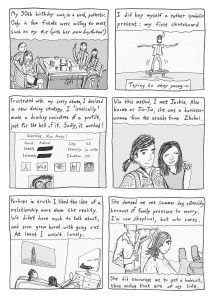
2013 – My epic clusterfuck drama year: It should have been nice, I joined a writing group ad even got a newspaper job. But endless relationship drama kinda’ ruined everything, such as when I got a stalker and also some of that all-encompassing despair of heartache…

2011 – 2012: Growing up, turning 30, weddings, and the end of the world

Previous: 2009 to 2010  The Expat Life: A new decade living it up in Shenzhen, China 

Read all at Webtoons.com

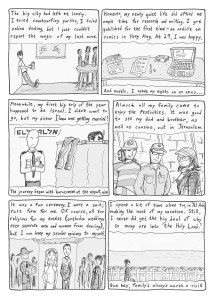
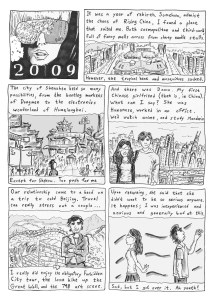
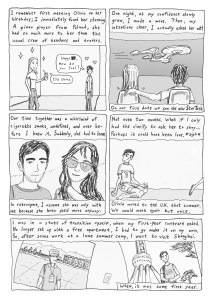
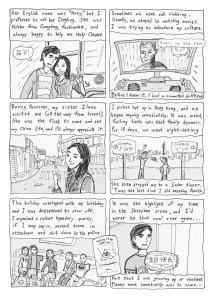
2011 and 2012, beginning with my Guangzhou year. Didn’t work out well, so I returned to Shenzhen. Meanwhile so much travel, all over Southeast Asia and returns to Israel and Japan. Plus foreshadowing in Taiwan, and Hipster Pacific Northwest too. And I go to both my sister’s wedding and my best friend’s wedding. Growing up!


2009 – 2010 comics: Experiencing the new decade as an expat in China

Previous: 2007 to 2008 How Burning Man and psychedelics led me to China

Read all at Webtoons.com

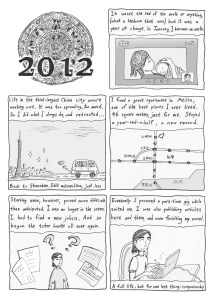
2009 and 2010, the beginnings of a new decade, as I become acclimated to life in Shenzhen/Hong Kong and have fun traveling in Southeast Asia (and America), and family stuff… plus I start dating somewhat regularly. Crazy, right?


Death Notice: A Novel

There’s a new Chinese novel, now translated to English, that has been getting a lot of buzz from Western media lately. I am proud to say that I was a part of the English-language editing process and helped bring this story into fruition:


Death Notice is by bestselling author Zhou Haohui–translated by Zac Haluza and published by Doubleday. It’s a thrilling mystery story about a vigilante-killer terrorizing the police in the city Chengdu. The twists and turns make for a great ride, and is an excellent read for any fans of Hong Kong police dramas (which is appropriate, as the upcoming film adaptation will actually take place in Hong Kong). Check it out via Amazon or your local bookstore.

I’m very honored that the translation company China Educational Publications Import & Export Corporation/CEPIEC, the same who brought famed science fiction trilogy The Three-Body Problem to the world, approached me so that I could add my take to the drafting process. Recently published by Doubleday, I hope that a new round of readers will experience what I did when I delved into the journey of Eumenides and his foes…

And, wait until you see what happens when the sequel is published next year!

Below are some links of articles about the series and the author. The New York Times being particularly impressive, also note NPR and China Daily for further perspectives.


Good readings to all–


https://www.npr.org/2018/06/09/613466287/in-death-notice-the-thrills-dont-quite-translate


http://www.chinadaily.com.cn/a/201806/10/WS5b1c87bfa31001b82571f209.html

Video: June 4 Candlelight Vigil in Hong Kong

I recently went to Hong Kong, and happened to be there during the June 4 protests commemorating the Tiananmen Square Massacre from 1989.

I admire the spirit of dissent in Hong Kong, one of the only places in China were it is possible, and the event was powerful. Over a hundred thousand attendees gathered in Victoria Park and it was an honor for me to be among them.

Here is a video from my humble perspective:

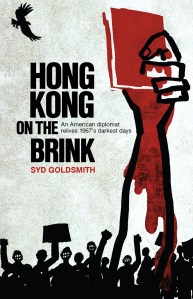
Review: Hong Kong on the Brink

Hong Kong on the Brink is a memoir by an American diplomat who writes about Hong Kong in the 1960s during the tumultuous days of the Cultural Revolution. It’s a personal story with historical relevance.

The author, Syd Goldsmith, is not known as a particularly high-level diplomat. Yet his take as a Cantonese speaker at the American Consulate gives him a window into the inner workings of the time which makes this book about far more than just granting visas. With over fifty chapters, it covers a wide range showcasing both day-to-day life as well as complex international politics.

Goldsmith starts out with his backstory, explaining just how he became a Foreign Service Officer and found himself sent to Hong Kong in 1965. With an exceptional education, he decided to forego the business world and instead enter government service. He also delves into his personal life, his marriage and the birth of his first child, although those topics often seem to warrant less attention than the focus on his career (which he even admits in some critically self-reflective parts).

After a thorough screening process, he is sent to Hong Kong. It was not his first choice, but he soon starts to embrace it and studies Cantonese seriously. In the chapter entitled ‘The Tricks They Try,’ the book gets entertaining with an overview of the scams that immigrants utilized in the hopes of coming to the United States. Goldsmith always writes with no judgment. As a diplomat, he also gets to observe the high life of the rich and powerful. For the first third of the book all seems well even with the backdrop of Maoist China and the Vietnam War… Then, by chapter fifteen it is explained to him that “there was real trouble just below Hong Kong’s appearance of calm.”

The crux of the book is the communist riots of the year 1965, which is often foreshadowed until it finally explodes in the climax of the narrative.

The title of the chapter ‘The Labor Strife Boils Over’ shows an example of how  economics caused much unrest in the British colony. In the following chapters it is noted how many of Mao’s infamous Little Red Books have taken over the streets. At first it may not be judged as a serious threat, but the reader can feel the rising tension.

Meanwhile, various chapters jump from one topic to another, from briefly meeting Richard Nixon to an expose of Macau. Eventually, the author becomes a sort of CIA analyst as he meets with Cold War agents to discuss what may come. Not to mention a source for journalists as the resident expert.

Goldsmith can be downright poetic at times. “It strikes me that fright can sear memory, etching it deeply into grooves,” he muses. “A needle will play it like a 33-rpm record, over and over for a lifetime. But the trauma can also reduce memory to ashes.”

I learned a lot in reading this book. There were many complicated factors that tied colonial Hong Kong to the People’s Republic of China even during the heights of the Cold War. For example, even under the threat of a possible military attack they still hoped to be able to trade for water with officials across the border. But the book is still from the subjective perspective of one man, and not meant to be a complete history of all things Hong Kong during that decade. Still, a very informative perspective indeed.

Fortunately, cooler heads did prevail in the end although the city went through very challenging times. Syd Goldsmith made it. The extremism of the Cultural Revolution, as we all know, never did fully overtake Hong Kong. The cost of freedom was, however, rather high as the British ultimately seized control.

“By early 1968 Hong Kong’s emergency was pretty much behind me,” the author writers at the end of the book, as he reflects upon what he witnessed and survived.

Hong Kong on the Brink (appropriately subtitled An American diplomat relives 1967’s darkest days) is not introductory and is only recommended for those already familiar with Hong Kong and modern Chinese history. Hong Kong expats particularly curious would be most interested. For a certain kind of reader, this an excellent read.

Published by Blacksmith Books, the book is available on Amazon and at bookstores within the former colony and current special administrative region.

[Review] Hong Kong in the Fifties: John Saeki’s The Tiger Hunters of Tai O

t's avatarCha

{Written by Ray Hecht, this review is part of the “Writing Hong Kong” Issue (December 2017) of Cha.} {Return to Cha Review of Books and Films}

John Saeki, The Tiger Hunters of Tai O, Blacksmith Books, 2017. 304 pgs.

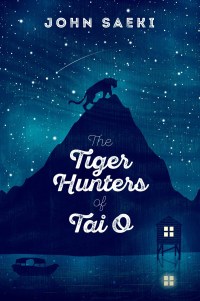
tiger-hunters-of-tai-o_800The Tiger Hunters of Tai O is a new historical novel with a unique perspective. Author John Saeki paints a colourful portrait of Hong Kong in the 1950s, capturing the spirit of the times in this page-turning police thriller. Sometimes hilarious, and sometimes deadly serious, most readers should be fascinated by the intrigue and politics of the era. Though Hong Kong—especially Tai O—has certainly changed over the past half century, locals will find this world a familiar place even while discovering new surprises and secrets uncovered about the region.


The plot ostensibly revolves around a Eurasian police officer named Simon Lee who is investigating suspicious tiger attacks. The…

View original post 786 more words

Eating Smoke: review of memoir, and audio


Chris Thrall’s memoir Eating Smoke (sensationally subtitled One Man’s Descent Into Drug Psychosis In Hong Kong’s Triad Heartland) was published in 2011 but resparked buzz last year when the book was adapted into a radio dramatization for Hong Kong’s RTHK station.

The memoir is about Thrall’s time in Hong Kong in the 90s when he found himself addicted to ice—that is, methamphetamine—and indeed written in the style one would expect while on speed.

It is a dazzling ride, full of flowing neon and inebriation. First, the British Royal Marine suddenly quits his military position and moves abroad with dreams of making it big in the business world. Before he knows it, his business fails and he has to start hustling. The bulk of the story consists of jumping from one sketchy employment opportunity to the next, constantly maneuvering through new scams which grow increasingly desperate. He stays in the infamous Chungking Mansions, then hangs out among the hippie scene on Lamma Island where it starts out innocently enough with some strong weed, and ends up in the seediest parts of Wan Chai addicted to crystal.

“Quiss” Thrall meets a seemingly never-ending parade of colorful characters who live on the very edge of Hong Kong society, the caliber getting lower and lower as he is dragged down to the dregs. But there are so many he meets that it becomes difficult for the reader to follow what’s going on after a while.

The subtitle of the book declares his descent into the “Triad Heartland”, but the part when he becomes a doorman for a Triad-connected club is just one section among many, which comes rather late in the book. The stakes do get higher as threats of violence and death race towards the climax.

The radio drama, an audiobook really, overall can be quite superior to the book because as an edited abridged version it can get to the point quickly and highlight the best sections. Many odd jobs are skipped over in order to focus on the Triad and drug-crazed scenes. I did miss some, such as the English-teaching episode, although that is a story that has been told before. The unique nature of Thrall’s perspective is worth focusing on, though my personal favorite was the weekend-long DJing gig in China which unfortunately didn’t make it to the radio for some reason.

The narration from RTHK is excellent, with acting that can be funny when necessary as well as solemn, and always powerful. One noted part details the time a woman passed out due to a possible overdose at the club, Thrall calls an ambulance but the boss coldly stated he just wanted her thrown out. Stories like these are best listened to and not only read, so be sure to download the free podcasts…

For the most part, Thrall remains likable through it all until perhaps the finale of the memoir when he descends deeper into madness. His greatest talent is his ability to get by in Cantonese, which grants him a window into an authentic world which most foreigners never get to see. Eating Smoke is a fascinating insight into 1990s Hong Kong that readers and listeners from all over the world would do well to appreciate.


The radio drama is available free as a downloadable podcast on the RTHK website here: http://podcast.rthk.hk/podcast/item_all.php?pid=1130

Eating Smoke is published by Blacksmith Books, and available at Hong Kong bookstores and Amazon.

Review: The 100-Pound Gangster – a crime story memoir

Well, I have mixed feelings on this.

Published by Signal 8 Press, The 100-Pound Gangster is a remarkable memoir by former gangbanger Henry Lin. Throughout this quick read, the author details his unique Chinese-American experiences growing up in the streets of Chinatown in San Francisco, which were surprisingly rough.

Most are familiar with Chinatown as a touristy place, but specifically back in the 1990s there was serious criminal activity going on at night after all the tourists left.

This book is not your typical Chinese memoir.

The tale is very personal, written informally, and starts out with Lin’s bitter memories about his home family life aside his unstable mother and hateful older brother. Meanwhile, he had to fight against Asian stereotypes and learned right from the start to be tough as the way to survive.

The best parts of the book tell the lesser-know stories and histories of Chinese organized crime, the Triads. From the Jackson Boys to Wo Hop To, it is certainly fascinating. However, even if one starts out emphasizing with the plights of the author the book later suffers due to his increasingly unlikeable nature. True, the narrator grew up around fighting and can’t entire help that violence is always around. It starts with selling fireworks as a child, and then gets far worse… But the way Lin embraces violence—particularly against women—makes it difficult to care for him even when he apparently repents by the end. There is the disturbing focus on guns, for example, and his proximity to murder. Overall, it’s still very much worth the read to learn about this underworld.

Lin’s story gets more interesting as he rises higher and discovers family connections. There always seems to be an Uncle around to give him the leg up, and he eventually ends up in Hong Kong where he meets a Grandfather who is both high-level Triad and possibly a spy.

The story jumps around in time, then going backwards to describe his time locked up in juvie, a place with more violence where he befriends convicted killers. At sixteen, he is locked up for a stint that lasts years. During his longest time behind bars, the young Lin finally starts to reform as he finds hope by writing for prison magazine, and later he’s lucky enough to be selected for a troubled youth school. When he is let out, older and wiser but still quite young, he gets a new start and there are lessons learned which does improve his character.

Yet there is always hustling, or a “one last big heist” crazy story–it seems he can’t get away from money-making schemes. The marijuana game at least is relatively tame compared to the more hardcore gang activities of his peers, and Lin knows this. A large portion of his writing is devoted to how he feels for his former comrades-in-arms caught up in bigger messes, but that may not be something most readers will get. Even if considering The 100-Pound Gangster to be a true crime nonfiction book, it lacks the objectivity for that genre. And so the reader is left conflicted about the quality of the book.

Another issue is that there is a brief mention of romantic elements but only barely glossed over. I would have liked to read more about Lin’s private life which would make him more well-rounded, since this is supposed to be a memoir. But Lin priorities in his writing are clear.

In the final chapter, there is much moralizing as he reflects and wraps it all up. To be honest, the moralizing doesn’t ring true after all reading all that he previously went through. One never gets the sense, despite his intelligence and potential for good, that he truly is that much of a decent person.

That said, Henry Lin is certainly has an incredible story to tell and he does so with brutal honesty. It wouldn’t be an interesting crime tell-all if he wasn’t who he was.

In any case, this is some memoir.


The 100-Pound Gangster is available on Amazon

Reflections on the year 2016

otuynui0mjbfmjqxnzcwmki5muq6yzjimddjzdm1zwm5zju3mmm1ztliodrlngu0zjm3odi6ojo6oja

2016 was, to say the least, a tumultuous year.

It’s already something of a meme to say that 2016 sucks so much. And yeah, that’s largely true specifically in the political sense anyway.

However, in my personal life I can definitely declare that though it’s been hard I can claim lot of positive growth over the past year. I traveled the world, I promoted some writing, I published here and there, wrote another book, and I even moved in with my girlfriend!

There has been a lot on this very blog worth share. I reviewed, I interviewed. And although at this stage it’s hard to say if it will lead anywhere, one of my personal productive favorites of the year was starting anew on my hobby of drawing silly little comics.

In thinking over this arbitrary marking of the Earth going around the sun that we all mark on our calendars, I have thought about it most nostalgically and created a list of links below. Here, a few posts that stand out to me to sum up the crazy intensities of this most epically year:


In February, right after Chinese New Year, I was lucky enough to be detained by the Chinese police after attending an unlicensed rave party. I tested negative for drugs and was soon released, while sadly others I knew tested positive, leaving me with the opportunity to write what proved to be my most popular piece of writing ever. The guys over at Reddit China were somewhat opinionated. But I had my say.

Hey it even led to a piece I wrote for the Wall Street Journal.


With my novel South China Morning Blues published — from Blacksmith Books, Hong Kong — in late 2015, I was very focused on promoting the book all over Shenzhen (and Guangzhou, and Hong Kong) over the beginning of the following year and on. It was a big part of my job for months on end. The highlight was definitely in March when I went to both Beijing and Chengdu for a little get-together known as the Bookworm Literary Festival.


The travel it did continue. I visited the great country/not country of Taiwan as part of my girlfriend Bronwen’s art residency in May. Absolutely wonderful place. There will be more on Taiwan come the next new year.

And in June it was time to go to Israel for the bi-annual visiting of the family. What a trip I met some little nieces and nephews, saw my parents, had emotions, all the while some legal complications came up and had to be dealt with.


One event that really stood out in the summer was the art exhibition by Bronwen and some other locally sourced artists over at Sin Sin Fine Art in Hong Kong. Great work. I happened to write an article about it.


At last, the dreaded subject of American politics. Over the second half of 2016, I carried on with my life and moved and wrote and promoted, meanwhile in America (totally affecting the rest of the world) it all went well and truly insane. I became rather consumed in following the politics of the horrible election cycle. Finally, of all things, I was forced to start writing political columns. The anxieties of the day before, then November’s horrific results, and a touch of conspiracy theory commentary.

Sadly, at this rate I will probably have yet more to say in 2017. A lot more. Despite the apocalyptic scenarios at hand, I’ll try to be optimistic about the new year. What’s certainly true is that nobody knows what will happen next.


Thus was the year. I and you survived. Thanks for paying attention to me and my humble perspective. On a concluding note, let us mourn the actual concept of truth and facts with this cartoon by Tom Tomorrow… RIP truth~

Good luck to 2017, we’ll need it!

tmw2016-12-21color

Exhibition of David Bowie’s private art collection

On my last trip to Hong Kong, I was lucky enough to go to the exhibition from the late David Bowie’s private art collection. It was at Sotheby’s HK location at Pacific Place near the Admiralty area.

20161013_162753

Although I didn’t auction any of the pieces, it was a great experience to be able to witness works of art that Bowie had personally owned!

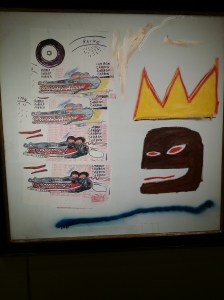
Really fascinating works. The man had an incredible aesthetic, as we all know. The Basquiat pieces particularly stood out:

20161013_163532 20161013_164105

And there was even a work of art that Bowie collaborated on with Damien Hirst:

20161013_164030

More information can be found here: http://www.sothebys.com/en/news-video/blogs/all-blogs/bowie-collector/2016/10/bowie-collector-highlights-on-view-in-hong-kong.html

Unfortunately, the exhibition was only on for one week and I believe it has since moved to London. If you happen to get the chance to see it there, I highly recommend it.

Lastly, do please check out this slideshow:

This slideshow requires JavaScript.