Manga 漫画 マンガ!

Patriot that I am, I have always been a great fan of American comics — and by association that goes for various British authors as well. I grew up on superheroes primarily, though of course comics is a medium not a genre and there’s no reason I can’t read more literary and independent series along with the flying adolescent fantasies.

However, so far I admit to having been too Western-centric. There happens to be a whole other country with a tremendous comics tradition that dwarfs the whole of North America and Europe together. I speak of course, of that mysterious land of Japan.


I read:
Goodreads shelf: manga


The Eastern style is so different, and in many ways superior to the assembly-line system of writers, artists, inker and colorist . The cartoonist in Japan is almost always both author and illustrator, the he or she is helped by assistants. Black and white except for special occasions. Adaptations, usually made famous in anime productions, are word-for-word and shot-by-shot remakes extremely faithful to the source material. Comics being taken seriously by the literary world is fairly recent in the West, yet Japan embraced adult comics right after the post-war period as an efficient form of entertainment when they couldn’t afford to make films. They are produced quickly, read fast, and often stories come into hundreds of chapters (dozens of graphic novel volumes) for a story to be patiently completed by the auteur.

I recommend the brilliant essay/graphic novel Understanding Comics by Scott McCloud to delve deeply into the nature of East vs. West art forms, upon the subjects of minimalism and respect for words & pictures at once as well as studies on neurological effects of cartoons.


Let’s start with some history. Best place to begin is with Osamu Tezuka, the God of Manga. An insanely-prolific writer and artist, the mangaka drew over 100,000 pages in his lifetime! Originally inspired by Disney stylings, he soon found his own voice in the 1950s and 60s. Funny how Disney later ripped off his Kimba the White Lion with a certain lion king…

I came late to the party, but did all I could to read his best works in my late teens and early twenties in the 90s and 2000s.

You may know the character of Astro Boy.

Astro_Boy-08

Tezuka was originally trained as a doctor before he found his artistic calling, and his medical drama Black Jack comes highly recommended.

Black_Jack_manga_vol_1

There was also Adolf, about World War II. Buddha, biography of the holy one. Phoenix, an epic tale that bounced from ancient Japanese history to the far future.

Here’s the Goodreads shelf for more:
Tezuka

Now, I wasn’t watching the Astro Boy cartoon in the 1960s. I got into anime in the 90s like everybody else starting with a VHS tape of Akira.

I was way too young to be watching a movie like that, and I was blown away. The most badass cyberpunk film ever made, still awesome today.

“Neo-Tokyo is about to explode.”

AKIRA_(1988_poster)

The comic was even better. While the film had the title character — the government pscychic test subject Akira — only as brain tissue in jars, the comic had the super child reborn. And, when Neo-Tokyo was nuked the film ended. That was only half of the comics series. Then it continued twice as long with in the post-apocalyptic wasteland of World War IV. With incredibly detailed art work by Katsuhiro Otomo, who also directed the film.


There were higher standards back then. When manga really blew up in the 2000s, we learned that Japan produces a lot of crap as well. But in the 90s only the best of the best was worth translating into English. Dark Horse Comics in particular was the quality publishing company of record.

Ghost in the Shell, by Masamune Shirow, took hard science fiction to a whole other level.
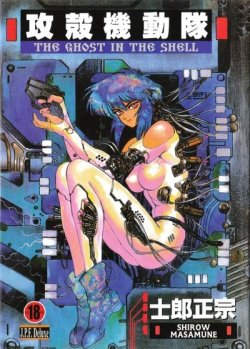
Ghost_in_the_Shell

Masamune Shirow was never very prolific, but his books had a level of intricacy and know-how never before seen. Appleseed was more his opus, but Ghost in the Shell became his main franchise still going strong today. I enjoyed Black Magic and Orion equally.


But it wasn’t all seriousness and mindfuck scifi. A lot of these comics were more fun. Take the comics published by Viz:

I remember me and my sister bonding over Ranma, the gender-bending comedy of a martial artist who turns into a girl, with bunches of supporting characters who turned to animals. Challenging cisgender heteronormalcy before it was cool.
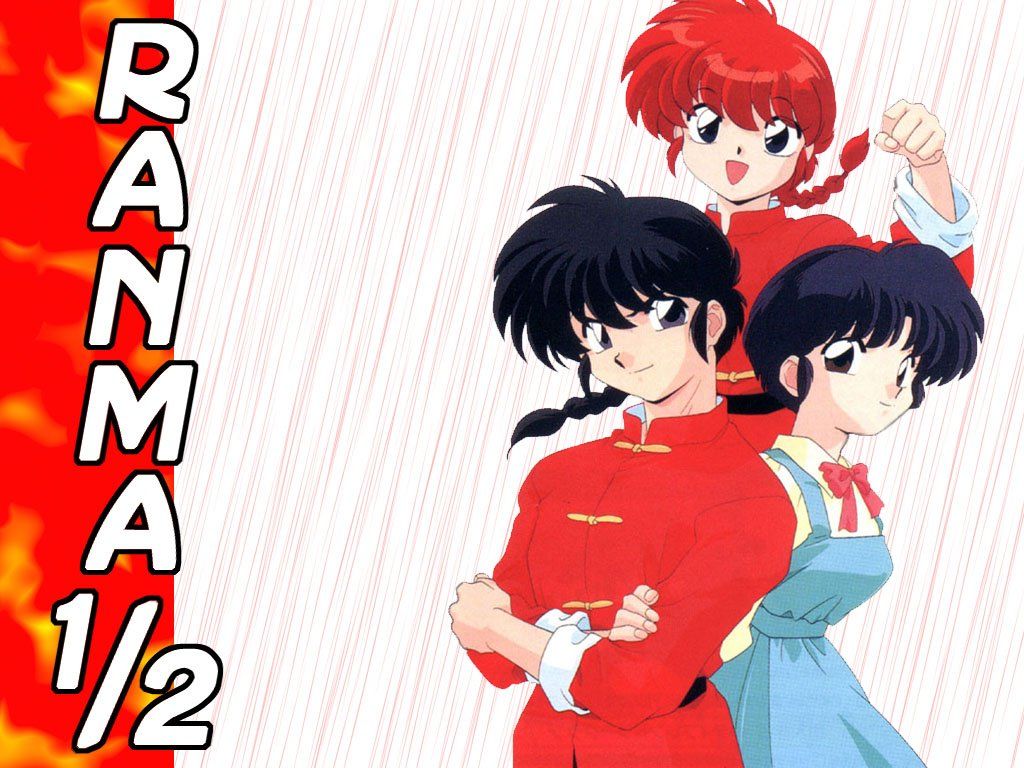
ranma-1_2-wallpaper

I wasn’t as into Sailor Moon as my sister, and most Shōjo is frankly crap. It was the works by top female mangaka Rumiko Takahashi that were so funny and so creative. I went further back, and discovered old Urusei Yatsura stories from the 70s about an alien demoness named Lum and her pervert ‘boyfriend.’

“Dah-ling!”

ds_front

I never did get into Inuyasha though.

Continue reading

Same Bat-Time! Same Bat-Blog!

Previously: Superman!

00

Daaa-daaaaa-DA-DAAAA! Daaaa-daaa-daa-daaaaa-daaaaaaaa….

Finally, everyone’s favorite superhero. Though I was never the greatest Batman fan in the world, what with all those more interesting escapist science fiction characters out there, I have read a lot of Batman over the years and it would behoove me to not elaborate.

He is central to the DC Universe, the resident hypercompetent genius who always has a plan to save the day. It’s not really ironic anymore that he’s beats everyone else with super powers, we get it already, and Batman is super smart and super cool. He does, obviously, have the best villains in all comics.

Bob Kane created Batman in 1939, though really Bill Foster contributed much of the mythos, and he was quite dark at first. Soon however, came the whimsical wiles of the Golden Age to the Silver Age and he got pretty ridiculous. He’s bounced around from camp to serious over the years, with various incarnations acted by Adam West and directed by Tim Burton.

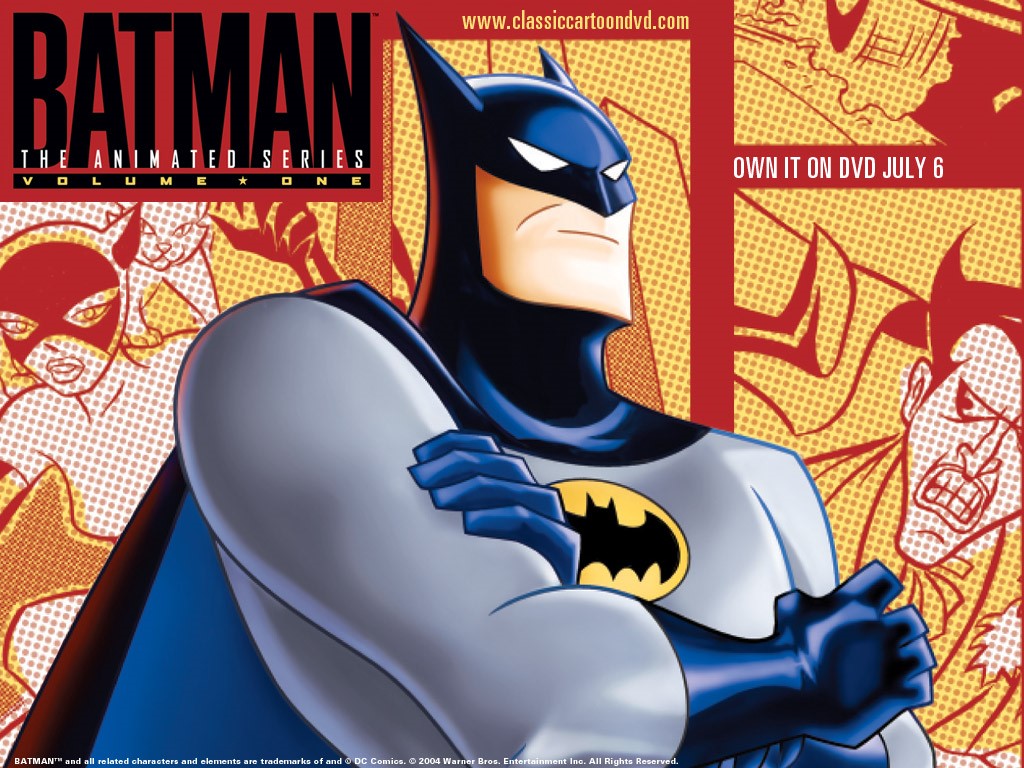
My favorite incarnation ever is still the brilliant Animated Series, produced by Bruce Tim and Paul Dini and expertly voiced by Kevin Conroy. Mr. Conroy remains the absolute best Batman actor of all time, and I’ll fight anyone who says different.

0

Back in the world of comics, Batman had a resurgence in the 1970s as writer Dennis O’Neil and and classic artist Neal Adams took Batman to his darker roots. They also had a James Bond sort of vibe, has he traveled the world fighting Ra’s al Ghul.

It wasn’t until 1986 when Frank Miller — of pre-Sin City fame — came along that things went real ‘grim n gritty’ dark. The Dark Knight Returns, still considered one of the greatest graphic novels ever, was about a futuristic Bruce Wayne coming out of retirement and fighting a corrupt Gotham City. Then he fought a corrupt United States government, as Superman was an asshole stooge of Ronald Reagan. It almost comes across as satire today (indeed, Miller’s later work cannot be taken seriously at all) but it was just so amazing and has aged wonderfully. Reread it today, I dare ya, it’s epic.

1

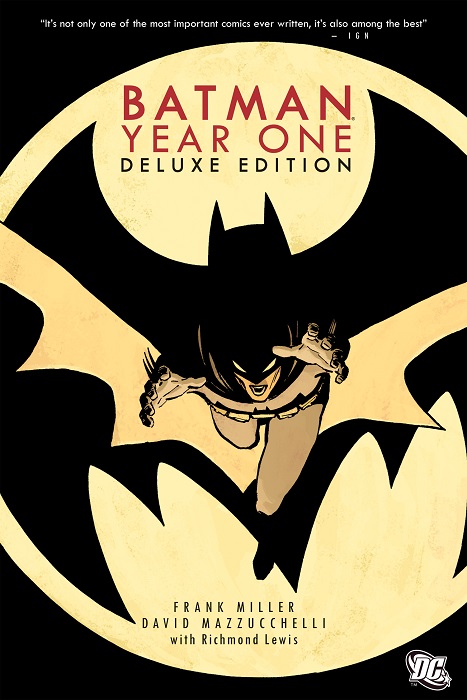
Frank Miller returned for a reboot after the Crisis on Infinite Earths in 1987, with Batman: Year One. Miller only wrote, and David Mazzucchelli drew. It was a fine story, a bit short for my tastes without a proper ending. Yet, modern Batman wouldn’t be Batman without that tale.

2

1988 the mainstay Batman titles were still normal superhero comics, but they needed more tension. DC decided to hold a vote to kill the unpopular second Robin, Jason Todd. The original Dick Grayson had become Nightwing over in New Teen Titans. It was a gimmick that added real tragedy to the DC Universe, as the Joker beat him to death and Batman could forever remain guilty. Joker being a middle-eastern official with diplomatic immunity at the time, a surprising twist. Yet, it wasn’t the grim gritty kind of thing, as the story was firmly set in the science fictional universe with Superman coming to help. Death in the Family, written by Jim Starlin.

Don’t worry, Robin II came back to life eventually.

3

The followup crossover with New Teen Titans was also firmly set in the greater DC Universe, and then introduced the third Robin Tim Drake. More on Batman’s various partners shortly.

There were many a-Batman crossover throughout theyears. Like Marvel’s X-Men, the most popular property gets to milk the readers as much as possible.

That and 90s excess, and you have the worst of it: Knightfall. In 1993 Bane was introduced, yes like the movie, and the prison-raised South American (not Germanic) hatched a devious plan to BREAK the BAT. He let loose Arkham Asylum and then when the caped crusader was at his worst he broke his friggin back. All this just as Superman was dying mind you, it was the thing back then. With Bruce Wayne crippled, the antihero Azrael armored up and took charge of the cape and cowl. Sooner than later things were back to the status quo.

4

In 1999, standards were higher and the crossover No Man’s Land fared much better. Gotham City had been destroyed by an earthquake and the government had given up, which led to total anarchy. Fun times. Later, Lex Luthor would rebuild it all and it set him up for his presidential bid.

5

I always liked when Batman faced wits with Lex Luthor and Superman battled the Joker.

Continue reading

Superman!

Prev: DC – 80s

Goodreads Shelf: Superman

If any one character deserves a really long solo post, it is Superman. That is, not just comic book/superhero characters. Any one character in all American fiction, period.

Most would agree that Superman is very important. However, he hasn’t gotten the movies he deserves (at least since the late 70s). Hasn’t been a top seller in ages. And everyone likes Batman better.

Don’t get me wrong, I love love love Batman. But I always felt resentful that everyone thinks the caped crusader is so much cooler than Superman. I prefer the Man of Steel out of sheer spite.

Seriously, I am a sincere fan. I like escapism, science fiction, exploding planets, time travel, that’s what comics are all about to me. It’s funny Batman is more grounded in the real world, yet he’s in the Justice League with aliens and mermen. I will admit one discrepancy: Superman needs Batman as part of his mythos but the other way around isn’t necessary. Batman can be in both worlds. More on Batman later.

First of all, let’s just admit that the superhero genre is supposed to be a bit corny. We’re talking about muscle men in skintight outfits saving the world from super-villains; it’s not meant to be gritty and realistic! That’s me. I find the literary quality comes from taking 1950s children’s stories and then somehow grounding them in plausible scenarios.

I like corny heroes. Captain America is my favorite Marvel superhero of all, and Cyclops is my favorite X-Men.

On Superman… Shall I start at beginning? In 1938 Jerry Seigel Joe Shuster created ushered in the superhero genre, a true American creation as valid as jazz, punk rock, and pop art. The metaphor is obvious in retrospect, the last son of the planet Krypton disguises himself as mild-mannered Clark Kent: He is the proverbial Jewish immigrant.

The Golden Age was the beginning. The Silver Age was totally weird and psychedelic. We’re all familiar with the films. Pre-Crisis Superman is classic, but he was a bit stiff. Too perfect, with only kryptonite as a weakness, he more than anyone needed a reboot.

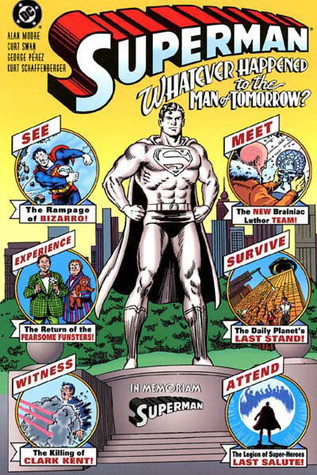
Before the Crisis, noted genius Alan Moore and iconic artist Curt Swan produced Whatever Happened to the Man of Tomorrow as this iteration’s last hurrah. Nostalgic yet serious at the same time, and nobody could write it like Moore. Goodbye, Kal-El.

“An imaginary story. Aren’t they all…?”

161275


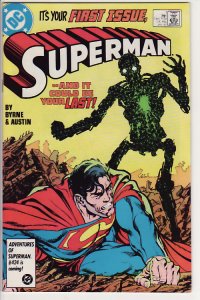
Then the Crisis happened. The previous “didn’t count”, or something. So came Marvel star John Byrne to do Superman his way. It wasn’t bad, but I preferred Byrne on team books like Fantastic Four. At least Clark Kent was three-dimensional. At least Lex Luthor was more formidable. New villains were introduced, but mostly it was just the start until the 90s Superman was to be fully fleshed out.

Sup1


Dan Jurgens was in charge by then. Louise Simonson of X-Men fame was a good writer as well. Lex Luthor was cloned and recloned — kryptonite poisoning you see — Kirby-esque Cadmus Labs was made integral, Maggie Sawyer of the Metropolis Special Crimes Unit, and Clark even revealed his secret identity to Lois Lane when he proposed. A lot was added to the backstory.

Things were looking up. Yet, with all that competition from Marvel with those big crossovers, DC had to do something drastic to get noticed. They wanted an event. Hence came Doomsday, and the pivotal Death of Superman event.

DeathOfSuperman1

Doomsday was a kickass villain. About damn time Superman faced more physical threats. Still, Doomsday had a rather simplistic motivation. He was mysterious and we later learned more, but the real point of the death was to introduce the Resurrection of Superman.

The_Return_of_Superman-1024x666

Superboy, the new clone. The Eradicator, a Kryptonian intelligence. Steel, a new DC hero of Justice League merit. And the badass looking Cyborg, whom of course turned out to be the villain. Then Superman came back to life, albeit with a mullet, and it was an epically great story unlike any other. We all have the fondest memories.


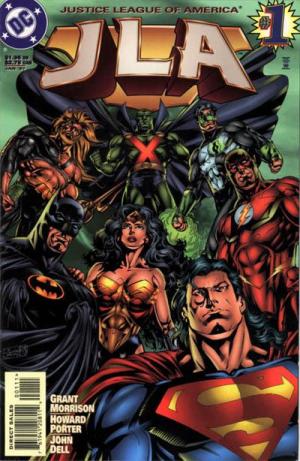
Over in the other side of the DC universe in the mid-90s, much was stalling. Meanwhile, the great Grant Morrison proposed that DC simply utilize the best they have and make the Justice League the premier team they were in the Silver Age. After doing away with the endless spinoff aspects, Mr. Morrison put in Superman, Batman, Wonder Woman, Flash, Green Lantern, Aquaman, and the Martain Manhunter and made it as awesome as possible. Unfortunately, it all started during the mullet era.

JLA_1

Grant Morrison’s take on Superman, as well as Mark Waid’s, was crucial to how the character evolved in the 90s and 2000s. DC purposely wanted to downplay the more omnipotent aspects to Superman, make him just another decent hero with various states of dramatic conflict fighting average villains. But the critically-acclaimed writers wabted a classic Superman, embracing what makes him “super” instead of toning him down. JLA (Justice League of America) worked, it was DC’s top seller for years, the only title that legitimately competed with Marvel. Was a more cosmic take on Superman valid after all?

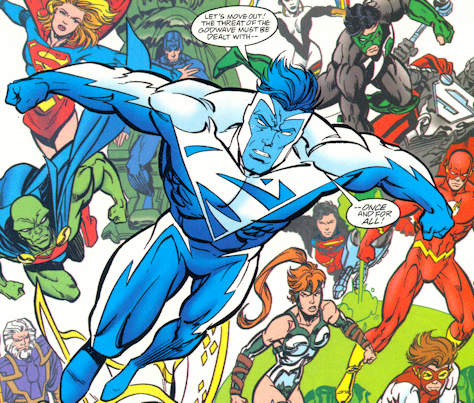
Perhaps. And then they changed his powers and him electric, a controversial move. Still lambasted today, though I kinda liked it. Whenever there are great changes to the status quo we all know it’s temporary, so why not have fun for the time being? Least he got a haircut.

elecsupeadv551


Finally, in the 2000s it was decided that Superman should be more pure. Enough of the gimmicks. Grant Morrison and Mark Waid unfortunately didn’t get to lead the way, but writer Jeph Loeb and artist Ed McGuinness did their best.

224px-Our_Worlds_at_War

I didn’t like Jeph Loeb’s writing, but McGuinness was spectacular. I say the cartoony-look worked well. Joe Kelly writing Action Comics was most brilliant of all. I miss that era. It all climaxed in the Our Worlds at War crossover, where Superman and the JLA fought a Galactus-type new space nemesis, Imperiex.


On villains, yes some are too lame. Toyman, the Prankster. Mxyzptlk ok. Lex Luthor, of course, is great but has always suffered from being a normal human up against the power of a Superman — intellect or no.

Metallo is cool. Parasite is decent. But overall, Superman’s old school villains haven’t been the best. Especially when compared to the classic rogue’s galleries of Batman, Spider-Man, and the Flash.

As said, I believe Lex’s rebirth in the 80s as a sleazy businessmen was a great improvement. In the 2000s, it went one step further. President Lex.

1152385-lex_luthor-batman-v-superman-lex-luthor-for-president

(Which “coincidentally” corresponded to the W. Bush years. Life imitates art or art imitates life? Seriously, I’m asking.)

Continue reading

DC Comics – 1980s

Previous: DC Comics – 90s

I think we can all agree that the 80s was among the top decades ever. In the world of comics (at least, American mainstream superhero comics), it was the decade the medium finally matured into a respectable art form for adults.

I definitely grew up on Marvel, but in my later teens I chose to focus on DC, and from my early and mid-twenties I spent untold hours scouring for back issues to fill in the historical gaps.

The truth is, Marvel was revolutionary in the 1960s but DC — that stuffy old company famous for square-faced Superman and Adam West-era Batman — did catch up. Green Arrow/Green Lantern by Dennis O’Neil in the 70s comes to mind. By the 80s, there were plenty of literary books.

As for Watchmen by Alan Moore and Dave Gibbons, and The Dark Knight Returns by Frank Miller, it says a lot those seminal tomes were published by DC. But you’ll have to wait until my inevitable Alan Moore and Batman-themed posts for more on those. Same bat-time, same bat-channel!

Allow me to skip ahead in the timeline of the DC Universe, whereas the centerpiece would definitely be 1985’s Crisis on Infinite Earths. The mega-crossover revitalized the entire multiverse, with a cosmic menace requiring the heroes of all the different earths and time periods and planets, and an ending that took all the realities and put them into one big universe. RIP Supergirl and Barry Allen Flash…

Superman_Earth-One_003

Written by Marv Wolfman and illustrated by George Perez, it was a masterpiece.

Speaking of which, to go a bit further back on that creative team: Wolfman and Perez tother first came to prominence with the New Teen Titans. We forget now, but for a time they were the rivals to Marvel’s X-Men. That successful.

Sidekicks Robin, Kid Flash, and Wonder Girl were joined by newcomers Cyborg, Starfire, and Raven. Changeling/Beast Boy too. You may know the cartoon.

The-New-Teen-Titans-Omnibus_Vol1

Cyborg was futuristic-transhumanist science fiction, Starfire was space opera, and Raven was supernatural horror. All the neccesary genres for superhero adventures. Add that to character development and the occasional soap opera storylines, and the formula made for solid great comics. Too bad the Titans have never been able to live up to that pre-Crisis era since.


Pre-Crisis DC, that was back when there were all those numbered Earths. The Golden Age 1940s continuity was called Earth 2, with the Justice Society and the original Action Comes #1 Superman. Writer Roy Thomas, who might be the most knowledgeable man in all the field, wrote about the WWII-ea in All-Star Squadron. It was followed up Infinity, Inc., which wasn’t as good but interestingly showcased the sons and daughters of the Justice Society in modern times. I do like my superheroes generational, a sense of history.

All-Star_Squadron_02


Then Crisis happened. All those Earths were now one. History was rebooted. Earths 1 and 2 had the same timeline all along. It’s confusing, I know.

The first post-Crisis crossover to introduce this new streamlined universe was Legends, helmed by Marvel’s popular writer-artist John Byrne and John Ostrander. It pitted DC characters against Jack Kirby’s Fourth World, which the ultimate epic villain of Darkseid.

Legends_1


Then, the Suicide Squad grew out of Legends. This ragtag team of supervillains employed by the government was, in a word, awesome. Very cool, very badass. Who knew corny DC villains could be written with such edge? Captain Boomerang, Deadshot. And a lot of the characters died in these suicide missions, some of them not even coming back to life. And who doesn’t love Amanda Waller?

Apparently there will be a movie of the squad soon enough.
Suicide_Squad_-1


Most important of all, the new Justice League evolved out of Legends. It was the latest incarnation, the Justice Leauge International, most often referred to as the “Bwahaha! era.

Justice_League_1_DC_1987

Believe it or not, it was a comedy comic. Cowritten by esteemed writer J.M. DeMatteis and Keith Giffen, it kind of showed what it was like to hang out as a superhero in the off time of saving the world. It had Guy Gardner as Green Lantern, who was refreshingly a dick for a superhero, Martian Manhunter as elder statesmen, best buds Booster Gold and Blue Beetle, girlfriends Fire and Ice, and of course Batman being super cool Batman.

I tracked down every single one of those issues. I still have the full run to this day, including Justice Leauge Europe. They did fight supervillains like Desparo and had crossovers with the extremely serious Suicide Squad, but mostly it was a return to comics being fun. Unfortunately, after Giffen and DeMatteis left the League became convoluted through the 90s until Grant Morrison revitalized the franchise with back-to-the-basics JLA. But that is a post for another day.

“One punch…”

Continue reading

DC Comics – 1990s

Previous: Marvel Comics – 1990s

DC vs Marvel, the original nerd debate…

First of all, I grew up on Marvel. The House of Ideas, “Stan Lee presents…” all that. It sustained me during my awkward adolescence. And then, I grew out of it.

By the middle of my high school years, I was still very much obsessed with comics but my standards were higher. While Marvel always focused on art, DC focused more on writing. It’s a fact you can look up: in comics scriptwriting there is a style called the Marvel style in which the author makes a brief outline, and the artist effectively tells the story (like a film director) and afterwards the author fills in the dialogue. It evolved from Stan Lee and Jack Kirby doing a dozen comics a month during the Silver Age in the 60s.

DC is more traditional. They do scripts with all the panel layouts and details written in, and depending on how visual a thinker the writer that can include a lot of detail. Think of a film/TV script except the writer actually has authority. So while Marvel had all their famous artists  and had all their editorial-controlled characters in endless crossovers, DC had far more literary stories. Especially back in the 90s. Marvel always outsold the latter, but DC won awards and eventually even created the Vertigo imprint for more mature, adult-oriented work.

DC Goodreads shelf

For me, it mostly began with the seminal Death of Superman event. Remember that? Doomsday, the four replacements, the post-resurrection mullet. It was awesome! Like many casual readers, I ate that up. Unlike many others, I stuck around and went backwards and learned all about such histories as the Eradicator and so on.

However, an important character like Superman will soon get his own post. Batman as well. Then Vertigo, and various authors. This post is simply about DC in general in the decade.

Starting from that jumping point, Dan Jurgens was one of the main architects of the Superman mythos in the 90s and he was also briefly in charge of the Justice League. If you remember from the Death of Superman graphic novel, there was the Blue Beetle and Booster Gold, Fire & Ice. That actually goes back to the 80s Justice League. (80s post next. It’s tricky writing these things going backwards chronologically.)

61HSdm+2mkL._SY344_BO1,204,203,200_

Dan Jurgens was also unfortunately responsible for writing and illustrating the 1994 crossover Zero Hour. It was itself a pale shadow of the epic Crisis on Infinite Earths of the 1980s – again, next post – and frankly it wasn’t that good. Green Lantern turned out to be the villain, they tried to fix some continuity problems, and they released special issue number “zero”s with new origin stories.

Zero_Hour_TP

Some of the tie-ins were good, some weren’t. I read many of them. In doing so, I realized I had a lot of work ahead of me to master this new universe. Exciting times for an escapist teen… I proceeded to go to my local bookstore, back when Borders was a thing (RIP Borders!) and read all the graphic novels I could. I did my usual thing of searching for discount back issues at used markets. On Wednesdays I filled up my pull list with the best of DC.

Yes, the teenage me of the mid-90s really wanted to focus all his attention on learning about the DC Universe. Seemed like a good idea at the time, seemed I had nothing better to do. I am glad I did. The fondest memories of that age.

Let’s continue with writer Mark Waid and the Flash.

markwaidgreatest2

Looks like the Flash is already getting some new buzz with the TV show. I heard it’s good. I’ll binge-watch it later.

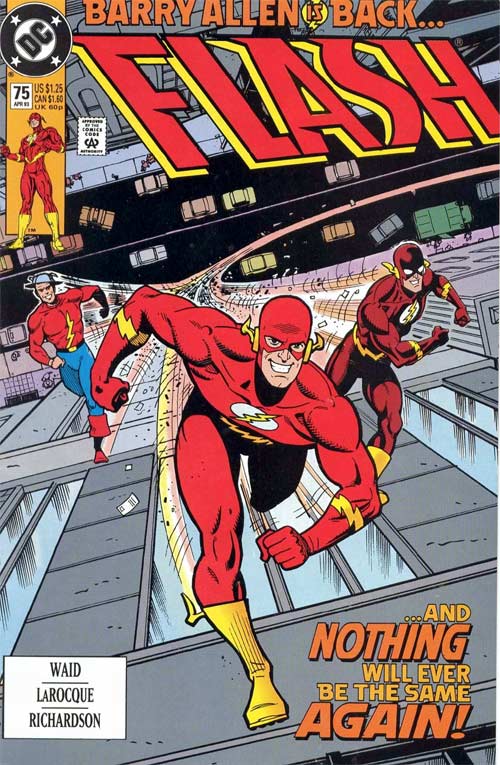
The Flash does in fact have one of the greatest rogues gallery in comics, right up there with Batman in Spider-Man, and they’re called the Rogues. Captain Boomerang, Captain Cold, the Trickster, Grodd. There were many Flashes in fact, and my incarnation will always be Wally West the former Kid Flash. I loved that he had no secret identity, that he grew up in the community of superheroes. I enjoyed the generational and family elements with all the different Flashes. There was time travel, speedster ninjas, all you could want. None of that lame dystopianism that other superhero comics faked in bad attempts to be relevant; Mark Waid always knew how to write with heart and respect to the genre. Waid made Flash a must-read comic, added the Zen-style “speed force” to it all, and also created Impluse.

51B5QVMM8QL._SY344_BO1,204,203,200_

Mr. Waid’s true opus was the 1996 miniseries Kingdom Come, brilliantly painted by Alex Ross of Marvels fame. While Marvels was about the past, Kingdom Come was about the future. With much commentary about bad 90s comics, the plot concerned an aging Superman coming out of retirement to save a bitter, cynical world from violent antiheroes.

Kingdom_Come_2

Every page contained a thousand references. This kind of story must be studied to be fully appreciated. I also liked the less-acclaimed followup, The Kingdom, which further fleshed out the setting of tomorrow.

Peter David was a fine writer, let me reiterate. While I first came across his writing in the X-Men spinoff X-Factor, and of course the Hulk, my favorite of his work was Aquaman (Also Supergirl, but about that later Superman post…)

Aquaman has always gotten an undeserved bad rap, damn you Superfriends cartoon! It was the 90s, they had to make him “badass” with the hook for hand and long hair. But I think it worked. I enjoyed the mythology of Atlantis, the politics of his being a king, and the revamped origin story in which he was raised by dolphins.

Aquaman17_(1996)

Continue reading

Marvel Comics – 1990s

Previous: Marvel in the 80s

Although I consider the 80s to be the peak, if I still had all those boxes you would find more 90s Marvel than anything else. It would almost be embarrassing, revealing my guiltiest pleasures of camp boys adventure stories. How fun they were.

I have since sold all my Marvels on ebay, saved others, but the memories remain. Again, Goodreads Marvel shelf

It was the 1990s comic boom, when gimmicks and crossovers and COLLECTIBLE NEW ISSUE 1! desperately pleaded you to buy multiple copies. The economy was good, everyone thought they’d get rich by selling Spawn # 1 (they wouldn’t) and I was in the thick of it. More on Image comics in a moment.

Marvel upped their crossovers like never before, and I’d like to start with Infinity War. That is pretty much the epitome of the era. Not to mention they’ll apparently make a movie of it.

infinity-war-avengers-infinity-war-could-be-a-bigger-deal-than-we-think

Infinity Gauntlet, by Jim Starlin, was brilliant. The villainous Thanos destroyed half of all life in the universe. It was cosmic. Jim Starlin’s space opera mythos will get its own post eventually. However, after Infinity Gauntlet concluded, the franchise was totally milked. The Infinity Watch series with Adam Warlock, The Infinity War and Infinity Crusade crossovers, it kept going. And I, at the time, loved it.

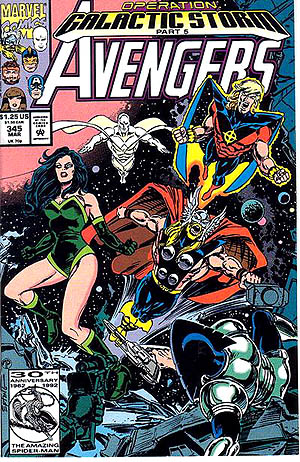
Another crossover was Avengers: Operation Galactic Storm, about an outer space war between the Kree and Shi’ar empires going to war. Perfect example of this sort of thing. 19 parts I think? It took me forever to track down each one and read the whole thing.

Avengers-345

What really deserves mention on this sort of thing is Spider-Man. Oh, Spider-Man in the 90s…

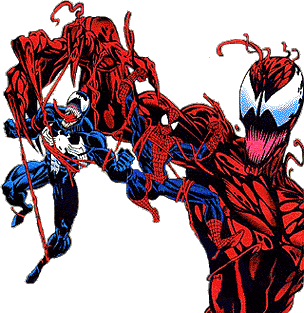
I actually remember going to the bookstore and seeing part 2 of Maximum Carnage and being totally enthralled. I barely knew what was going on, but they hooked me. I had to read them all.

tumblr_l58zyfHbBW1qcbsd5o1_400

I was totally completist, reading all 14 chapters at full price as they came out. No hunting for back issues, it was the first time I experienced the rush of going to the comic store on Wednesday to read the latest installment.

There sure were a lot of Spider-Man comics back then. Web of, Amazing, Spectacular, Unlimited

I didn’t even understand all those characters, Iron Fist and Deathlok as well as Venom and Carnage. But I liked sensing more to the story.

covers-of-Maximum-Carnage

Met my best friend in the middle school cafeteria, when we noticed each other reading Spider-Man comics

Later in the 90s, Spider-Man would be haunted by the endlessly-complicated clone saga. It got less fun. Too convoluted for its own sake, and even the most diehard fans had enough.

Spider-Man_Clone_Saga

No wonder the franchise was eventually rebooted.

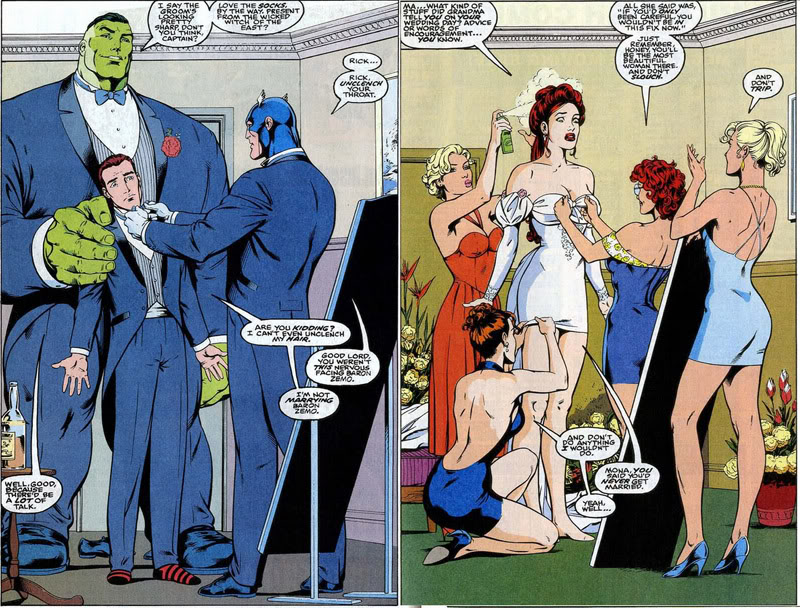
There were some actual good comics in the early 90s. Peter David’s Hulk comes to mind. Although it kept changing tone – Peter David is a great writer but he seems to make it up as he goes along – I jumped in during the Pantheon era. Fun stories like Rick Jones’ wedding, with superheroes in suits!

splash-hulk-418

A better recommendation for Hulks to read might be the awesome Future Imperfect:

61713-4793-94708-1-hulk-future-imperfe

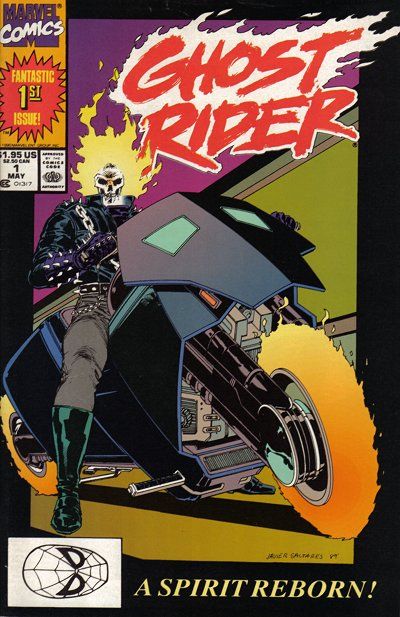
Meanwhile, in another corner of the Marvel Universe there was Ghost Rider.

GhostRider_vol_2_issue_1

I remember a whole “Spirits of Vengeance” thing with spinoffs galore. It was no Vertigo, but I ate it up as superhero-friendly horror. Morbius the Living Vampire and whatnot. Y’know, there wouldn’t have been a Blade movie if not for those.

Speaking of movies, my original Guardians of the Galaxy was not of that blockbuster movie. The Guardians were a superteam from the 30th century, and only in the last few years did Marvel create a contemporary outer space team of misfits. Anyway, the 30th century version got their own series in the 90s. I always liked that cosmic, Silver Surfer stuff. It was obscure, not a big seller, but I enjoyed the world-building very much.
gotg4

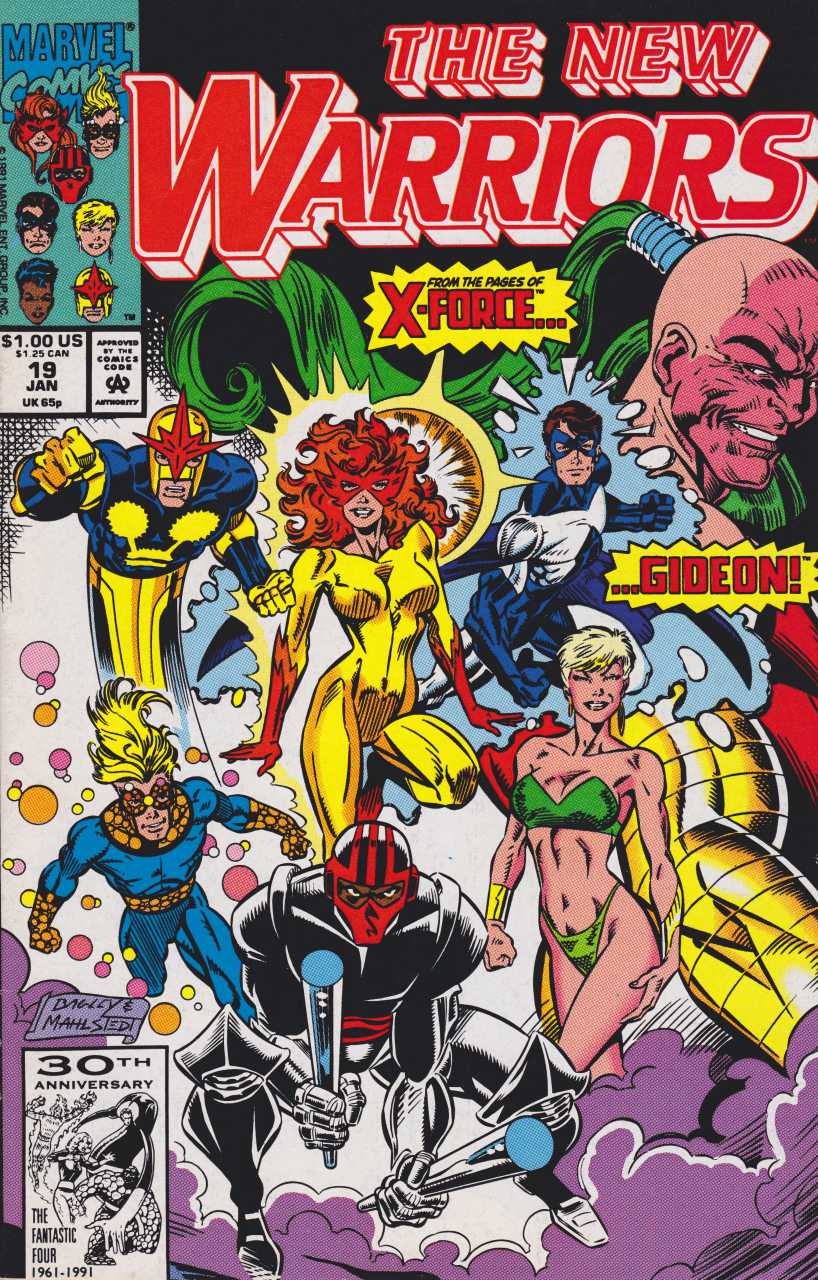
Speaking of more obscure, the New Warriors. Where Mark Bagley, famed artist of Spider-Man, got his big break. Written by X-Men 90s scribe Fabian Nicieza, the team consisted of Marvel rejects in limbo who could be thrown together. Nova, Speedball, Firestar, some positive diverse characters thrown in for good measure; nothing else to do with them so why not make a new group? I recall it was pretty good. I like team book dynamics. The comics themselves I didn’t actually collect, they belonged to my best friend (mentioned above, the Spidey fan) and I read them all. Ah, bonding.

1811322-new_warriors__1990_1st_series__19

That said, it’s about time I talk about actual good comics. Like, comics with heart that embrace the superhero genre but are a bit more intelligent. Comics for grownups, nostalgic they may be, but for grownups nonetheless. There wasn’t much of that at Marvel in the mid-90s, but some arose.

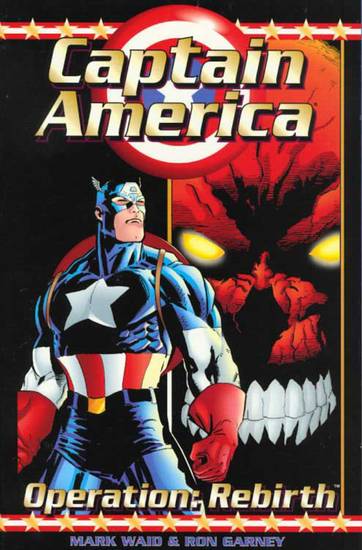
The great Mark Waid, very esteemed writer, had began to write for Marvel after leaving DC’s Flash and took up Captain America with Ron Garney. It was mighty good stuff.

r620-e30a7874150ec5800241147949347bdc

And then Marvel had to go and fuck with that.

Continue reading

Marvel Comics – 1980s

Previously: Growing up with the X-Men

The Uncanny X-Men were my absolute favorites when I was young, but those were not the only comics I was into. I had a great love for the whole Marvel Universe, and like the mutant corner of the epic tessaract room, I too was introduced to Spider-Man and the Avengers and the Fantastic Four by living in a house full of 80s comics…

I was never a Spider-Man completist, but with SO MANY Spider-Man spinoffs out there, Marvel really milked the franchise and I read a lot. Amazing, Spectacular, Web of. At least X-Men were teams and had spinoffs, how did Spider-Man get so many titles? The classic character, of course, has among the greatest rogue’s gallery. Peter Parker was also a relatable guy, and for this reason the underdog of superheroes because the most popular flagship of a whole company.

Some say that Spider-Man lost it when he got married. I didn’t think so, I liked the continuity and growth in the character’s life. Marvel has since, as all comics readers know, retroactively rewritten Spidey’s history so he was no longer ever married. Talk about a harsh annulment!

Asmannual21


Speaking of Spider-Man and X-Men and more, Secret Wars was the perfect story to tie together all the superheroes. Required reading in 84, it was on of the great original crossovers. Secret Wars took all the main heroes and villains and thanks to the mysterious Beyonder they were put a planet to fight a war. Nowadays crossovers are a comics cliche, but back then it was a big deal. Certainly a big deal for me to read.

I read it out of order, finding random back issues and more until I completed the story years later. The chapter introducing Spider-Man’s new costume was hard to get — expensive (the costume was precursor to Venom) — but eventually I bought the bullet and paid.

That’s how it was back then, piecing together the Marvel Universe.

secret-wars-8cover

The sequel Secret Wars II sucked by the way. Trying to be philosophical and shit, the omnipotent Beyonder went to Earth and took human form and became a lame 80s hipster. Really terrible stuff.

But Marvel could do better.

This was the era of the great writer-artists. Truly great reads.

John Byrne’s science fictional Fantastic Four, took them to the Skrull Galaxy and Eon the Living Planet and the Negative Zone antimatter dimension and the microverse. Let us not forget, the mighty Galactus.

fantastic-four-issue-257-art-john-byrne620

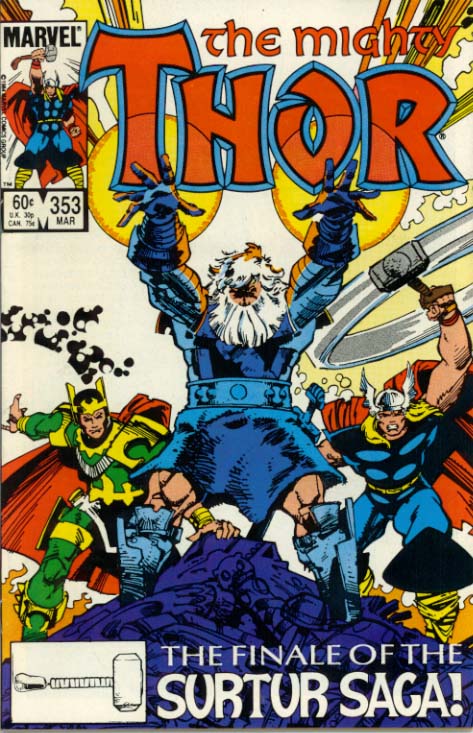
Walter Simonson’s high fantasy Norse epic of Thor, as Thor’s world was fleshed out in Asgard joined by Balder the Brave. The actual mythologies were utilized as Ragnarok occurred, the end of the world, with Allfather Odin himself fighting the evil Surtur.

thor-353

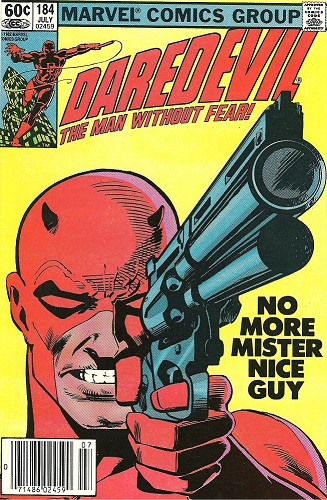
Later I caught up on all the tradepaperback reprints of Frank Miller’s seminal noir-eque Daredevil (note that Miller is famed for Sin City, but this was his previous mainstream work leading up to that). Groundbreaking at the time.

Daredevil_cover_-_number_184

That covers all the main genres of adventure stories.

Continue reading

Growing up with the X-Men

“Da na na na NA NA!”

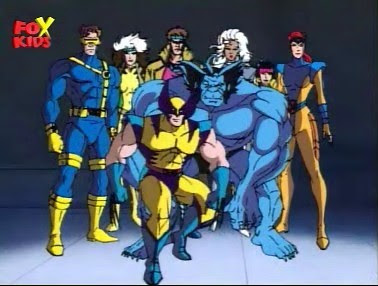
That’s supposed to be the X-Men Animated Series theme song. Remember that? If you’re a member of my generation, should be a fond memory…

Fox X-Men Animated Series 1992 to 1997

Can’t you just hear the theme song?


Little did my early childhood self know, but there was a lot more to X-Men than that 90s Zeitgeist.

As detailed in my last post: My History of Comics, once upon a time in my adolescence I was given the awesome gift of about a hundred 1980s X-Men comics (as well as New Mutants and X-Factor spinoffs, more on that in a moment). Written by Chris Claremont, this was the crème de la crème of the superhero genre. It changed my reading habits — and hence, my life — forever.

Although these comics posts are mean to be about my experience, I will delve into the greater history of comics for a bit. In Marvel Comic’s “Silver Age” era in the 1960s, Stan Lee and Jack Kirby, that is, probably just Jack Kirby, created the X-Men. Cyclops, Angel, Best, Iceman, and Marvel Girl/Jean Grey. It was actually more of a failure compared to Fantastic Four and the Avengers at that time. Yet, in the late 1970s came the All New All Different X-Men and American superhero comics suddenly matured.

xmen70s

Dave Cockrum?


With an international cast, featuring the Canadian Wolverine and the African Storm as well as many others, it brought much-needed diversity to the superhero genre. In particular were the many strong, female characters. (Funny though it is that the X-Men were so feminist.)

It still pisses me off that the movies don’t get that. I’ll be complaining about the movies a lot in this post.

By the 1980s, the Uncanny X-Men were the best of the best. While Marvel was publishing a lot of cherished works, scribe Chris Claremont was building an amazing mythology unequaled with anything else out there. He took the metaphor of mutants-as-oppressed-minority and went with it unseen depths. He wrote with equal ease in outer space settings, as the alien Shi’ar Empire fought the Phoenix and the Brood. He wrote about magical concepts, with Colossus’s sister Illyana the ruler of the mystical demonic realm of Limbo. He was on fire, and he stuck with the characters on fire for 16 years from 1975 to 1991. Although, yes, if you wanna critique we was and is a very wordy writer.

My bundle of X-Mens covered about 180 – 240. But with many other heres-and-theres, I got the Dark Phoenix saga graphic novel collection and Classic X-Men reprints. The fun of collecting comics back then was to fill in the gaps and slowly piece together the greater story over the course of years. Then I got X-Factor 1 – 50, the spinoff featuring the original X-Men such as Cyclops, which covered many crossovers. As well as bunches and bunches of New Mutants.

723646-newmutspot_cover

The New Mutants, next generation of students at Xavier’s


By the time I hit the ground running, Magneto had joined the X-Men in issue 200 and then there was the Mutant Massacre and then for a darker period the X-Men had “died” in the Fall of the Mutants storyline in 225 and lived in Australia while being drawn by Marc Silvestri, and then the demonic Inferno crossover around issue 240 brought together X-Factor and others. Wow fun times!

Classic X-Men 28-29

Silvestri, love that art


Continue reading

My History of Comics

WP_20141210_003

My current crop of graphic novels on apartment bookshelf, but do read up on how it all began…

Back: My hobby of comics

And now the history thereof:

Back in the 1980s, I was a weird little kid. I had an unstable upbringing, and although I was encouraged to read I didn’t really discover my passions until a bit older. I didn’t get into comics until that decade was over with, although as a small child I did typically love Ninja Turtles and Transformers without even knowing the original comic book origins.

By the time the 90s arrived, I was a hyperactive nerd with bad social skills and hailing from an increasingly-broken home. My destiny as an escapist comic geek was inevitable, it must have been. I did enjoy watching the brilliant X-Men and Batman cartoons, though I hadn’t read much of the source material yet.

Finally, my parents divorced. I remember it as a great relief.

I was about ten or eleven years old and my dad lived in Indianapolis, Indiana while my mom moved to Cincinnati, Ohio. The great question was which insane parent me and my sister were to stay with (spoiler: wasn’t going to be my mom). The answer to that question was postponed, as we were sent to stay with our loving older, richer, Jewisher relatives to live with for a year as my parents got it together and proceeded to fight each other in court.

It was an interesting year, living in a big house in actual American suburbs. Like you see on TV and everything. A taste of the good life!

But what really made it a good life was that my old relatives had an adult soon who had moved away. Their son was a comics fan, and closets upon closets upon basements in the house were filled with classic 80s and 90s Marvel comics. Lots of Star Wars toys as well, by the way.

Some of my best memories are of exploring that ol’ house. All the things I discovered…

Putting comics in chronological order. Making sense of the crossovers, filling in the gaps of storylines bit by bit. The Avengers. Fantastic Four. The story of Tony Stark losing his armor to James Rhodes, Captain America quitting, Spider-Man’s black costume, and marriage. Tie-ins to Secret Wars, Inferno, Acts of Vengeance, and more.

I lived in the Marvel Universe, I truly did.

Here’s the thing about superhero comics as hobby. To truly understand the profound continuity, you need to read a lot. Not just casually pick up an issue or even a graphic novel every so often, you need to obsessively understand everything that has ever happened to these characters over the course of decades. Hundreds of characters with their own biographies and histories and villains and to follow it all you have to basically become an expert.

Then, in the midst of figuring all this out, I started buying the latest 90s Marvel comics. Spider-Man and X-Men, of course. Crossovers like Maximum Carnage and the Phalanx Covenant. The early 90s did not measure up to the heyday of the mid-80s by any means, although as a dumb kid I was very impressed by those Image-era artists. And there was nothing better than Wednesdays at that fondly-remembered little comic shop in downtown Broadripple. It was my first. It’s gone now.

The time came and my dad moved to Cincinnati and me and my sister moved with him. Life was more or less stable from middle school to high school. But by that point, the damage was done. I could not move anywhere without finding the local comic shop and I was wired so that it was one of the most important things in my life. Soon I would meet my lifelong best friend in the cafeteria of our middle school, because we both read comics and didn’t sit with the cool kids.

But before I moved, I was given the greatest gift one could ever be given, a hundred-odd issues of 1980s-era Chris Claremont genius.

Remember what I said about continuity, about being an obsessive expert to truly understand the story? That goes quadruple for the epicness that is classic X-MEN.

Next: My early affair with the X-Men (and not that current movie shit, the original awesome groundbreaking All-New All-Different series…)

Comics One

I like to share. Over the course of this blog, I’ve shared my writings, some of my taste in music, and yes my love-life. However, one aspect that I consider very important to my identity has been rather neglected. I speak of my biggest hobby of all, my first love. Comics. There are many facets to the complexity that is me Ray, but if anyone is interested in truly knowing the core of my being then you must know that I am ultimately.. a bigass comic geek. I used to go to the comic shop every Wednesday. I used to scour for good deals at used bookstores and comic conventions. I collected thousands of periodicals across all genres, and filled my various bedrooms with dozens of boxes. At last count, I had about 40 boxes. They contain over a hundred issues each, do the math. I have less now, that’s another story, but still a ton of these back in my dad’s closet in Indiana of all places.

WP_20141211_001

Now imagine 40 of these.

To introduce this series detailing my great interest in the sequential art form, let me begin with profile links from my extensive Goodreads:

According to my Goodreads shelves, I have read over 1000 graphic novels (I think it’s more, that’s just what I recalled to list)
https://www.goodreads.com/review/list/765636?shelf=comics

There are all kinds, all genres. But I must admit mostly superhero- https://www.goodreads.com/review/list/765636?shelf=superhero

Split into DC and Marvel (I’m more into DC, least I used to be) https://www.goodreads.com/review/list/765636?shelf=dc https://www.goodreads.com/review/list/765636?shelf=marvel

Re: Superman
https://www.goodreads.com/review/list/765636?shelf=superman

Also, quite a lot of Japanese manga
https://www.goodreads.com/review/list/765636?shelf=manga

Such as the fun volumes of Shonen Jump https://www.goodreads.com/review/list/765636?shelf=shonen-janpu

The “God of Manga” Osamu Tezuka
https://www.goodreads.com/review/list/765636?shelf=tezuka

I do, of course, contend that comics are as literature as prose books Noting DC’s adult imprint Vertigo
https://www.goodreads.com/review/list/765636?shelf=vertigo

Indie as well, all that which defies classification https://www.goodreads.com/review/list/765636?shelf=indie

My favorite authors:

Grant Morrison
https://www.goodreads.com/review/list/765636?shelf=grant-morrison

Alan Moore
https://www.goodreads.com/review/list/765636?shelf=alan-moore

Warren Ellis
https://www.goodreads.com/review/list/765636?shelf=warren-ellis

Neil Gaiman
https://www.goodreads.com/review/list/765636?shelf=gaiman

Geoff Johns
https://www.goodreads.com/review/list/765636?shelf=geoff-johns