As a young man in my twenties, I devoured Haruki Murakami. The Wind-Up Bird Chronicle, Norwegian Wood, Kafka on the Shore, Sputnik Sweetheart, IQ84, and more. Seventeen at last count. The dreamlike fantasies of other worlds, the magical realism, the meticulous prose of the English translations, the lack of plot and the melancholic atmosphere, I found great comfort in reading book after book. And then one day, after the author went past his prime, I started finding them repetitive and I stopped reading. Perhaps my tastes have changed, perhaps they weren’t as sophisticated as I once thought. I like to think my standards have improved, but who knows? In any case, it can’t be denied that Haruki Murakami is among the most successful fiction writers on earth and has had a great impact on literature.
I also happen to be a fan of Japanese manga comics. So therefore, a manga adaptation of Murakami short stories should be right up my alley. I have now finally read Haruki Murakami Manga Stores Volume 1, which adapts the author’s short stories “Super-Frog Saves Tokyo,” “Where I’m Likely to Find It,” “Birthday Girl,” and “The Seventh Man.”
I’m not totally sure these always work, but it’s certainly an interesting idea to adapt these stories into another medium. (There have been several successful film adaptations of his works, in fact.) The term manga in the title, however, does not really lend itself to assumptions about heroic shonen adventures and cutesy anime girls. Perhaps this should be thought of more as artistic indie comics.
The first story, “Super-Frog Saves Tokyo” is a weird tale of a Super-Frog. With a typical Murakami protagonist, a dull businessman/sarariman type having an existential crisis, it’s unclear in the story if the frog is real or just a figment of his imagination. In that way, it’s a good introduction to the vibe of this collection. I also don’t know what to make of it. Is it good literature? Is it just weird for weird’s sake? For more depth, I’d have to read the original prose short story to analyze. The comic version, with decent colorized art, is as confusing as it is anything else.
“Where I’m Likely to Find It” is in black & white, which is more typical for manga, albeit using a bit of color in some scenes in which a mirror seems to show an alternate world. This is what Murakami often writes best, a subtle fantastical mystery without any true resolution. In a sort of neo-noir genre, an amateur investigator explores a staircase to find a missing husband. There’s something of satisfying conclusion, but of course what really happened is never quite explained in the end.
“Birthday Girl” feels different in starring a female character, and probably has the most dynamic art. Maybe it’s clichéd that the main character is a waitress, but it’s suitable for the purposes of the plot. She meets an old man, they have a drink together, and she gets a birthday wish granted which the reader doesn’t get to know. It does inspire imagination, which is ultimately the point of this kind of style.
The final one is “The Seventh Man,” and it is the most haunting of them all. A story-within-a-story, a nameless man speaks about his childhood from a less modern era. There is nothing necessarily supernatural, when he experiences a typhoon and its horrifying aftermath. A childhood friend drowns, which is expressed with sadness and mystification. A good meditation on trauma. Like the rest of the stories, this may not be a good read for everyone. The overlap of Murakami and literary comic readers is rather specific, but for me I’m glad I gave it a try.
In 1929, socialite Bernadine Szold Fritz left America at the age of 33 to move to Shanghai. She stayed there for the better part of the following decade, until war with Japan forced so many to leave. The world Bernadine inhabited and thrived in was alien in many ways, but also surprisingly familiar to anyone who has also made the trek from the West to East Asia in the 21st century.
It was a time of great change, when Shanghai was a cosmopolitan city yet split apart by a complex network of colonial powers. It was the early days of the Republic of China, before the culmination of the second World War and when civil war would force the KMT to flee to Taiwan.
The stories and places described in the book Bernardine’s Shanghai Salon: The Story of the Doyenne of Old China are told through the eyes of a remarkable person, who achieved much in a time when women in either China or America had few rights compared to today.
Susan Blumberg-Kason, the author of her own memoir Good Chinese Wife about life and marriage in 1990s Hong Kong, did extensive research when writing this biography. It is a deep character study, listing a plethora of facts and figures, but also speculating on the deeper motivations and feelings Bernadine must have felt when going through the various personal challenges of her life abroad.
Bernadine was a journalist, writing most prestigiously for the New Yorker among other outlets, but unfortunately during this era she was forced into marriage as a way to support herself and her daughter. Indeed, she originally moved to Shanghai because of a proposal and often throughout the book she is held back by her marriage to businessman Chester Fritz. (It was her fourth marriage, in fact. Bernadine lived quite the life.)
The book is very much not romantic. Her husband, and previous ex-husbands, were products of the misogyny of the time, and tried to control and limit her in many ways. Despite that, Bernadine went as far as to help found the International Arts Theatre which produced many successful plays, ballets, and operas. The Soul of the Ch’in was the largest ballet ever performed in Shanghai until then, and the adaptation Lady Precious Stream was ahead of its time by being the first English-language production to have an all Chinese cast, a positive revolutionary moment considering previous versions of the play always utilized white actors in yellowface.
Throughout her years, Bernadine met many other famous writers and artists and the book namedrops quite the list of 1930s celebrities. She was good friends with author Lin Yutang, wrote letters to Hollywood actress Anna May Wong, and even knew the politically-connected Soong sisters who had such an impact on the history of China and Taiwan, such as Soong Mei-ling—the future wife of dictator Chiang Kai-shek.
With the expat perspective, Western readers who have lived in places like modern Shanghai, Hong Kong, or Taipei as well will be struck by how similar the sentiment is today. One disgruntled quote from a visiting friend of hers describes it well: “Thirty years—sometimes more—without troubling to learn the language, and these ‘Old China Hands’ pickled in alcohol considered themselves supreme authorities on the country and the people. They prided themselves on never mixing with the ‘natives.’ Was it due to the climate? They were inveterate grumblers.” Personally, I have met of those exact kinds of people in 2024.
Another interesting aspect of the book is Bernadine’s evolving Jewish identity. Perhaps that was why she felt like an outsider in her own homeland, and was able to move so far away. She says in one discussion, “I don’t know what to think anymore. I’ve gone through all the phases of hating it, of hating all Jews, of being proud of it and hating lots of Jews, of not minding one way or the other and having a few friends who are Jews, or deciding always to take the bull by the horns and in the most obvious way possible tell people right off.” Although she was never religious, as the years went by and horrors of Nazi Germany became more apparent, she participated in Jewish causes in order to aid refugees during the war.
Politics are ever present in the background of the book, but the most fascinating sections are focused on her own private life. Sexuality within her failed marriage is explored, there’s a breast cancer scare, among other issues with her career and family. The saddest aspect of all was her relationship with her daughter Rosemary who she chose to send to boarding school thousands of miles away in America, something hard to understand today, and that story ultimately ends in tragedy.
Bernadine Szold Fritz may not be well-known today, but she very much deserved to have a book written about her and Susan Blumberg -Kason is proven to be up to the task. Fans of history and of women’s issues will appreciate this ambitious book which gives a human angle to such a tumultuous time in the world. I certainly learned a lot, and enjoyed the read.
So, I just decided to reread all the 1990s X-Men comics and have since procured 43 digital graphic novels.
In what no one asked for, I shall ‘live-read’ these and share my observations over the coming months. These comics are special to me, I have some free time on my hands, and I simply wanna embrace my inner nerd.
It begins thus: I have decided to start with Uncanny X-Men 246 and 247, as a sort of prelude to the graphic novel collection Dissolution & Rebirth. It was 1989, and this marks the end of the less fondly-remembered Australian Outback era. (I kind of liked it, Marvel was getting darker, and for some reason the X-Men were presumed dead and living in Australia.)
Anyway, the big Inferno crossover had recently ended and Jubilee just had her first appearance. Now it was time for a new era, and one by one each character would get sucked into the mystical Siege Perilous. In this issue here Rogue got sucked away, and soon everyone else would follow, until the mutants found themselves in a scattered diaspora and it would be a while until the cartoon-esque status quo would finally arrive. The continuity was admittedly complicated. Also, I liked the stylistic art by Mark Silvestri.
In the next issue, Jim Lee would illustrate his first issue and Marvel would begin to change. The 90s were a decade with many flaws, but at least the comics were fun and ambitious if not pandering, and the X-Men were the focal point of this new aesthetic…
Dissolution & Rebirth
This was the official beginning of the 1990s X-Men, heading towards the climax of the multi-decades-long Chris Claremont saga, and that makes for a confusing read.
Before the best-selling renumbered X-Men # 1, before the animated series status quo so many think of when they hear “the X-Men”, there was this transitionary time when the 80s had to wrap up in order to begin anew.
After the mutant team gave up and left Australian Outback, they went through the mystical Siege Perilous and ended up all over the world. In the premiere of superstar artist Jim Lee’s first issue, Storm seemingly dies (later it’s revealed she’s transformed into a child… yes, it’s confusing. That storyline did introduce the gentleman thief Gambit).
Then Wolverine and Jubilee go on the run, where they meet Psylocke who has been transformed into an Asian ninja—this happened to be due to Iron Man villain the Mandarin, during the Acts of Vengeance storyline in fact. That trope has aged a bit poorly, I admit, but this iteration of Psylocke sure looks cool.
In the meantime, there are many sub-par issues about the extremely slow-building Shadow King storyline on Muir Isle. The focus turns to Banshee and Forge for some reason, as if there weren’t enough characters, with mysterious psychic forces manipulating everyone. There’s also a buildup towards a showdown with apartheid-analogue nation of Genosha, crossover event scheduled for the next graphic novel, and amnesiac Colossus and Dazzler show up here and there along with Jean Grey and many weird bad guys.
Taking each chapter individually, there are a lot of high-quality stories in this collection. As a whole, it felt like too much. So many overlapping plot threads made it increasingly difficult to keep track of what the heck was going on, and in retrospect one can’t blame Marvel for soon wiping the slate clean and starting over.
Can only recommend for the most hardcore of fans, those who know all the backstory and can’t get enough. Still, that’s what used to make superhero comics fun. Eventually, it all becomes too much and reboots are inevitable. Note that this pattern is even happening to the superhero genre in film nowadays…
Anyway, it’s not the best X-Men ever, but Jim Lee and Gambit and ninja Psylocke would all be necessary elements to fully understand the mad decade that was the 90s.
Cable & the New Mutants
Just awful.
The Rob Liefeld era begins. I know it’s commonplace to hate on him online these days, which is well-deserved, but apparently these comics were a big hit circa 1990. In retrospect, we really should have known better…
It doesn’t get more 90s than Cable. After years of the New Mutants being about teenage superpowered students, all of a sudden Marvel pushed aside poor Louise Simonson and gave the reigns to this edgy young artist who wanted to direct a bad action movie.
It’s not just the overdetailed art and muscles and guns and ridiculous poses, it’s the storytelling. It’s honestly hard to keep track of what’s going on in these issues. It’s one thing for Liefeld to draw “badass” covers, but a comic needs to have a coherent story structure.
As far as I can follow, Cable goes on some missions fighting new villains the Mutant Liberation Front. Then, the New Mutants coincidentally run into him on the street (what great writing)! Then he’s their leader and they move into the destroyed X-Mansion and train in the danger room. Oh, and also an unnecessary crossover with Wolverine because of course.
Certainly worth rereading for the historical context, and admittedly Cable did become an intriguing character once professional writers came in and retconned his origin. But that was a long way off. At this time, just reading as a standalone graphic novel for what it was, these were objectively terrible comics.
X-Tinction Agenda
In this intermittent era of the X-Men, as most of the mutants come together after the Siege Perilous diaspora, one of the major dangling plot threads finally came to a close. Genosha, the apartheid-allegory country, had kidnapped members of the New Mutants and X-Factor, and it was time for the crossover event the X-Tinction Agenda.
A quite succinct crossover of that time, with nine specific chapters all continuing into each other in an orderly structure. (These days, it would be much broader and harder to follow.) The Chris Claremont and Jim Lee issues are of the high quality one would expect, wordy and detailed. The manga-inspired mechas and Genoshan tech by Lee particularly stand out. While Rob Liefeld’s art is as one would assume just plain bad. A shame, because Louise Simonson did a solid job of penning two thirds of the saga.
It’s a lot of fun seeing all these interactions for the first time. Everyone meets the new Psylocke, Gambit trades wits with Cyclops, Cable orders them around, Jubilee bickers with the similar mallrat teen Boom Boom, Jean Gray and Wolverine meeting after years apart with some very heavy sexual tension, a showdown between the transformed Archangel and his creepy arch foe Cameron Hodge, and more.
As it wraps up, Storm is transformed back into the adult she’s supposed to be. And it’s a new iteration for Wolfsbane, who becomes trapped in her werewolf form. A pretty good story, if not a bit bloated, and a precursor to the annual crossover events that were to come from now on.
I remember getting the graphic novel when I was young, and struggling to understand all the setup. That was the appeal for me, back then, to fill in the gaps and make sense of the broad X-universe. But that also makes for a challenging read for novices. It’s understandable that a soft reboot would be necessary soon after.
So make sure to read everything that came ten years before, or just enjoy the ride. I give it 3.5 stars.
Muir Island Saga
That’s it, after over a decade-and-a-half since the 1970s, Chris Claremont got to conclude his sprawling X-Men opus.
And unfortunately, he went out with a whimper not a bang.
The late 80s had the characters scattered all over the Earth (and the universe), and in the Muir Island Saga they got to come together again for the big showdown against the Shadow King. It was one of the longest subplots ever, a slow burn hinting for years that something that Moira MacTaggart was being mind-controlled and evil, apparently.
After a very well-drawn storyline in outer space, Professor X returns to Earth to face his psychic nemesis the Shadow King. Colossus and Rogue are brought back into the fold as well, following a weird Savage Land and Magneto interim, and then there’s a crossover with X-Factor so the original five X-Men get in there too.
The art is inconsistent and all over the place, Whilce Portacio drawing a particularly overdetailed issue, although the chapters drawn by Andy Kubert are kind of like foreshadowing for the artist who would later define the bulk of the 1990s. As for the writing, Claremont didn’t even finish the scripts halfway through.
It seems Marvel was to be more about teams of editors guiding artists at this point, written by committee, instead of supporting individual writers. Fabian Nicieza cowrote the rest as Claremont bowed out, and the Muir Island “Saga” doesn’t feel like a consistent vision at all. There is an interesting epilogue by Peter David, who was always good at mixing heart with humor, right before his seminal X-Factor reboot.
And that was that. After this, it’s X-Men # 1 time…
Mutant Genesis
At long last, 1991’s X-Men # 1
It was the best-selling comic of all time. I had all five variant covers.
After sixteen years of Claremont telling one of the grandest meta-stories ever, they basically handed the reigns to superstar artist Jim Lee and restarted the franchise for maximum pandering.
It’s not a bad thing to go back to the basics. The X-Men had all returned to the classic mansion, Professor X in charge, with so many team members that they divided it into blue and gold teams in order to justify also selling Uncanny X-Men at the same time. A lot of great costume redesigns such as with Cyclops, Storm, and Rogue which became the iconic “look” for the animated series most people are familiar with.
The villain, of course, had to be Magneto. Claremont, to his credit, had been giving him an arc back to evil for a while in the previous plotlines (can you believe he used to be the New Mutants’ headmaster?), so his long-winded speeches didn’t seem terribly unreasonable.
He was joined by a new team, the Acolytes, in a solid three issue battle that did feel like it was reason enough to reintroduce the entire team of 15-plus characters.
I don’t think those next issues just by Jim Lee were the best era, Omega Red etc., and he’d soon be off to do his own thing at Image and eventually co-run DC Comics of all things. I do however think 90s X-Men made for some great stories eventually. My main gripe here mainly might be the return to Wolverine’s bright yellow and blue costume, just why.
Anyway, this new status quo was something they had to do. There wouldn’t be a cartoon or an Age of Apocalypse if not for Mutant Genesis. It’s even a decent accessible read for novices wanting to start getting into comics without too much baggage. A fond farewell to Chris Claremont, a true legend, and an optimistic hello to the overspeculative decade of the 1990s.
X-Force # 1
How I ever even liked this as a kid, I’ll never know.
I guess there is something about Liefeld’s art that 11-year old boys think is cool, and that’s about as much credit one can give.
There really isn’t much story in the first four issues of the New Mutants’ evolved/devolved iteration as X-Force. After rushing to introduce several new characters such as Shatterstar and Feral in the previous final issues, they then just fight a lot with no characterization. There’s a crossover with Spider-Man, which results in Todd MacFarlane drawing Cable and Juggernaut, so at least that’s something nice worth looking at.
(Those pages are drawn sideways for multiple issues. Like two panels per page. Therefore, it’s as little story as possible while they just battle and pose and look cool.)
Deadpool also shows up, which is rather interesting historically-speaking, but overall this just doesn’t read well… Especially when compared to the high quality of Jim Lee’s X-Men which was out at about the same time.
As 90s rereads go, this doesn’t feel like necessary reading even as it introduces one of the major mutant spinoff teams. X-Force would get better in time, yet that was still going to take a while.
Sigh, why on earth am I bothering to reread this again?
X-Factor by Peter David
Peter David’s X-Factor is an interesting case study. It kind of seemed like an extra, unnecessary X-team filled up with random leftover characters who didn’t end up anywhere else. It was also just so 90s, with the uniforms and ridiculousness of Strong Guy in particular. And they were the premier government super team at the time.
The stylistic art in these early issues by Larry Stroman was a bold choice, very different from the other edgier books of the era. It would later look more conventional, but this was a dramatic start with issue # 71. What stands out the most was Peter David’s writing. It’s very funny, with superheroes bickering and witty dialogue. Quite similar to the 1980s Justice League International, in retrospect. David worked well with what was probably an editorially decreed lineup.
There was Cyclops’s brother Havok and former New Mutant Wolfsbane (she was in a movie), fresh from their brainwashing adventure in the X-Tinction Agenda crossover. Multiple Man, with the philosophical implication of his superpower getting explored in the opening storyline. And Havok’s girlfriend Polaris and the irritating speedster Quicksilver—both of whom were Magneto’s kids depending on the shifting continuity. And the aforementioned Guido who chose the dumbest name ever Strong Guy, who was so fun to draw.
Just nice and fun reads. I didn’t appreciate it enough when it first came out. I’m glad Peter David returned to X-Factor a number of times, and this particular All-New All-Different remake has aged well as something of a classic underappreciated in its time.
Weapon X
I almost forgot, Weapon X counts as a 90s X-Men classic right?
I do wish this stayed as the definitive Wolverine origin. Revealing just enough, with still plenty of mystery. He was a government agent, they experimented on him, that was all we needed to know. Why was it necessary to have so many details with Logan’s childhood? Ambiguity worked much better for the character.
What made Weapon X perfect was the Barry Windsor-Smith art. The structure was odd, as it was composed of very short chapters in the Marvel Comics Presents anthology comic at the time. It was such a unique style, about pain and torture and turning a man into an animal. Some of the images remain iconic, worth adapting into film and animation more than once.
It’s also a good self-contained graphic novel. Not bogged down by continuity and tie-ins, just one dark story. Recommended reading for both the completist and novice alike.
Wolverine # 50
I had this issue! With the slashes in front, was the coolest gimmick cover ever.
Wolverine’s solo series never felt as necessary as the other X-spinoffs, at least in the late 80s/early 90s. He was mostly off to do his own thing with minimal connections to the mainline series. He wasn’t in those yearly crossovers yet, and it didn’t feel like he was part of a team.
There is one thing about this Weapon X sequel, it was when he officially switched back to his original bright yellow costume after the darker brown one throughout the decade he became one of Marvel’s biggest stars. This never sit right with me, even if Jim Lee decided it looked cooler and the colors stood out in the cartoon. He’s supposed to sneak up on you in the shadows, don’t you think? Glad that’s finally fixed these days.
But that’s a bit of a superficial take. Larry Hama’s writing of the Wolverine series was excellent. He truly got the gritty voice down. And I love Marc Silvestri, one of my favorite X-Men artists, who was relegated to Wolverine until right before the Image era. He’d fight Lady Deathstrike and the Reavers, as well as Sabretooth, and sometimes Jubilee would be the sidekick. This was a great version of Wolverine, perhaps only topped by Adam Kubert’s art in the next era.
I appreciate the standalone nature of these stories, timeless and worth rereading without worrying too much about dreaded continuity. There’s a good reason he became arguably the biggest breakout Marvel character since the Silver Age, without being overly ‘grim and gritty’ by the way, as portrayed in these solid issues.
Excalibur
Another X-spinoff that didn’t seem to “matter”, was Excalibur. Featuring Nightcrawler and Kitty Pryde relocated to the UK, it began by Chris Claremont and the great Alan Davis. Halfway through they left, the series mattered even less for a while, and by the 90s Alan Davis had returned as writer as well as artist.
This arc really felt like a culmination of all that had come before, concluding long-simmering storylines from years before. But it wasn’t just about Claremont’s Excalibur, it was also a conclusion to Alan Moore’s Captain Britain (also illustrated by Alan Davis back in the day). The Technet, an absurd group of villains, guest-starred in part of the multiverse mythos. It’s such a popular subject these days, and worth remembering that a lot of this was started by Alan Moore—like the Marvel Universe being 616. I’m sure he now regrets it.
So after reading the Captain Britain graphic novel reprint, and Excalibur # 1 – 25, then it finally all comes together by issue # 50. The villain Necrom may not have been that interesting, but the Phoenix was incorporated and this really was worth reading. Alan Davis has a wonderful imagination, and introduces new bizarre characters across the spacetime continuum as only he could. Eventually, Excalibur would get caught up in all the crossovers and become more of a regular X-Book, but this here was a great read for those keeping up with the classics.
Bishop’s Crossing
Over in the mainline title, Jim Lee was drawing his signature 90s look extremely well. He invented Omega Red, had a crossover with Ghost Rider (more on that later), wrapped up Longshot and Dazzler, and then went away. The writing was not really… good.
Meanwhile, Uncanny X-Men also had great art but divisive writing. But at least it was trying to be bold. The hot new artist there was Whilce Portacio, with scriptwriting by John Byrne of all people. The first issue opened with immediately killing off so many villains: the White Queens’ team the Hellions and the cyborg Reavers, in order to start introducing new ideas.
Byrne didn’t last long, and neither did Portacio. But the biggest legacy would have to be the introduction of Bishop. The time-traveling mutant cop, the first new member post-Chris Claremont, and he has still withstood the test of time and is a core X-Man to this day. Except for his hair, that aged badly.
That said, with the cool superheroes and fresh new start of it all, the story about Colossus’s long lost brother in another dimension wasn’t great. Like many of these pre-Image Comics hyped artists, the focus on was the drawing, on excuses to draw guns and muscles and weird techy costumes.
About halfway through the arc, Scott Lodbell became the new writer and stuck around to define the X-Men for the rest of the decade. Though the editors were really in charge, together the assembly line would eventually figure out a way to pander to fans and create the successful X-Men crossover machine.
The “gold team” may not have felt as important as the other title, but Wolverine is overused anyway, and I always appreciated the side that let Storm be the leader. It was a rocky start, yet at least they were ambitious. Just can’t say it lived up to Chris Claremont’s quality after # 281.
Ghost Rider: Brood Trouble in the Big Easy
Ghost Rider was another early 90s “cool” title, and it only made sense for an X-Men crossover.
In that it didn’t make sense, it was just random fun. The X-Men traveled to New Orleans, as part of an early exploration into Gambit’s origins, and of course the alien Brood were there fighting a magical flaming skull biker hero.
There wasn’t much reason for this, which was awesome. I read it in slim graphic novel form, with artwork jumping from Lee’s bright colors to the darker and more simplistic look in Ghost Rider’s book. It was a bit ridiculous, but in a good way. This took itself just seriously enough to somehow work.
Shattershot
The crossover Shattershot was actually one of the first Marvel comics I remember reading as a kid. I must have been about eleven, and it was in one of those bundles you used to get at Wal-Mart. It wasn’t like I went to the comic book store to learn the backstory, nor could one Google the various wiki fan pages back then. It was totally confusing, which is why it intrigued me so.
I had little idea what was going on, and really enjoyed the thrilling art by Jae Lee and future editor-in-chief Joe Quesada. Shattershot consisted of four special annual issues, not directly connected with the regular series, introducing two X-Men teams, X-Factor, and also X-Force though that chapter took place in the future. Written by the dependable Fabian Nicieza, it had something to do with the interdimensional TV-related satirical villain Mojo, revealing the origin of Shatterstar whose background connected to the obscure X-Man Longshot. Also, time travel?
The high-concept scifi weirdness makes more sense upon rereading, but somehow even then it was a decent primer to the X-Men mythos. This left young me wanting to know more, inspiring the imagination with the sense that this universe had so much to offer. Honestly it was just a mid-tier example of 90s comics, but what can I say, it still has a nostalgic place in my heart.
X-Cutioner’s Song
In 1992, the biggest Marvel artists—primarily from X-Men—went on to form the creator-owned company that was Image Comics.
Only a year after rebooting the franchise, they just abruptly left. Jim Lee, Rob Liefeld, Whilice Portacio, Marc Silvestri, and more. Many of their storylines were still unconcluded, without much closure.
(It’s also worth noting, though these creators did have a point about labor rights and economic exploitation, they didn’t take any writers with them on this exodus. Those early Image comics were not really… good.)
So it was that replacements were needed, and I’d argue that the X-Men line actually improved from hereon. Andy Kubert started rough but soon became the best artist there for many years since, with a stylized approach that was superior to Jim Lee in my humble opinion. Greg Capullo was far better than Liefeld in X-Force as well, obviously.
And it was at this time that begot the first big crossover of the era: The X-Cutioner’s Song. It had its flaws, but in many ways this was when the new post-Chris Claremont status quo really started to work. Written by Fabien Nicieza trying to be more ‘edgy’, and Scott Loell over in Uncanny trying to imitate Claremont’s heart, the great Peter David was in there too.
So, Professor X had been shot by Cable! This was the inciting incident that led X-Factor to team up with all the X-Men to take down X-Force. There was a lot happening, with Mr. Sinister looming in the background as arch-villain Apocalypse was resurrected and returned to the scene. Revelations about Cable’s origins as Cyclops and Jean Grey’s (clone) child were finally uncovered, and somehow they made Rob Liefeld’s terrible supervillain Stryfe a compelling antagonist.
There was still work to be done to make all this coherent. But the writers and editors were getting better at taking all those elements of a bloated continuity, those too many cooks who ran out without even finishing, and making an interconnected universe that was fun to read. And it was satisfying to find all the issues and read in order, why I remember a neighbor kid in the suburbs who had collected the whole thing.
It was a pretty good start, probably overblown by the end, which is as good a representation of 90s X-Men comics as any. Definitely essential reading. I recommend get the graphic novel, don’t worry too much about the backstory, and just enjoy the ride for what it is. The next two or three crossover events will only get better.
A Skinning of Souls
I have to admit it, I have a certain bias about this storyline. These were the first X-Men comics that I would buy as they were coming out, each month at a time, when I was just a kid. They’re special to me for this reason and I can’t quite take off the nostalgia goggles.
Looking back, I can’t recommend this arc for novice readers. It requires a lot of knowledge, but seeking out that knowledge is what used to be fun.
Firstly, the initial issues about Colossus going back to Russia aren’t very good. They were pushing Omega Red as a big villain at the time, while the Soul Skinner is a forgettable antagonist who promptly dies. Not required reading, although seeing Andy Kubert’s art develop is rewarding.
It’s issues #20 – #23 that get really interesting, and it’s about Psylocke’s origin. This was confusing to me at the time, as I had read earlier back issues of the character when she was just a purple-haired psychic who lived in Australia. While in the contemporary appearances, she was an Asian ninja. Now, as a grownup, I’ve read all of Claremont in order and I know of that time she was engineered by the Mandarin to be an assassin. The Jim Lee redesign was indeed great, though the premise has aged a bit badly even if the racial aspect is acknowledged here.
The sudden mystery of a second Psylocke showing up and the eventual revelation that she switched minds with Kwannon was a smart continuation of that story. And it’s always fun for the X-Men to fly to Japan for undercover missions. For a young reader, all of this was intriguing and encouraged me to learn more about the deep history of these comics.
There was also another subplot about Cyclops being tempted to cheat on Jean Grey with Psylocke. Never forget that X-Men works best when it’s essentially a soap opera. Then he goes away on vacation while he’s taunted by Mr. Sinister, which sets up further mysteries about the complicated lineage of the Summers family (just who was the real time-traveling son, Cable or Stryfe, and hints about another long-lost brother…).
Next up: Fatal Attractions. Before the big Magneto crossover which was setting up in Uncanny, these intermittent adventures kept me entertained in the meantime. Glad to see them republished in graphic novel format.
Fatal Attractions
The next big crossover was about Magneto’s triumphant return as the main big mad of the X-Universe. A sequel to X-Men # 1’s Mutant Genesis, it felt sufficiently epic as it slowly built up over previous issues. It wasn’t structured as one of those 12-chapter sagas, nor did everyone team up. Rather, one at a time, each title dealt with fighting the Acolytes or Magneto himself.
Depending on which graphic novel reprint, there were some tie-ins (such as X-Men Unlimited, rehashing the antagonist’s origin), which dragged out. But each core chapter was of good quality. And, they had those holographic gimmick covers which felt pretty cool in the mid-90s.
Story-wise, a lot was going with poor Colossus. They had done too much to him, killing his parents and brother and then ultimately killing off his little sister Illyana due to the AIDS-analogue Legacy Virus—don’t worry she has been brought back to life since then. So, he then decided to move up to space with Magneto in a tragic character arc.
The powerful villain Exodus was introduced, Fabian Cortez was also there and very evil. Scott Lodbell wrote most of the buildup stories in Uncanny X-Men, full of Claremont-esque characterization, with art by the master storyteller John Romita Jr which I did not appreciate when I was younger. Fabian Nicieza wrote more the action-oriented stories, featuring the return of Cable and the climatic showdown between Professor X and Magnus in X-Men # 25.
It took until Wolverine # 75, but this was when the popular solo mutant finally got to be part of these crossovers. That was due to the very good idea of having his adamantium skeleton ripped out, weakening the overpowered fighter, and introducing the idea of bone claws. I only wish they kept this iteration longer. Plus it was when illustrator Adam Kubert began his run, whose an even better artist than his brother Andy, and is still the best at Wolverine to this day.
Excalibur also became a more official spinoff at this time, with the epilogue giving Kitty Pryde and Colossus some closure. As a whole, these were more thematically connected and don’t read as well in one sitting when reprinted in book form. But each double-sized anniversary issue at the time did feel like a big deal, and is a worthy part of X-Men history.
Avengers/X-Men: Bloodties
The Bloodties crossover is an immediate sequel to Fatal Attractions, with the fallout from Magneto’s attack on the world being sufficiently a big deal enough to involve the Avengers.
It was 1993, the 30th anniversary of both premier super teams, and for a while the X-Men had been doing their thing without much contact in the rest of the Marvel Universe. It was a good time for one of these crossovers.
Genosha was in bloody civil war, which is a shame. If the country represents South Africa, then what does it say when a civil war is written in after freeing the oppressed mutants? It’s something of a “ripped from the headlines” approach, but an unfortunate take.
(And, since it’s a fictional place, it’s always easier to write an extreme dystopia. Grant Morrison’s E for Extinction would be even worse on Genosha, though that’s years later.)
Fabian Cortez, the Ramsay Bolton of mutantdom, is so sleazy here. He kidnaps Luna, the daughter of Quicksilver and granddaughter of Magneto, and kills everyone to take over. I suppose he would be the anti-Mandela in this scenario.
Then Nick Fury and SHIELD forbid the Avengers from interfering, as Luna is also the daughter of the Inhuman member Crystal in one of those complex superhero family trees, and the Avengers disobey orders to do the right thing because that’s always how these stories go.
The Avengers writer then, Bob Harras, also happened to be the X-Men editor at the time. The story is organized smoothly, and Steve Epting’s art is excellent in the years before he became the classic Winter Soldier artist in the aughts. The best part of this would have to be Andy Kubert drawing Captain America, it’s so epic.
This wasn’t the most popular time for the Avengers, far before the blockbuster films. Some of the designs age badly, like how they seemed to be desperately copying X-Men/Image style with some of their costumes like Hercules. And what’s with the jackets everyone wore back then?
Another thing: Exodus was a main antagonist in this story, who does come across as an Avengers-level threat, and more than a little evil. It’s kind of weird that he’s in the Krakoan council now but he’s far from the only reformed villain in the current status quo.
Well, it’s a product of its time, yet if you’d like to read an Avengers and X-Men crossover in one sitting then one can’t go wrong with these five chapters. Not as much commitment as the latter mega events Avengers vs X-Men and Judgment Day. Just the right amount of tragedy and action, a successful reminder of why we love crossovers.
The Wedding of Cyclops and Phoenix
The wedding between Scott Summers and Jean Grey had a lot of foreshadowing and buildup, over multiple titles and included guest stars from all across the various mutant teams. But it wasn’t quite a crossover, at least not in the team-up and save the world sense.
The graphic novel covered a lot. But most of these chapters, while occasionally involving supervillains to battle, were really about the dialogue and characterization.
So much talking. There was the fallout from recent tragedies and reflections about the past, from Magneto getting his mind wiped to the death of Illyana. Cyclops talks it out with Cable, his son from the future, while blasting away at some one-note assassin. Jean Grey bonds with Jubilee. And apparently Angel/Archangel had been pining after Ms. Grey all along?
It’s always been part of the X-Men to have this kind of personal growth and character study, which is what separated it from other superhero franchises.
There was also a subplot about Sabretooth being held captive in the mansion, while the professor was trying to rehabilitate him. In my view, this drama didn’t work. Sabretooth is basically a serial killer, any attempt to reform him was a mistake. The plotline seemed to work as a replacement for Wolverine, since he had recently left the team, and everyone constantly whined how they missed him.
This graphic novel as a whole is probably too thorough, one really only needs to read X-Men # 30 and a few of the issues that preceded it. Was a nice moment for the classic couple to finally tie the knot and make it official, and for the tragic-prone heroes to get something nice and social to do without a cosmic threat interrupting them. Was handled respectfully, which was appropriate.
Next up: a very weird honeymoon and one of the better alien-villain events…
The Adventures of Cyclops and Phoenix
In the follow-up to Cyclops’ and Jean Grey’s wedding, they had their own limited series about the “honeymoon.” But it wasn’t so much a honeymoon, as it was they woke up in different cloned bodies thousands of years in the future in a dystopian world ruled by Apocalypse.
There, they find little baby Cable and spend years raising him. It’s sweet in a way, Cyclops finally getting to be a dad despite his awful parenting from years back. Being that this is the superhero genre, the only way he could do that was to time travel so most of it happened outside of the normal timeline. That’s still pretty nice.
Gene Ha, early in his career, illustrated in his signature detailed style, and somehow was able to make Scott Summers look recognizable without the signature visor. But the storytelling and world-building were poorly done, frankly. It was just a weird sci-fi world that didn’t feel very fleshed out. Ha would later become a much more accomplished artist when working with Alan Moore on Top Ten, still he had to start somewhere.
There are many other alternate X-Men worlds where dystopia is done better, from Days of Future Past to Age of Apocalypse. Scott Lodbell writes with just enough heart, with the parenting theme at the core of the story even if the fighting for survival parts don’t always work.
An interesting, albeit strange chapter in the 90s era. At least Cable is fleshed out and these characters get to explore their relationships with each other. Definitely not recommended for novice readers.
Phalanx Covenant
The Phalanx Covenant was another X-Men crossover that signaled a new chapter in the mutant mythos. While it may not have lived up to that legacy since, it was an ambitious goal to introduce Generation X and have a title about super kids learning at a school again.
It also heralded in an excellent new art style. Uncanny was previously illustrated by John Romita Jr., a solid storyteller who had been at Marvel for decades. But overall, the franchise still felt like it was in the shadow of Jim Lee. Suddenly along came Joe Madureira, bringing even more talent to 90s superhero comics. Inspired by manga, his was a more cartoony style, and was just what was needed to add something new and dynamic to the genre.
The Phalanx in particular were fun to draw. The techno-organic kinda aliens were weird, high-concept scifi villains as only these sorts of comics could come up with. In order to fight the threat of mutanity, people allowed themselves to be transformed into these liquid machine creatures. Which of course went beyond their programming and were now a threat to the entire earth.
There were three different storylines: First, the X-Men were kidnapped and replaced so Banshee and White Queen had to go rescue the new young characters from the Phalanx. It was a little convenient that mutants couldn’t be infected but were kept alive for experiments or something. Anyway, this was the way to introduce Generation X—more on them later. Jubilee was soon to be part of that group, by the way. Then X-Factor, X-Force, and Excalibur had to team up to destroy the Phalanx and save the world. Lastly, it was up to the returning Wolverine to join Cable along with Cyclops and Jean Grey to save the X-Men (and also offer some emotional denouement after that miniseries about how they raised Cable as a child).
This was a pretty successful structure in order to keep track of so many teams and superheroes, and fits well into graphic novel reprint fashion. There was a lot going on, with Doug Ramsey coming back to life as the robotic Douglock and Sabretooth’s semi redemption. For a novice reader, this was almost completely indecipherable. For someone familiar with the aliens Warlock and Magus since the 80s, this was quite a fun and satisfying crossover and update. I still have fond memories, and it mostly holds up.
Generation X
Something inconsistent about the X-Men and the themes of this franchise over the various eras, has been whether or not this is supposed to be about a school. Sometimes they’re superheroes, and sometimes they go back to their roots and focus on educating the superpowered youth.
The original five members were teens back in the Silver Age, then later there was the New Mutants, and the 90s iteration of this was Generation X.
They may not have had the longest legacy, unlike the New Mutants who became X-Force, and were basically replaced by Grant Morrison’s New X-Men campus somewhat in the vein of the first 2000s movie, but for a while they were a key and necessary part of the X-Universe.
Jubilee, still kind of popular during the heyday of the animated series, was no longer the POV character and instead headlined this team of students. The teachers were Banshee, a classic connecting to earlier generations of the mythos, and the White Queen who had began her transformation into good guy after her Hellions died earlier in the 90s soft reboot.
They consisted of a diverse international group, including Cannonball’s little sister among others (two of which had powers related to skin). Most of which have since become somewhat forgettable, unfortunately. Synch is currently an X-Man, so at least he eventually “graduated.”
The early issues were whimsical and experimental, with unique art by Chris Bachalo. It almost seemed more like a Vertigo comic, focused on characterization and conversation as writer Scott Lobdell continued his Claremont-esque inspiration. There was an outline of storyline introducing new villain Emplate and the mysterious Penance. Overall, wasn’t really about superhero battles, which just isn’t Bachalo’s strong suit.
It was a cool read, Marvel trying to make something marketed towards hip teenagers was interesting if not fully successful. A decent start, even if Generation X never got to go for very far.
Excalibur by Warren Ellis
Although Warren Ellis has had recent controversies, he is regarded as one of the great modern comic book writers for good reason. Among his early work at Marvel was Excalibur, and he definitely improved things at the time.
Excalibur had just not been very good since Alan Davis departed, and was the weakest of all the spinoffs. The only issues worth reading were part of crossovers, frankly. Immediately after the Phalanx came and Douglock joined, Ellis came and added a dark tone.
It was also appropriate to have a British writer in charge of the U.K.-based team. Really, mutants should be more international and not just focused on America.
The current status quo was that they were living on Muir Island. There was the Soul Sword trilogy, an update on Kitty Pryde’s old friendship with the now deceased sorceress Illyana. It wasn’t the strongest start, but magical-themed stories do tend to work better for Excalibur.
One can tell Ellis put his spin on it when government agent Pete Wisdom showed up. This kind of character was something of a cliché, the grim curmudgeon in a trenchcoat chain smoking and complaining ala Alan Moore’s Constantine, but it’s a cliché for a reason. And so very British. What a bold move for him to become Kitty’s new love interest.
The stories got progressively darker, with an update on miserable Genosha and some creepy aliens. Eventually, Ellis also improved on Captain Britain and brought the iconic hero more back to his roots (that role as ‘Britannic’ was not working). Bringing Colossus back later was also a good idea.
Warren Ellis would grow considerably as an author, however flawed, but he wasn’t quite there yet at this point. Still worth reading, and glad that this particular X-title got a new chance.
Legion Quest
An interesting prelude to the epic Age of Apocalypse saga, in which Professor X’s overly powerful son wakes up from his coma in order to travel back in time and rewrite reality.
Only in comics would any of this make sense. The storyline is somewhat out of nowhere, with no foreshadowing at all other than a follow-up from that time years ago when Mystique’s lover Destiny died. Legion was there at that old battle and kind of at fault, so the story begins with Mystique going to Israel to hunt down and kill Legion. Then he reawakens more powerful than ever so when the X-Men come to stop him and a group of them get sucked back into the past.
His plan is to kill Magneto, to help Xavier’s dream or something, and it makes for some interesting flashbacks with young Charles even if it’s ultimately nonsensical. Some of it has also aged badly, which is best glossed over. Let me just make a brief comparison to Back to the Future and then move on.
Legion is way too powerful, and comes across as more of a plot device than valid threat. Time travel rarely conforms to any sort of logic anyway, but suffice to say in the end he accidently kills his dad and this causes a chain reaction which destroys the entire Marvel Universe (and led to the exceptional Age of Apocalypse). This was only a thing in the X-books, where it was portrayed as sufficiently epic as every title ended that much with the universe ending in a weird crystal explosion.
This had to do with the M’kraan crystal, even if it needn’t be explained that much. Personally, I just like the rules when every act of time travel creates an alternate reality and there’s no reason to make it needlessly complicated. The cosmic aspect did feel pretty weighted and sufficiently epic.
Ultimately, Legion Quest is somewhat essential reading in order to get to Age of Apocalypse. Also necessary to know that Bishop was stuck in the past, as the only man who remembers the “real” world because he’s a temporal anomaly. Other than that, Legion Quest was of average quality of X-Men in the 90s. The usual characterization, the soap opera of the relationships between the characters and the art etc. was up to par of the time. Fun, if not that literary.
Next up, one of the very best crossovers ever…
Age of Apocalypse – Alpha
Since the classic Days of Future Past, dystopias time-travel stories have been part of the X-Men tradition. As the spinoffs grew and comics became more complex, an arguably even better alternate reality dystopia came about in the 90s which kind of seemed like the pinnacle of the mutant saga: The Age of Apocalypse.
It began with X-Men: Alpha, an indulgent and violent first issue that very successfully introduced this brave new world. After Bishop was trapped in the past, where Professor X had been paradoxically assassinated by his own son (comics, right), the mad old man served as the point of view character to explain all this.
To sum up, one of the all-time great villains had taken over the world and now Magneto was the founder and leader of the X-Men. A resistance in a literal post-apocalyptic hellscape, all your favorite characters were redesigned in sometimes surprising ways.
Each comic was cancelled and rebranded for four full months. It really felt like a huge deal at the time, bold and ambitious. There was Astonishing X-Men, Amazing X-Men, etc. The first chapters usually began with Magneto showing up and giving the various teams new missions. These kind of alternate universe stories are always about fixing the timeline to undo it all, which is bit of a cheap narrative shortcut but it wasn’t yet so much of a cliché back then.
This was certainly not a single auteur’s vision, this was story by committee as multiple writers and editors had to organize a dozen-odd titles and figure out what the new status quo was. It actually worked, and felt like fully formed history was there. Various backstories referenced, with thoughtful characterization and motivations. Some heroes now villains, some villains now heroes. The vast cast was utilized well.
For example, Magneto’s team included Sabretooth and Exodus. Along with the animated Morph and recently deceased Blink, which felt both fresh and timely. It also must be mentioned that Magneto was married to Rogue, with a kid. While Gambit had his own team of X-Ternals thieves featuring Jubilee and Strong Guy who went on a cosmic adventure into space, which was written and illustrated by the X-Force team showing a completely different take the usual monthly setup. Wolverine was Weapon X, working for the European human council and in a relationship with Jean Grey. Factor X replaced X-Factor, with a focus on the original team as Cyclops was shown to be on the evil side working for Sinister along with the excellent villainous Dark Beast. Colossus and Shadowcat were cruel teachers leading the Generation Next. There were further fascinating character shakeups, with edgy Nightcrawler on the hunt for Mystique, while Angel was the shady Casablanca-esque club owner. And finally, some new enemies were introduced in the form of Apocalypse’s Four Horsemen, such as Abyss and Holocaust. A lot was going on, just too much to summarize.
It wasn’t perfect, and the writing could be cheesy. Magneto gave a lot of dramatic speeches… it was of its time. The Sentinels redesign in particular was not good, but most of the general world-building was thought out and executed competently. It was one of the most successful crossovers ever, for good reason. There was a lot of excitement in those days, and even when rereading in the modern era you can still feel it. A new classic indeed.
Age of Apocalypse – Omega
In many ways, it was the pinnacle and climax of the decades-long X-Men saga. I’m saying it here: Read all of the Chris Claremont issues from the 70s and 80s (Louise Simonson too), then read the various revivals and crossovers of the 90s, and finally just stop with the Age of Apocalypse. I mean it, at least for the 20th century, it was as good as it gets.
The ultimate payoff of knowing so many of these characters, to see them reimagined and be able to follow the whole thing. Also, superficial it may be but that was the time, it just looked cool. Like Sunfire in particular, and villains such as Holocaust. The brightly-colored Apocalypse himself. Only Storm was underutilized, but forgivable with so much else going on.
The finale, culminating in X-Men: Omega, didn’t fully live up to the promise and potential of the other stories. That’s ultimately okay, it was a high bar, but these things do have varying levels of quality.
There was an interconnected storyline about helping human refugees leading up to the big climatic battle. Jean Grey, for example, was with the one-armed Logan in Weapon X for a while and then switched to join Scott’s Factor X. Both of those were very well-written and illustrated, Larry Hama and Adam Kubert were always a great team; and John Francis Moore directing the more realistic Steve Epting was excellent (before his legendary Captain America run). Such Shakespearean family drama as evil Alex Summers fought brother against brother.
There was also Generation X, where Chris Bachalo helped to tell the weirdest and saddest story of them all. The writer Scott Lobdell had very different styles depending on the artist. In X-Men: Omega, Roger Cruz was a product of the time, focusing on the cool factor. Yet when scripting Joe Madureira’s Astonishing X-Men, the artist was in his peak and it absolutely holds up today among that writer-artist team’s best work ever.
There was also X-Calibre starring Nightcrawler, written by the great Warren Ellis in his early stages yet it wasn’t up to the usual quality. Another interesting title was X-Universe, which wasn’t a fully necessary read even if it was interesting to see the rest of the Marvel Universe show up in this world, with Tony Stark and Gwen Stacy among Ben Grimm and others. Overall, that superfluous spinoff only emphasized how much X-Men works best as its own universe. The art by the late Carlos Pacheco was awesome.
Even if the ending doesn’t quite live up to the potential, it was a hell of a ride. There’s also the longer legacy, with several characters escaping their doomed Earth to go to the standard 616. X-Man, a clone who was pretty much Cable, continued his title with # 5 although personally I never liked Jeph Loeb’s writing. Villains Sugarman and Dark Beast also escaped, with some more confusing time travel thrown in for good measure. In retrospect, funny how Dark Beast foreshadowed Beast’s recent turn.
And that was that. Next, Onslaught. Which I can’t recommend. Honestly, this was enough X-Men worth reading in the height of the 90s ambitions. Best to skip ahead to Grant’s New X-Men—
Road to Onslaught
Onslaught was not a successful X-Men event, especially with the benefit of hindsight, but this first volume unfortunately titled The Road to Onslaught is not so much a prelude to the corporate-sanctioned crossover but more of an introduction to the new X status quo following the Age of Apocalypse.
It began with X-Men: Prime, with art by Bryan Hitch before his much better 2000s work the Authority and then Ultimates. That one-shot wasn’t great but succeeded in setting up the various pieces so that more fulfilling stories could be told in their own titles. And then there was the obligatory sad tale of a mutant persecuted to death who was thereafter never mentioned again.
Uncanny X-Men began with a plotline about Gene Nation, new interdimensional Morlock villains who killed people by the dozens. It was a bit tryhard at being edgy, such was the time, and it did culminate in the excellent Uncanny # 325 with art by Joe Madureira at the top of his game. Marrow was introduced, as a dark foil for Storm, who somehow becomes an X-Man later even though she is quite the irredeemable murderer here.
Adjectiveless X-Men also began with a solid arc about the Acolytes’ space base exploding and Colossus falling back down to earth. This would lead to him joining Excalibur for an awkward reunion with Kitty, but that was for another book. In issue # 45, Gambit confronted Rogue who was on the run after kissing him and absorbing his memories. The couple had issues, and she went away for a while. This kind of soap opera was always what made X-Men great.
Post-Age of Apocalypse, there were a lot of villains from that universe who showed up to cause damage and hide in the shadows. With some time travel elements thrown in, it was revealed that Sugar Man was in Genosha all along, while Dark Beast created the Morlocks. The aforementioned Acolytes had battled Apocalypse’s very evil son Holocaust.
These were all great ideas, and it’s unfortunate they had to make a bigger deal out of the mysterious threat of Onslaught. Upon rereading, it didn’t seem that the writers knew yet about the surprise revelation concerning Professor X, but I shan’t say more in case someone doesn’t want spoilers thirty years later. Anyhow, that was the problem with forced big crossovers. The regular issues that the writers wanted to write were better. In conclusion, a nice start just not great overall if you know how it ends.
Onslaught
It may have started as an intriguing follow-up to Age of Apocalypse, but let’s be honest: Onslaught was a disappointment.
It was all building up to the big mystery reveal… and then it just felt forced and didn’t really go anywhere. A real shame, as Mark Waid (replacing the dependable Fabian Nicieza) coming to the X-titles was supposed to be a big deal. After a great run on the Flash, he was already an esteemed writer by this point and it was a real get for Marvel. In my humble opinion, he’s usually a better fit for DC.
The problem with epic crossovers every year, is that it eventually becomes impossible to outdo what’s come before. Compared to Apocalypse, Onslaught couldn’t keep up no matter how much the dialogue repeated how shocked everyone was. Waid did bring his signature focus on characterization, as the personal betrayal was supposed to be the focus of the story.
There were interesting things going on for Waid to write. Beast was replaced with his evil version, and Wolverine was going through a weird time as he mutated into a monster with no nose for reasons. The soap opera drama is what makes X-Men work, not end-of-the-world spectacle.
So, here’s the spoiler that was supposed to be the big hook making this work. Ready? Professor X was Onslaught, the traitor to the X-Men foreshadowed all along that Bishop had prophesized years prior, and they even incorporated that glitchy Jean Grey recording—which seems unnecessary since Bishop is from an alternate future but anyways.
And to make things more complicated, Onslaught was rather a psionic entity created when Xavier merged his mind with Magneto and was “controlling” the professor. Don’t worry, nothing was irredeemable with that explanation in place.
Also, Onslaught’s ultimate power was very undefined. He kept defeating any other powerful characters in whatever random ways, such as Juggernaut, even though how exactly was only psychic superpowers supposed to do that?
It was all very editorially-decreed. Furthermore, the rest of the Marvel Universe showing up may not have fit in an X-Men crossover. Then again, when the world is under threat I suppose it does make sense for the Avengers to show up. Crossovers are indeed fun for that reason. And seeing Joe Madureira and the Kuberts draw Captain America and Thor etc. is always great!
The Fantastic Four were there too, ostensibly because of their mutant son Franklin Richards. A lot was going on, like if you ever wanted to see Cable fight the Hulk or Spider-Man worry about New York being overrun with Sentinels. Very colorful.
Of course, this eventually led to the much-maligned Heroes Reborn, the most forced of the forced of the 90s. To be concluded next post…
Onslaught: Marvel Universe
The Onslaught crossover mercifully ends, with the overindulgent Onslaught: Marvel Universe one shot which takes this X-storyline and throws in all the main Marvel superheroes into a giant epic fight which makes no sense. But, it succeeded at the reboot that the editors wanted. Story just got in the way of that.
There were strong chapters of Onslaught, all within the main X-Men titles, which had progress and moved forward in interesting ways. What didn’t work were the tie-in issues with Sentinels flying around New York randomly running into Iron Man or whoever. It was the pinnacle of comics trying to look cool and essentially do nothing else.
That poor final chapter of Avengers, Mark Waid and Mike Deodato trying their best to give the flagship team a proper sendoff which ultimately only felt like filler. Fantastic Four fared better, with excellent art by Carlos Pacheco where many classic villains showed up (and turned out to be illusions) and it at least seemed like good closure.
Anyhow, in the Marvel Universe finale Onslaught was now in its most over-the-top final form. What was this “psionic entity’s” point again? To look super evil and buff, in edgy Magneto-esque armor, and rant about the destroying the world. That was it? Not much of a plan, actually.
The parts illustrated by Adam Kubert were awesome, which I do have to admit. And then it was over, the non-mutant heroes had to jump in a portal for poorly explained reasons, apparently that was like a big tragedy.
We all know the real reason. Behind the scenes, Rob Liefeld and also Jim Lee had decided to return to Marvel after upending the industry by founding Image Comics. In one of the worst ideas ever, titles like Waid’s great Captain America run had to be cancelled so that they could reboot everyone in a new universe with terrible art. Jim Lee’s side was decent, by the way. It was Liefeld’s infamous Avengers and Cap that was embarrassingly awful.
That being said, I am reviewing 90s X-Men here so I’ll stop now. Much has been written about the strange Heroes Reborn experiment elsewhere. Suffice to say, when the Heroes Returned a year later things got much better.
Onslaught leaves a bad taste in my mouth, partly because it’s one of those stories where the good guys save the world from a problem they created. Like, mutants are supposed to be a metaphor for marginalized groups who are unjustly discriminated against. Right? But in this case, fears of mutants are very valid. It’s not that an evil mutant was defeated by a good mutant. It’s that Professor X—supposedly the most saintly leader ever—accidently created a being so evil that it “killed” over a dozen of the biggest superheroes in the world. Yes it makes for drama and irony. But overall, isn’t the lesson therefore that mutants are inherently a danger to the world and should be controlled?
Afterwards, Xavier is hauled off by the government and that’s supposed to be such a sad scene. Yet if you think about the implications seriously, that would be very obvious and sensible.
Which is where Bastion comes in, the next big bad for Operation: Zero Tolerance. He was the mystery figure who had been leering in the shadows here and there, slowly preparing for the following summer’s required crossover. More on that next post, because it never ever ends…
Operation: Zero Tolerance
In retrospect, I should have stopped at Age of Apocalypse. But at the time, I was intrigued by Onslaught and read it to the end. Can you blame me?
Circa 1996/1997, my teenage self no longer felt the need to read every X-Men book as they were coming out. I had grown up. (I was reading Avengers and JLA, much higher standards you see.)
Still, a few years later I picked up the Operation: Zero Tolerance graphic novel to see what I had been missing out on. Curiosity satiated, it turned out that I hadn’t missed much.
It was a pretty standard mutant story. A dangerous new generation of Sentinels, nominally connected to the government, had kidnapped the X-Men. Being that the robotic villains were formerly human, it was all too similar to the Phalanx which were already far more interesting.
The big twist is that their mysterious pink leader, Bastion, had been Nimrod from the future all along. So, the X-Men escaped as they always do. Iceman was the protagonist in the flagship X-Men title, coming out of retirement to take the fight to the big bad guy. Most of the main chapters about Cyclops and Storm and company escaping where in Wolverine, decently written by Larry Hama. By the way, Wolvie wasn’t feral anymore and there was no explanation.
As individual stories, some of the comics were of high quality. Chris Bachelo’s art on Generation X stood out, where Jubilee was dealing with the psychological pressures of being taken prisoner. There were also the tie-ins featuring Cable and X-Force, which were not particularly interesting.
As a whole, it didn’t add up to anything with a lasting impact. And at the same time, Uncanny X-Men were off having better adventures in outer space. I’d definitely recommend the Trial of Gambit graphic novel over this.
This was also the end of Scott Lobdell’s tenure, replaced by Joe Kelly who’s a good writer but didn’t stick around long enough to have a big impact. That went for most of the X-Men writers until the next decade…
Thus, Zero Tolerance makes a fitting enough end for a 90s X-Men reread.
Ah, what an era it was. They were never as good as the Chris Claremont saga which changed the superhero genre forever, but many of the crossovers were highly entertaining and do leave fond memories. Especially for my generation. Even in its sometimes-immature excesses, it peaked in 1995. Sales reflected this, and the X-Men haven’t been quite the same since.
I have to reiterate: The best X-Men reading order is everything Chris Claremont from the 70s to 80s, then read the 90s crossovers, and just stop at Age of Apocalypse.
There were other eras, of course, in which critically acclaimed authors came on and revived the franchise to new heights. Those, however, are stories of the 21st century.
Of the 1990s and the 20th century, I am done here.
Epilogue – New X-Men by Grant Morrison
In the year 2000, appropriately enough, the first X-Men film had been released. And although the movie no longer looks very good compared to our slick modern superhero flicks, it did change the cinema landscape as audiences started to take the genre more seriously.
Not only that, it also changed the comics. The Ultimate line of Marvel comics had already taken way, in an attempt to update and simplify iconic characters like Spider-Man so that new readers could understand what the hell was going on. This went for the X-Men as well, but the less I say about Mark Millar’s leatherclad reboot experiment the better. (Ultimates on the other hand was great, but that’s another story.)
Over in the standard Marvel Universe, X-Men wasn’t doing well. Bogged down by the weight of years of continuity, the comics were incomprehensible to anyone but the most devoted of fans. This was a problem. They tried bringing back Chris Claremont. Unfortunately, it wasn’t the same as the old days and that didn’t work.
So in 2001, during that brief window when it was an optimistic new millennium and 9/11 hadn’t happened yet, Marvel Comics’ new editor-in-chief Joe Quesada was pushing the medium forward and had poached DC’s brilliant writer Grant Morrison. The mad genius Scottish author was allowed to do whatever they wanted, and this was just what was needed.
Along with fellow Scotts brilliant illustrator Frank Quietly, New X-Men was born and completely changed everything. New, non-“superhero” black costumes that actually looked cool. Beast was now a cat. White Queen, with new powers, was a core member and this was a great idea that’s worked well since then.
The boldest move of all, was a genocide in that poor fictional nation of Genosha in the very first issue. This is probably an overly done plot point nowadays, and I wish comics didn’t have to be so dark anymore—note Fall of X happening right now—but the point was it was time to clean the slate and tell brand new stories.
New X-Men is still one of the best X-Men eras for novice readers to pick up and enjoy. It also had the standard soap opera stories, outer space, and Phoenix etc. It still felt like X-Men. It was smart, subversive science fiction. Almost cyberpunk aesthetically, still not dated.
I’d recommend a reread anytime. After that, there was Joss Whedon’s follow-up Astonishing X-Men which is mostly optional. Some people like the mid-2000s Messiah trilogy and I have a soft spot for the post-MCU era’s Avengers vs X-Men and other works by Jason Aaron. Overall, it’s okay to just skip ahead to 2019’s House of X/Powers of X by Jonathan Hickman as the only X-Men since that is truly required reading and lives up to that level of quality.
All in all, X-Men is a series that peaked in the 1980s. The 1990s were fun, somewhat, and then there was Grant Morrison’s New X-Men which officially ended what came before and ushered in the 21st century. Don’t even get me started on the corporate shenanigans of Fox and Disney and the movie universe(s). Mostly thanks to Hickman, X-Men today is still relevant and cutting edge as ever. That being said, equally true, it’s always worth remembering what came before…
Love and Other Moods is a novel with a lot to say. The new book by author Crystal Z. Lee takes place in Shanghai, starting with the backdrop of the 2010 Expo and continues on for several years through that decade. This makes for a good introduction to all the various elements that make up Rising China in the 21st century. Ostensibly, the character of Naomi Fita-Fan is the main protagonist. The half-Japanese and half-Taiwanese character, who does feel like a semi-autobiographical placeholder for the author, is a sophisticated businesswoman who comes of age while maneuvering throughout this complex landscape.
However, the city of Shanghai itself is the true star. The book continuously pours over details describing the evolution of the megapolis, full of history and politics and food and culture. The detailed backstory of the human characters generally serves as part of the world-building of this setting. The family backgrounds, the infodumps, even the dating scene these figures find themselves in—it’s all about making Shanghai as real as possible.
Although much of this describes a very upper-class scene, almost a “Sex and the City” in Asia, there is also a dark underside occasionally explored. Mentions of prostitution and drugs appear from time to time, which can be shocking in its contrast. The main hardships that the characters experience range from questions of identity, such as prejudice against Naomi for being Japanese in China and for being Asian in America. There is also tragedy and even violence that permeates through the history of this Communist land, as the main love interest Dante knows well.
Towards the end, the book becomes more of a conventional story. A typical love story in many ways, as the protagonist comes of age and deals with the challenges that arise from growing up. The generational divides that make up family, such how to get along with a family and how to define one’s own, are an endless source of conflict. Through all the heartbreak and even (spoiler alert) children, the relationship between Naomi and her best friend Joss is still just as valued as the romantic side.
Love and Other Moods might be classified as “chick lit,” and female readership does seem to be the intended audience. That said, anyone would enjoy learning so much about modern China by way of this book, and it is a valuable resource in capturing that moment in time…
Crystal Z. Lee takes the reader on a dazzling tour of hyper-cosmopolitan Shanghai. Here, the city is not romanticized in the typical manner, but portrayed the way it really is: exciting, loud, dizzying, sexy, sometimes risqué but always authentic. Love and OtherMoods expresses the truthful energy of Rising China over the past decade, which those who’ve been would instantly recognize, and those who haven’t will find fascinating. It’s one of the most international places in the world, where everyone has a story, and some of those stories are told right here in this novel.
Love and Other Moods is published by Balestier Press and is available on Amazon.com.
In this day and age, is it worth it to revisit Lolita?
For me, after I got very into audiobooks over the past decade, I recently had to ask myself this question. As I exhausted all my favorite novels and must-read literary canons over the last few years, #MeToo then happened. I found myself wondering: Has this book, as they say, aged badly? Fanciful prose or not, is Nabakov’s famous opus no longer appropriate in the 21st century?
I do remember reading back in my precocious and wannabe-edgy early twenties; why I specifically recall posting quotes on MySpace. There was no question that I was absolutely mesmerized by the language. Was younger-me, however, glamorizing child abuse way back then?
The whole molestation and kidnapping plot struck me as fucked up, surely, but like in a literary way. Honestly, I don’t think I was ever quite the sort to romanticize the disturbing premise as a “love story.” Yet it was quite fascinating.
I did consider it brilliant, and worthy of the reputation. I did watch the two film adaptations as well, which did not hold up. But now, as a more well-read and more knowledgeable man (of Humbert’s age no less!), it does feel kind of wrong to just read this like a normal novel.
I’m not saying old problematic stories must be—as they say so insincerely—“cancelled.” But I am saying that there are some questions that need to be considered. We need to think about these things.
Anyhow, I apologize for this droning disclaimer, but allow us to enter comedian Jamie Loftus’ 10-part Lolita Podcast. I first became familiar with the Robot Chicken writer’s excellent Mensa podcast, which highlighted so many problematic issues with that particular organization. It turned out, her latest was the exact context I so very much needed before revisiting.
A progressive and feminist take on Lolita comes at as a welcoming time as ever. It may be even more relevant to male readers (the demographic who tend to grossly take the notorious unreliable narrator at his word). As Loftus share so expertly, there is an extremely long and detailed history of popular culture not getting the point of this book.
Firstly, let’s make it absolutely clear. There is no question Humbert Humbert is the villain of this story. This really isn’t interpretable, look it up, author Vladimir Nabakov wrote extensively on how opposed he was to glamorizing the abuse of 12-year olds and calling it romantic. Again and again, he fought with the romantic notions that outgrew his novel and into its various adaptations.
Merely a cursory literary analysis gives endless evidence: Pedophile Humbert is introduced as a criminal in the introduction, the unreliability of his narration is laid out instantly! He is profoundly unlikable, and is consciously intended to be that way. He constantly lies to everyone around him. He spends his free time at the pool ogling children. He is contemptuous and hates all around him, insulting every random he meets with the worst kind of snobbery. Seriously, just because he claims he toxically loves one person so much and that is supposed to make him some sort of flawed hero?
He is pettily cruel to his new wife Charlotte Haze, he gaslights her, he fantasizing killing her in excruciating detail, he dismisses the tragic death of her son. (So much death, by the way. A theme that sure comes up a lot with his mother and his exes. But I digress.) Hell, if one really reads between the lines, he may have killed her himself and lied to the reader about the car accident just as he compulsively lies to his victim and every single person they meet. He drugs her with sleeping pills, then he drugs the eponymous character on their first night together so he can take off her clothes and fondle her, all while writing beautiful poetry of the sky-blue color of these rapey creep pills.
Indeed, Nabakov seems to be taking up a personal challenge to create the most creepy and cringing scenarios imaginable, and then dress it up with the most flowery of poetic language like it’s some kind of dare to see if the audience will buy his take. This takes seriously writing skill, no doubt. It can even be funny. But how very unfortunate that so often the public does just and are so easily impressed with this guy.
On the subject of the unreliable narration, the most egregious monstrosity of all must be the first rape after he picks her up from camp. The famous line, “Gentlemen of the jury. I wasn’t even her first.” As if that mattered. But whatever adolescent sexual experimentation his victim may or may not have engaged in, the very next day she specifically states that he “tore something inside me.” He was just plain lying through his teeth.
And then, the heartbreaking quote that really gives away the nature of this relationship. “You see, she had absolutely nowhere else to go.” To further illustrate, how Lo “sobs, every night, every night.”
So romantic, amiright? Furthermore, he threatens that if she turns him in then she’ll be a pitiful ward of the state. He calls her a whore and a slut and unjustly imagines the worst sexcapades. She accuses him of rape multiple times, using up a significant allotment of her rare moments of dialogue with which to express her truthful side of the story.
As a reader, I wholeheartedly thank podcater Jamie Loftus for preparing me to read between the lines with such careful analysis. Thank you.
Well, after that summation, if I may, I’d like to add some conclusions I have come to on my own. Much has been said in criticisms of the assumption that Delores Haze is a “brat.” There is the issue of the so-called perfect victim, how that shouldn’t matter, but upon my reread that still doesn’t make sense to me. I can’t help thinking she’s only a normal child. Was Charlotte really a terrible parent who hated her daughter, or were they just having the normal bickering that happens in any family? The poor girl was certainly traumatized after the sudden death of the mother. Furthermore, there is the indication that she flirts with Humbert and has a crush on him: Again, he’s a damn unreliable narrator sociopath. Perhaps just let the kid be herself without putting so much on her.
My main maybe-somewhat-original perspective, is that I contend Clare Quilty does not even exist! That is, perhaps he was some celebrity playwright within this world, and perhaps Humbert was jailed for murdering him after inventing a reason. But I do not believe Quilty was following them around their Americana road trip, and I do not believe he was the one who helped Delores escape. There were other ways, and it must have driven Humbert mad to never know. He is a controlling paranoid predator, who admits hallucinations by the way, and the whole gimmick of someone driving behind does not ring true. That she ends up with an even worse abuser after leaving his clutches is just something his mind would project and imagine. The perfect rationalization for it all. I don’t buy it.
So, these are some of my thoughts after re-reading the book. On the subject of the podcast, the literary analysis and interviews with Nabakovian scholars made a supremely positive difference. But Loftus’s contribution doesn’t end there.
In fact, Lolita Podcast is as much about society at large as it is about one book. Popular culture has taken the trope of the sexy underage lover, sadly influenced far more by movie posters and YouTube clips than by actual reading, and the social impact is terrible. There’s the online Tumble “nymphet” fashion scene (ugh) which I previously knew nothing of, and that Lana Del Rey sure hasn’t helped. As a casual movie buff if nothing else, insider information about the 1962 Kubrick film and the horrible world of Hollywood was crucial and interesting. The 1997 film, featuring noted problematic male Jeremy Irons, was even worse. Note both of which aged up a star character who was twelve in the source material. There were also a couple of bizarre aborted stage productions which further reinforces how bad the sexualization of children has been, and how more modern audiences still don’t get it. The interviews and biographies of the main actresses showcases how their voices deserve to be heard. An important and informative work of journalism indeed.
Loftus concludes by asking the question of whether yet another adaptation would still have relevance and make a positive difference. For one thing, it’d be nice to have one helmed by a female creator for the first time ever. While there is the controversy of utilizing teenage actresses, and another question of how simulating ages can be just as bad, Loftus concludes animation may be the most ethical way. I’d argue a graphic novel could work, but in any case point taken. A new take does seem necessary. The themes of abuse and grooming and gaslighting are absolutely as valid as ever. The trope of a “Lolita” (and Loftus compassionately makes sure to always call the character Delores), often taken up by an opportunistic news media sensationalizing real-life tragedies, is still a term in our language today. The public deserves to know better of what this really means.
The novel Lolita by Vladimir Nabakov is a horror story told from the point of view of the monster. It is, I strongly argue, a masterpiece of horrifying and toxic obsession. The ultimate anti-love story.
In the decades since, this tale has permeated the broader culture at large, drifting far from its literary roots, and the world has quite literally lost the plot. The solution is not to try any ill-fated attempt to send Lolita down the memory hole, but to think harder, and fix this mistake of pop culture by staying true to one brilliant author’s intentions and share the truth. Lolita can be a powerful tool for education on toxicity and abuse, and it is still worth a try.
All Flowers Bloom, written by Kawika Guillermo and published by Westphalia Press, is a book that is difficult to define, let alone review. It is ostensibly a novel, classified as queer speculative fiction, but there is not exactly a plot to follow. At least, there is not just one plot but at least 26 smaller stories within. The protagonist is not only one character, but a multitude of characters linked by a resurrected soul repeating through time in chapters labeled from A to Z. Gender and nationality and circumstances change again and again, leaving the reader with strong impressions but hard to remember details… Not unlike a dream that way.
The main character, if a name can be given at all, is called 871. (The only other character, just S.) The only consistent setting to keep track of is the strange surreal limbo known as the Ilium, the afterlife waystation described irreverently as some kind of gaudy cruise ship, a lonely sort of paradise. There, this soul finds him or herself occasionally between lives, reflecting on what has come before.
That reflection is often about love, for this is above all a love story. The most epic love story imaginable, consisting of endless lifetimes as two souls find each again and again in new circumstances. Guillermo shows much range in writing about so many times and places.
When the journey begins, far back in Biblical times, the prose is already eminently powerful in describing the obsessive struggle to go on. “The day didn’t come by itself. We had to push the sun up, lift it with our arms to keep time from standing still.”
The whole setup of this world is not explained in so many words initially, leaving the reader to interpret. Eventually, some questions are answered, such as in a certain lifetime when the two intertwined souls find themselves in warring tribes and a shaman explains, “You were in love before you were born.”
However, another theme other than love that keeps coming up is the concept of death. There are the suicides, the lives failed. One lifetime ends with the execution of a Roman slave, a tragedy finalized by the beautiful line, “The debris of time stripped away until I collided with your corpse.”
All over time and place, the book keeps going. The Kanem Empire. Colonized India. Every land from history that can be imagined. In imperial China, the soulmates are prostitute-courtesans unable to admit they are lovers. Sadly, in many of these timelines love is a sin. In so many cultures, their love is a blasphemy. They are infidels.
Soon, the chapters begin to catch up to the 20th century, featuring American servicemen, World War II from the perspective of a German POV, and the nearly-modern 1970s. Meanwhile, in the afterlife ‘Pleasure Cruise’, he/she laments on all these past lives while hibernating eternity away. Yet if this sounds too serious, there’s also plenty there to lighten the mood “Heaven has alcohol,” they say. “That’s what makes it Heaven.”
This sort of book can be a challenge, admittedly. The questions asked and unanswered repeat themselves at times, the fanciful wordsmithing is something the reader can appreciate and also something that can be exhausting. “The stream was a consciousness,” the text explains, a metaphor most literal.
In Book Two, the poetry continues but suddenly an even more ambitious genre begins. As the present time comes and goes, we enter the science fictional era. So begins tales of the corporate wars to come, of digitally uploaded sentience, of post-humanism. This makes for some truly surreal futuristic sex scenes.
Foremost, this is still a spiritual tome. From the Islamicist references early on, to a bourgeoning Buddhist enlightenment as the novel progresses, religion keeps coming up. One question that is repeatedly asked and never answered to satisfaction, is that of who and what is a god.
“Do gods exist?” (s)he asks. “We’re the only gods I know of,” is answered. “We are the only true gods.” “We’re souls, not gods.” “We. Are. Gods.”
And back and forth it goes into infinity, never truly explained.
Millennia later, it turns out that this story may be more cynical than all that love talk previously implied. Not that there wasn’t foreshadowing. “Love is a false desire when directed at one rather than many,” warned the Buddha. A good reviewer shouldn’t give too much away, but perhaps there’s a lesson in there about how when we get what we want it doesn’t always make us happy. Even if it takes four thousand years.
If all is erased, then was it just meaningless? That is up to the reader to decide. In the grand scheme across epochs, there were three phases: Generation, Optimization, and Destruction. Interpret that as you will.
As for the title, early in the book we are told that not all flowers bloom. Yet later, after so much philosophizing, another conclusion is reached. All Flowers Bloom!
So there is reason to hold out for hope after all. Don’t ever forget it.
Full disclosure: I am a big fan of The Majority Report podcast. Watching their video clips online has become a daily habit of mine for keeping up with the political world, especially during these tense last few years.
Co-host Michael Brooks (who also hosts his own solo The Michael Brooks Show) always has a very poignant take which I enjoy listening to, with the ability to summarize complex issues in a way both intelligent and entertaining.
The news market nowadays is indeed very oversaturated, particularly when it comes to opinions on YouTube, yet there is a reason I find myself drifting towards the Majority Report more than sources like the more independent and objective Democracy Now. Because in this current climate, it’s not just about getting the most facts. Anyone can do so if they want.
The battle over messaging has really become about being able to fight back against misinformation as much as anything else. And that is what I truly love about Sam Seder and Michael Brooks, that they aren’t above the fray at all—unlike that example I’ll use again, Democracy Now’s Amy Goodman. They fully take on the trending online garbage of the extreme alt-right, refusing to cede the internet world over to those charlatans.
For whatever reasons of history, social media’s biases tend to reward the worst of the worst when it comes to extreme political rhetoric. Even the old medias of cable news and talk radio can’t compete with the unfortunately powerful trolls of today.
But at least some people are fighting back, and are damn good at it. Therefore, I was very intrigued when I heard about Michael Brooks’ book project titled Against the Web: A Cosmopolitan Answer to the NewRight published by Zero Books. The book is slim at only a hundred pages, which fits well as an e-book for those more low-attention spanned readers struggling to keep up with the information overload of the times.
The main focus of his critique concerns the so-called “Intellectual Dark Web,” the IDW, which is truly one of the dumbest names for the cheap yet successful motivational speakers who now pervade the gross right-wing. He starts of with an analysis of Sam Harris, who rose in fame as one of those New Atheist war-mongering neo-cons during the Bush era. Brooks lays out the laziness of his debate, which never truly was very intellectual at all. Particularly embarrassing is his email spat with Noam Chomsky, in which he actually says: “The history is completely irrelevant.”
And that’s it right there. These grifters cash in by presenting themselves as deep, yet don’t care to analyze how much of the state of the world is a product of historical context. Again and again, they are proven to have an authoritarian mindset, “a penchant for defending hierarchy” as Brooks expertly sums up. Even the late Christopher Hitchens was able to mock the “IQ obsessed.” He may have been wrong on Iraq, but I can’t imagine Hitchens today tolerating the logicbro nonsense of his old contemporaries.
Much of the book focuses on Jordan Peterson as well, the very definition of a self-help hack trying to cash in on the zeitgeist. Clearly, Peterson is not very good at being an academic as he flames the campus culture wars with his overuse of the term postmodernism—that catch-all nebulous term which is usually conflated with Marxism for no reason whatsoever. Peterson famously crashed and burned in his big Zizek debate, and has since gone so off the deep end that he is now in some of kind of rehab and/or in a coma in Russia of all places after hawking a bizarre all-meat diet. You can’t even satirize this stuff.
As Brooks says, “the Petersons of the world want to naturalize or mythologize the injustices we see around us instead of analyzing them as a function of historical process that, because they are human-made, can be rectified in the future.” They never were very interested in honestly learning what makes the world turn and, God forbid, trying to make the world better. The truth is, they only want Patreon subscribers.
The way they pretend to be victims and underdogs while growing in power is particularly infuriating. As he says, “The IDW and right in general love to have it both ways with free speech. On the one hand, if a reactionary is criticized for something they say, Free Speech is Under Attack. On the other hand, if a left-wing professor says something they find objectionable, or if too many faculty members have political views they dislike, they have no problem asking the government to step in to examine the curriculum and impose ‘balance.’” (Hell, check out the presidential Twitter fact-checking controversy happening right this very moment…)
“Still, right-wing media is one of the easiest gigs in the world.” You said it, Michael.
While it’s easy enough to dunk on the shallow Dave Rubins and Ben Shapiros of the world, that standard conservative trying to rebrand as wannabe intellectuals all of a sudden—and dunk he does, who couldn’t not reference Shapiro’s disastrous BBC interview with Andrew Neils—Brooks’ real point goes far beyond such critiques. The true core of his thesis is that it’s time for the left to do better in winning over that angry young man demographic these guys so easily convert.
Don’t let them use fake terms like “classical liberal,” don’t let them have free reign on Joe Rogan and then just hope the moral superiority of the left will actually win elections and change hearts.
In his final criticisms of the “ultra-woke” left, Brooks has much to say on why we should encourage moral growth instead of shaming and canceling, of which the latter often adds fuel to the bad faith arguments of the right. Personally, I think the apparent craziness of the university protest crowd has always been exaggerated and never was as big a deal as the clickbait merchants would have us think. But Brooks does have a point.
Like it or not, this new crop of right-wingers is a loud voice today. It’s time to understand them, so that the good guys can win. The end goal is a fair and just society, a cosmopolitan socialism as Brooks concludes which is able to express itself successfully in the modern landscape and that can unify the positive traditions of cultures from all over the world. That’s the fight worth having.
It is time to form an international message of solidarity, and the path forward with be both for the left to get it together and also to finally defeat the manipulative new right of the web.
“Disparate as they sounded back then, however, I realize now that the arc of his adventures share the same timeless threads that, throughout world history, have driven other immigrants, expatriates, and refugees to the United States, only in reverse. His singular story has all the makings of an un-American folk tale…”
So author Tom Carter tells the story of his friend Matthew Evans, a perpetual hard-luck case who might just be the oddest expatriate you’ve ever heard of (and if you’ve been around a good number of expats, that’s saying a lot). The full title of this tome is An American Bum in China: Featuring the Bumblingly Brilliant Escapades of Expatriate Matthew Evans, and it is a fitting title indeed.
Evans’s tale begins in the small town of Muscatine, Iowa—where Xi Jinping actually visited in 2012. The comparisons of rural America to rural China are vivid and foster much conversation. In a way that makes it only natural that such a person would be driven to Shanghai and elsewhere as he seeks a better life. Spoiler alert, he never does get that better life.
He does try. Sort of. As he drifts from one town to another, somehow surviving while apparently making no money, it’s not always clear how bumblingly brilliant the man’s so-called escapades may be. The lingering question is never fully answered: Is he an idiot savant or just a slightly-luckier-than-average idiot? In this sense, there are several ways to interpret the book.
Either way, Evans most consistent trait is that he takes it all in strides. “Like everything else that had happened to him in life, from leukemia to being deported, Evans took his dismissal stolidly and as a matter of course.” That just about sums it up best.
Within this slim tome, we are quickly taken on this man’s journey around the world. First, he pushes himself to run away from his controlling mother’s shadow, even as she dismissed the “commies” in China. Usually, he does this by way of spending his loving grandmother’s money. Also, he gets diagnosed with cancer.
He arrives in China after some QQ flirtations. His first relationship is never consummated due to his terrible bad luck of hitting on a lesbian, but he keeps trying. He then gets his first kiss and the book is even so personal as to describe how he loses his virginity. Time after time, he bumbles and messes everything up. He gets deported a couple of times, returns, orders up a fake degree most unethically, and so on, and so on.
To be fair, it wouldn’t be particularly remarkable to describe an American who teaches English abroad. That sort of expat memoir has been done many, many times and wouldn’t make for much of an engaging book. Rather, An American Bum is more unique, and full of legitimate surprises. For example, somehow Evans actually briefly becomes a “professor” at not one but two prestigious Chinese universities!
Matthew Evans is certainly interesting, and at the same time, not necessarily likeable. He becomes increasingly hard to empathise with, specifically when it comes to how he obliviously treats his female university students. There’s no question this poor fellow was not equipped with the skills necessary to make it in the world, whether in the States or in China. But he does keep making it worse for himself and most readers will probably not quite root for him.
In the end, whether one approves of his character or not, it certainly can’t be denied that he keeps one’s interest and I suppose that makes this a successful book.
Author Tom Carter began as a photographer, and there is a large visual element to the book featuring illustrator John Dobson’s additions. The black & white artistic depictions round out the story nicely, leaving an impression that resonates with the scenes described. If it was only prose, the book would frankly be too short at only about one hundred pages.
Eventually, the narrative rounds out with a Burmese misadventure involving several illegal uses of a passport, and finally jail time and outright homelessness. At last, Evans is permanently exiled from China. Justifiably so, it must be said. He arrives in Hong Kong as many such people do, and he is unable to even make it in Chungking Mansions. However, it turns out that there were other options at the time. The year is 2014 and he finds himself teargassed during the Umbrella Movement.
It happens to be a very poignant time to tell this particular story right now. In Evans’s own way, he joins the encampments purely out of personal convenience while undeservingly receiving credit for his brave political stance. That’s one way to witness history in the making.
The book is certainly a page-turner. Carter philosophises from time to time, speculating on what it all means. An American Bum can be very introspective, analysing the state of the West and China and modern societies. It does feel bigger than merely describing one random person’s misadventures. It’s a bit difficult to sum up these musings, but there are things here worth thinking about. Where does a man like Matthew Evans belong? In just what kind of culture would he be able to live a life worth living?
The book is over before you know it, leaving the reader with a strange yet authentic taste of life in the margins of expathood. Honestly, the book may not be for everyone and certain people will be offended and turned off by Matthew Evans. Whether one reads with feelings of compassion and empathy, or just can’t look away from the train wreck, one way or another, it will definitely be worth the read for some people.
Has enough time passed to post a Joker review? Or, is it too late?
In any case, I shall share some spoilers. Note that this review shall be divided into three parts below: on the subject of problematic issues, the actual content, and of the more comic book-ish implications.
On the *problematic* issues:
Firstly, there hasn’t been a real-life shooting inspired by this film. Looks like that criticism so much in the media brought up was extremely overblown. And to fair, there have always been violent movies about criminals with various degrees of controversy. Is 2019 really such a different time that society can’t handle a movie with such overtones?
There’s nothing wrong with criticizing a film or any work of art, for any reason at all. But to say that bad movies should be banned, because it may inspire violence, still feels like a stretch to me. If you just find the movie immoral and whatnot, then don’t pay for it or give it a low rating and move on.
It is interesting that Joker specifically says “I’m not political” in the infamous De Niro talk show scene. It’s a bit of a cop out, but I do appreciate that the themes are all over the place enough to be interpretable. One could just as much say that there’s a leftist moral lesson is about austerity–that Gotham shouldn’t have cut civil services and then all the tragedies could have been avoided.
(And as for the whole incel thing, while the character did fantasize about a girlfriend and couldn’t get any action, ultimately there never seemed to be a strong hating women theme.)
Last point with the controversies here. Director Todd Phillips has shown himself to be a douche with some of his “anti-woke” statements as a comedy director, which is very disappointing. If only he would let the work speak for itself, instead of lazily complaining about he resents that audiences don’t finding him funny anymore.
As for the actual content:
I happen to think the Joker is a vastly overused character. He’s supposed to be mysterious, not such a mainstream nemesis. There are of course many classic Joker storylines, but just because Batman is the most popular DC hero and he’s the main villain doesn’t mean they keep having to go back to Joker trying to top himself again and again and again. It’s an overplayed gimmick, at least in the comics.
I do appreciate Warner Bros-DC doing something different with the superhero film genre. A rated R villain film is certainly a different style than that Marvel Cinematic Universe formula.
Still, a definitive origin for the Joker is paretly of missing the point. The Dark Knight and The Last Laugh were simply smarter in exploring ambiguity. The Joker of the film is an unreliable narrator at times, but perhaps not unreliable enough.
Another valid criticism is how derivative of Scorsese this is. Both Taxi Driver and The King of Comedy? There is such a thing as too much homage. And Arthur Fleck living with his mother, that is pretty cliched.
However, I watched the movie and I’m still thinking about it weeks later. That is saying something. The arc of Fleck’s descent into madness powerfully told, I have to admit. From the beginning it can’t be denied Joaquin Phoenix is an absolutely brilliant actor, carrying every scene and pushing himself to the limit. As he descends into violence, first by killing in self defense and then immediately after by killing someone running away, the audience is sucked into his disturbing world until the body count rises enough to take down the whole city.
Damn, what an ending. Incredibly pessimistic as Gotham is on fire, his minions in clown masks burning it all down in anti-1%er riots. It may or may not be happening in the titular character’s mind to some degree, but either way, geez what an effect as he dances to the tune! Finally, the world pays attention to one Arthur Fleck.
One leaves the theater affected for sure, and in some sense that means it is a successful work.
Overall, after giving it maybe too much thought, I conclude it’s a good movie. The Joker is well-crafted and leaves a deep impression. Very much worth watching as long, assuming you’re already into gruesome crime dramas.
Comic book implications:
Lastly, here’s my take as a fanboy. It was an entertaining twist to speculate on Joker maybe-or-maybe-not being Bruce Wayne’s illegitimate brother. (Glad it’s left open; those ambiguous factors are always the strongest.) Thomas Wayne as an out of touch rich asshole, who is partly responsible for the iconic orphaning of his son, now that sure is an original version.
Continuity-wise the age difference is too wide to have this be the same villain who will one day fight Batman. Bruce was only a child right, so it would have to be twenty years later at least. It is fun to see some of the Batman origin, however overdone, even if it doesn’t quite fit.
Plus, the Joker should be a genius. I don’t see this guy inventing chemical compounds or even planning any intricate crime sprees. His only ‘power’ really is that he acquired a gun, and that some his murders are big deals. Also, he’s not funny. There are several dark humor scenes to be sure, but Arthur Fleck’s tragedy is that he’s not even good at being a comedian which just isn’t really the Joker in my view.
Hence… the only way this could work in any DC universe is if Fleck isn’t so much *the* Joker as much as he is *the first* Joker. The comics do say there were three. Like there have been a series of Jokers, and Arthur Fleck inspired them. Maybe that’s the point?
Even if so, let’s still repeat that it’s just a movie and please don’t be inspired to be super-villain in the real world. So long as that’s clear, enjoy 🙂
Well, I did it. I slugged through the entire report. It’s all free online, don’t even have to steal it.
As eBooks go, this is not the most entertaining page-turner. There are a lot of footnotes, for example, which tend to interrupt the flow.
Moreover, as a narrative this is one of the all-time most anticlimactic stories ever told.
Rather than a book to be judged on its own merits, it’s really more about the news cycle context than anything else.
All this makes it rather difficult to review.
But let us try. Firstly, the context of Volume I: This section heavily details Russian interference in that infamous 2016 election via social media spamming as well the DNC hack. Is this still a controversial fact in some circles? If you are interested in learning about the IRA—the Internet Research Agency—this report is as good a source as any. If you dismiss it as a left-wing conspiracy theory fake news or something, then apparently nothing will truly convince especially some legalistic government report.
The schizophrenia of the U.S. government at this time is quite fascinating, how the highest level of the executive branch can have such a different spin than the entire intelligence apparatus (although recent tweets may have finally admitted that he had help, if tweets are something we are going to get into then).
Which perhaps is the whole point. In these post-truth times, can anyone be convinced of anything anymore?
Then we have endless detail on collusion. Yes, outright collusion. There’s a colorful cast of characters, such as foreign policy “expert” George Papadopoulos and the ever-present diplomat Sergey Kislyak. There’s Richard Gates, Roger Stone, and of course Don Jr. and the big tower meeting. What a stream of reports and reports and reports about how much they welcomed Russian help and even tried and failed to further collude but couldn’t get as far as they’d have liked due to incompetence.
It does not make for a very satisfying read. To learn all this, and then find out that the legal definition for conspiracy is so narrow that they ultimately find it inconclusive and ultimately don’t charge the big guy. Cue the insipid right-wing exoneration talking points.
One particularly close example of what may be illegal, as far as specifically trading campaign work for favors, is the question of the Republican party changing their stance on the Russian invasion of the Ukraine at the RNC convention. This highlights the entire problem with the report right there–we have a question that is unanswered. Did or didn’t officials in the campaign trade influence? This subject even part of the written answers with the president, which were dismissed and sadly not followed up on. More on that failure of a Q & A below.
These near-misses continue; again and again it’s a running theme. Was it illegal for Don Jr. to have a meeting with Russians, whether or not it was really about adoptions? The answer is yes, due to campaign finance law, that’s clearly against the law. But then… they say let’s go ahead and not charge him because he probably didn’t know it was illegal and it would be hard to prove intent in court and whatever in this case ignorance of the law is apparently a valid excuse.
So much painstaking research, and so much giving up. These impossible standards keep making it frustrating for the reader.
Not that there aren’t plenty of convictions and crimes uncovered. Paul Manafort was a pretty large get, let’s acknowledge that. But when it comes to the most powerful of the powerful, there is a sense of exasperation. That in the end, America is about protecting those who are too big to lose and the system will always find a way to make sure those on top will never face the consequences they deserve.
And at least we reach Volume II: Obstruction. Here is where it may or may not get good. There are the ten examples of the president unambiguously obstructing justice to the best of his ability. Public witness-tampering, changing the story on firing Comey, live on TV no less, demands of loyalty, et al. There’s quite a lot of that whole thing.
[And please don’t give me that line about how there can’t be obstruction if there’s no underlying crime. 1: That’s not true, period. If it was true, wouldn’t it be an incentive to obstruct because if it works criminals would get away with the crime? 2: More importantly, there were so many crimes! The president’s own personal lawyer Cohen lied about the Moscow tower, is in jail now, and let’s not even get into the campaign finance violation with the porn star affair hush money. If nothing else simply firing Comey in order to protect his friend Michael Flynn, a convicted criminal, then that is clearly obstructing justice. It’s not only about evidence of collusion/conspiracy at the top. There’s still plenty of obstructing investigations if only to protect his dirty circle. If that’s not corrupt, what is?]
So, then it all ends in a pathetically lame copout in which DOJ guidelines say they can’t indict so they don’t bother indicting. Yes, Mueller went on television trying to explain his logic puzzle of how you can’t charge a crime against someone who can’t go to trial, even though at the same time it’s not an exoneration, punting to Congress as he hints that only they can hold the office to account. Yeah, like oversight is going to go well.
This is the core frustration of this document, and of this entire era we live in. It is postmodern enough that everybody gets their own talking point. You get to interpret the entire investigation however you want. Witch hunt or a valid call for impeachment, pick and chose your own interpretation. Attorney General Barr certainly wants you to interpret it in a political way that benefits his side, based on his initial coverup-y behavior. Mueller simply wants you to be smart enough to read 400 pages and decide for yourself (one of the most naïve positions possible in this age).
In the end, everyone is unsatisfied and the waters couldn’t be muddier. So if you want a sense of closure after reading this, you will still have a long while to wait as we see how history unfolds. So far, to put it lightly, I’m not sensing anything close to a national consensus in the near future.
Isn’t it amazing? This was supposed to be it, and the polls show that right-wingers still believe what they believe, they even have a few quotes to highlight to defend their extreme rationalizations. While the rest of the country vaguely listen to mainstream news summations and have ever so slightly leaned towards kinda’ maybe let’s-investigate-more-and-maybe-impeach-even-though-it’s-for-naught-cause-of-the-Senate.
Sadly, it seems that perhaps obstruction totally works and the people will never know. The appendix in which the president submits his written answers are certainly more of the same. Mueller even says more or less outright that the questionnaire isn’t enough, but he must give up because a subpoena would take too long and he wants to get this damn thing over with. Over thirty answers of “I don’t remember” with no chance to follow up. Once again, the system let’s the powerful get away with anything.
Hell, perhaps all the good stuff is redacted. There are a lot of redactions. So if this is a coverup, then one can only conclude that coverups work.
The story is still continuing. The television drama won’t be over any time soon. In the meantime, the vast majority of Americans will not read this free report. They won’t even read the summaries.
I suppose all that’s left is to depend on the Democrats, and that is a sad notion indeed.
The country is in trouble.
For these reasons above, for this humble reader at this particular time in history, one can only judge this book however full of facts to be a terrible disappointment.
Kiss & Tell by Japanese-American artist MariNaomi is quite the hypersexual graphic memoir. (Which was recommended to me by a friend who compared this work to my own comic project, if I may say so.) To be honest, these tales have left me with mixed feelings. I always like a good uncensored tell-all, and I certainly respect the bravery of the artist to share all her most personal intimate moments.
But that sure was a whole lot of underage teenage sex, and it seemed wrong to me somehow. Am I losing my own “edginess”, or is it that in the post-Metoo era this 2011 book hasn’t aged well, and now we all know better when reading about high school girls fucking guys in their twenties… Like, is that what everyone in the Bay Area was like in the 80s and 90s? For this reader anyway, it was a bit much.
(Not that these experiences are celebrated exactly, but the straightforward way the memories are swiftly paged over makes one wonder if there’s some kind of a lesson missing or not. Perhaps I’m just missing the point though.)
The narrative is scattered, from one youthful vignette to the next, that is okay as a work of this nature. The most engaging parts do seem to have a greater story structure however, such as when she was a teen runaway or dated the guy who was in and out of jail–is it too judgey to point out her apparently questionable taste in men– and then the most interesting sort of storyline is towards the end when the author is in her first longterm relationship fraught with the challenges of an open relationship. That always makes for interesting drama! The same-sex encounters once she hits her twenties also somehow come across deeper than the earlier dramatic flings. Oh, and lest I forget to add the LSD psychedelia experiences were also drawn with much heart. Both sex and drugs make for a good read…
Kiss & Tell: A Romantic Resume, Ages 0 to 22 is presented in the understated indie comics style, with simple pure art and it works well in that context. I’d definitely agree that an autobiography the cartoon form is an excellent way to delve into the roughness that is one’s own memories. As a whole considering the emotional depth, art, and storytelling (discomfort or not), I’ll give it 3.5 stars and I’ll even round up.
Hong Kong on the Brink is a memoir by an American diplomat who writes about Hong Kong in the 1960s during the tumultuous days of the Cultural Revolution. It’s a personal story with historical relevance.
The author, Syd Goldsmith, is not known as a particularly high-level diplomat. Yet his take as a Cantonese speaker at the American Consulate gives him a window into the inner workings of the time which makes this book about far more than just granting visas. With over fifty chapters, it covers a wide range showcasing both day-to-day life as well as complex international politics.
Goldsmith starts out with his backstory, explaining just how he became a Foreign Service Officer and found himself sent to Hong Kong in 1965. With an exceptional education, he decided to forego the business world and instead enter government service. He also delves into his personal life, his marriage and the birth of his first child, although those topics often seem to warrant less attention than the focus on his career (which he even admits in some critically self-reflective parts).
After a thorough screening process, he is sent to Hong Kong. It was not his first choice, but he soon starts to embrace it and studies Cantonese seriously. In the chapter entitled ‘The Tricks They Try,’ the book gets entertaining with an overview of the scams that immigrants utilized in the hopes of coming to the United States. Goldsmith always writes with no judgment. As a diplomat, he also gets to observe the high life of the rich and powerful. For the first third of the book all seems well even with the backdrop of Maoist China and the Vietnam War… Then, by chapter fifteen it is explained to him that “there was real trouble just below Hong Kong’s appearance of calm.”
The crux of the book is the communist riots of the year 1965, which is often foreshadowed until it finally explodes in the climax of the narrative.
The title of the chapter ‘The Labor Strife Boils Over’ shows an example of how economics caused much unrest in the British colony. In the following chapters it is noted how many of Mao’s infamous Little Red Books have taken over the streets. At first it may not be judged as a serious threat, but the reader can feel the rising tension.
Meanwhile, various chapters jump from one topic to another, from briefly meeting Richard Nixon to an expose of Macau. Eventually, the author becomes a sort of CIA analyst as he meets with Cold War agents to discuss what may come. Not to mention a source for journalists as the resident expert.
Goldsmith can be downright poetic at times. “It strikes me that fright can sear memory, etching it deeply into grooves,” he muses. “A needle will play it like a 33-rpm record, over and over for a lifetime. But the trauma can also reduce memory to ashes.”
I learned a lot in reading this book. There were many complicated factors that tied colonial Hong Kong to the People’s Republic of China even during the heights of the Cold War. For example, even under the threat of a possible military attack they still hoped to be able to trade for water with officials across the border. But the book is still from the subjective perspective of one man, and not meant to be a complete history of all things Hong Kong during that decade. Still, a very informative perspective indeed.
Fortunately, cooler heads did prevail in the end although the city went through very challenging times. Syd Goldsmith made it. The extremism of the Cultural Revolution, as we all know, never did fully overtake Hong Kong. The cost of freedom was, however, rather high as the British ultimately seized control.
“By early 1968 Hong Kong’s emergency was pretty much behind me,” the author writers at the end of the book, as he reflects upon what he witnessed and survived.
Hong Kong on the Brink (appropriately subtitled An American diplomat relives 1967’s darkest days) is not introductory and is only recommended for those already familiar with Hong Kong and modern Chinese history. Hong Kong expats particularly curious would be most interested. For a certain kind of reader, this an excellent read.
Published by Blacksmith Books, the book is available on Amazon and at bookstores within the former colony and current special administrative region.
Mao’s Town by Xie Hong is the first English-language novel from Chinese author Xie Hong, and showcases the author’s unique voice in exploring the Revolutionary era of recent Chinese history. Told in short, pointed sentences, Mao’s Town expresses something that only an author who lived through the terrible era could truly understand. Nonetheless, this book gives an excellent introduction to so many horrors of the time–from the hunger pains of the Great Leap Forward to the abusive madness of the Red Guards circa the Cultural Revolution. It was a time that hopefully will never be repeated, but needs to be remembered.
Mao’s Town is told from a childhood point of view, full of memories and written in direct language that always seems appropriate. The central theme is the concept of family as well finding one’s place in a small town which represents the enormous nation of China, and furthermore the narrative explores how the edicts that came down from the dictatorship of Chairman Mao can affect everything for one small boy.
There are the little things that one remembers, details like enjoying food in the early days. Though then the lack of it later when the hardships begin. The protagonist of the story spends his days watching propaganda “Red” films about fighting landlords, celebrates Chinese New Year, and plays with his friends Sun and Ahn as all of the families are eventually torn apart culminating in his brother’s and father’s sagas.
Some of the memories can be very intense, like when a teacher must be chosen as the “rightist” of the school for public punishment. Others seem so innocently naïve, such as when the family gives up their pots and pans out of faith to the Party’s now known horrific steelworks projects. They townspeople kill sparrows, and more, yet never know the full impact even while the path leads to starvation. All the while, the children don’t even know what the word “capitalist” means…
Mao’s Town is a quick read about both Chinese history and about how young minds process tragedy. Recommended for historians of all ages.
Mao’s Town by Xie Hong is published by Whyte Tracks and is available on Amazon.
Although it’s not my primary focus, I do write about politics on occasion (it has been a while). I try to stay informed, and as an American I hope I have well-thought out opinions worth sharing. And, of course, these days how can one not pay attention!
Coupling that with my propensity to write book reviews, I would like to go outside of my lane a bit and do an extensive review of the explosive new book Fire and Fury by Michael Wolff.
No doubt you’ve heard of it, as well as all the fallout. This is my take.
Overall I think the book is excellent and damn what a fascinating read, but there is a certain challenge in it. Not that I think criticisms of the accuracy are what’s wrong—I will defend them below. But the problem is that that living in this age and rehashing the past year has been very mentally stressful. And at the same time to read, there’s keeping up with the endless barrage of new scandals which threatens to overwhelm my feeble mind.
Simply put, too much fucking Tr*mp. I get conflicted because this is important and worth paying attention to. Yet the sad fact of it is that he is the history’s all-time greatest attention whore and good or bad press he no doubt relishes in all the constant fretting. Note that in my small way I try to rebel against this by hereafter only referring to Prez you-know-who as 45.
As to the merits of the book, here I go: I genuinely think it is excellent and everyone should read it. It came at the right time, just when one may worry that we are getting used to it and normalization has set in, this amazing story was suddenly published to usher in more fresh outrages. And fatigue or not, outrages is the sensible reaction. Michael Wolff has done a great service.
Starting from the scene of election night at the campaign when they shockingly won, the premise from the get-go that no one expected him to win. The campaign was a terrible mess, as was reported on at the time, thought the one guy who believed he could make it happen was Bannon. From beginning to end, Bannon is certainly the protagonist of the book.
Wolff lays out the insanity of recent history in a readable and dare I say entertaining manner. It’s not only the dry facts, but a narrative arc that somehow all makes sense. Some may criticize that but I think it is a perfectly fair way engage the reader. There is even commentary on the reality show nature of the current presidency to create this sort of drama, which we’ve all been witnessing. Usually history is made sense of and turned into story long after the fact, but this is the new postmodern age isn’t it? Wolff is simply transcribing in the most appropriate way possible.
Some may think it grossly irresponsible for Wolff to relay rumors, but so far there isn’t anything specific which has turned out not to be true. No one has denied any quotes. Wolff is upfront in the book when the same events often have competing interpretations from different camps. I find the author’s judgment to always be fair. If there are later corrections made then so be it.
If one can just call a spade a spade, we know it’s all basically true. Like, the way the book states that 45 hated his own inauguration and was visibly fighting with Melania. Anyone can watch the videos to know this is truth. Another example that comes to mind is when Bannon gave the speech at CPAC which was a dig at Jared, it’s obvious! All the behind the scenes footage is valid and America knows it. Above all, the glaringly open secret that 45 is an idiot and everyone who works for him constantly talks about it.
Moreover, the rumory nature of the book is what has gotten headlines but for the most part it’s about Michael Wolff’s analysis of public happenings than just the gossip. Wolff, in omniscient narrator fashion, gives thorough critical examination to the firings and the scandals and panic, and without the lame partisanship in so much punditry. Although the central theme that 45 is shallow and empty and doesn’t read and constantly watches TV (an interesting term, he’s “post-literate”) and he can’t control his worst impulses and who refuses to even know that he doesn’t know, barring that overall important point the other characters are indeed analyzed with respect. There’s still more to learn about 45 beyond his mere stupidity, like the way he prefers loyalty of women. There are the the occasional pop psychological riffs on his motivations to just be liked, paternal-related and otherwise.
In any case, 45 and his defenders have rather had an enormous problem with the concept of objective truth… So why listen to their attacks on Wolff? I for one trust the leaks.
Michael Wolff is clearly talented at writing about politics in surprising ways. For example, he does repeatedly criticize the so-called liberal media. Makes it all the more poignant when he explains the world of right-wing media with its far lower standards of entry. And after all the due respect given to the original core members of the cabinet, it can’t be denied that the unqualified Hope Hicks and Stephen Miller’s promotions towards the end show an absolute problem with finding professional staff. Wolff simply, as they say, tells it like it is.
One of the most haunting analyses that come to mind is when white supremacist Richard Spencer is declared to be the intellectual base of “Trumpism”, which is all the more a horrifying concept because the more one thinks about it the more it can’t be denied to be true.
Overall, the book is about the disastrous and chaotic infighting which took place in the White House. From chiefs of staff Preibus to Kelly, when it all settles we find ourselves nearly caught up in the low morale present. There’s the Scaramucci affair, which turns out to be yet worse knowing the backstory. Often it’s 45’s own family, Jared and Ivanka, who are the worst of the worst.
If Bannon is the main character, then the utterly incompetent “Jarvanka” family faction proves to be the antagonist. Spoiler: They win in the end. It’s hard to say if that’s a happy or sad ending.
In satisfying faction, by the time of the infamous Charlottesville “many sides” comment, absolutely everybody knows that 45 is a lost cause who cannot do this job. Not to mention the tweets. Then there’s the growing Russian scandal, which initially is given a lot of skepticism but grows worse and worse veering into that incredibly inept Comey firing and then revelations of inexplicable meetings and subsequent coverups and obstruction of justice allegations and Rosenstein’s revenge in the form of the Mueller Special Counsel. By the conclusion no less an authority than Bannon himself has to admit that eventually this will bring the administration down.
Because we are living this, the story goes on.
The odds indeed are very high that scandal is going to take this administration down, perhaps even soon, but for a reader who has learned so much I am left wondering why the hell it is taking so long.
At last, Bannon loses his job but remains hopeful for the future of his outsider revolution, and the book ends with as much feeling of closure that can be expected. Yet, now we know that due to the fallout of the book Bannon has even been let go from his Breitbart, which does seem just. I just hope to read in the paperback updated edition of Michael Wolff’s take on the latest.
A recurring motif is that 45 as such an anomaly to everyone in Washington, with everyone who doubted the loud-mouthed reality show host having to reluctantly work with what they have. Sadly, as true as the strangeness of this strange chapter of American history is, Wolff does leave something out after all that focus on 45 and his ilk. The question still remains on how America—even if not due to the majority of voters—could let this happen. How can this train wreck of a government have happened and so many citizens supporting such chaos and bigotry and corruption? Those questions may have to be answered by future historians after far more time passes.
Meanwhile, Wolff did his best to explain the inner workings withing Fire and Fury and America must wait and see to further understand and reflect.
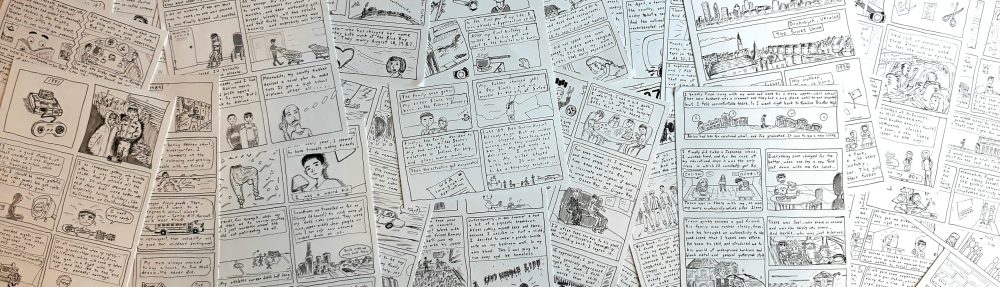


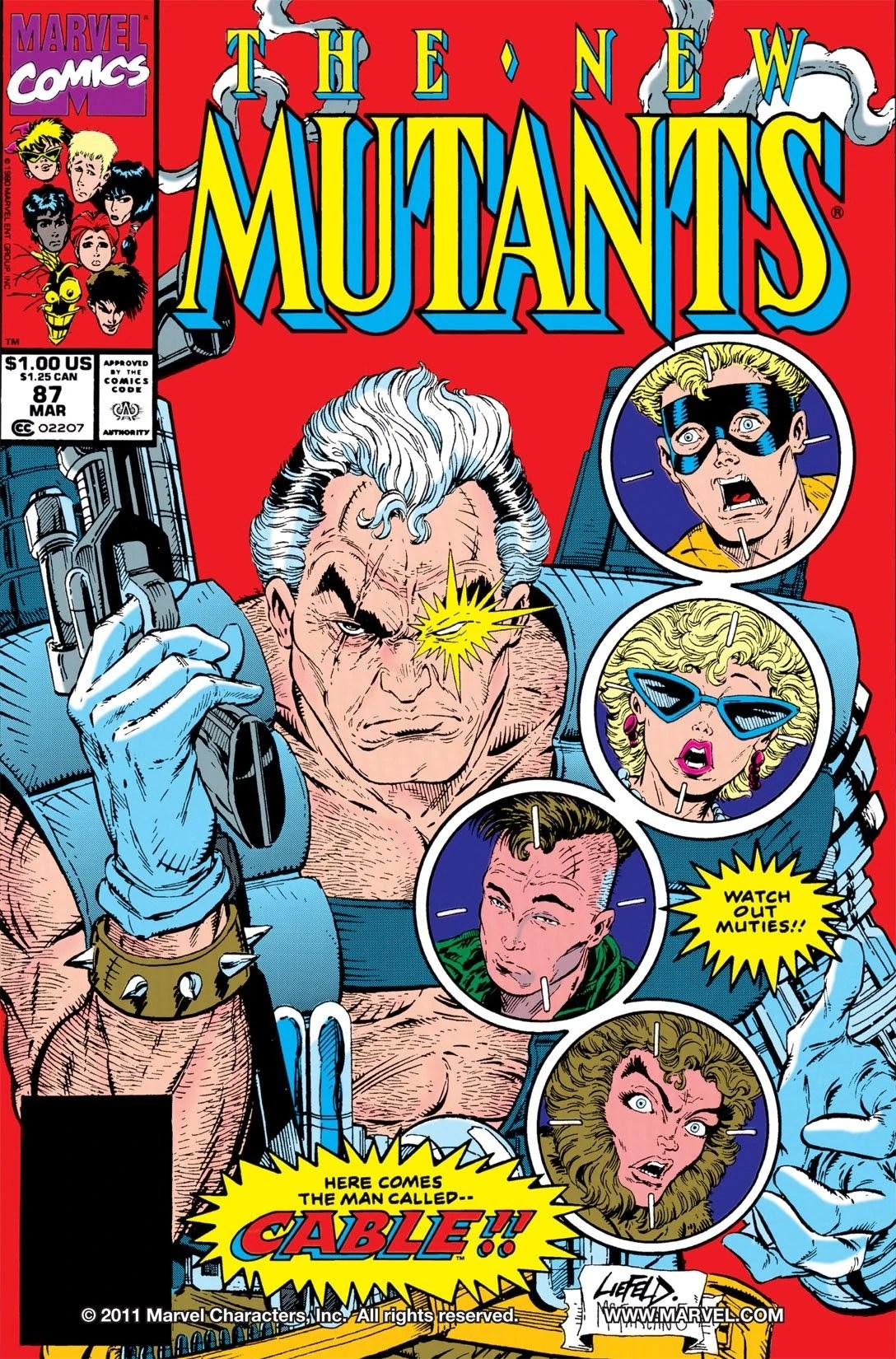


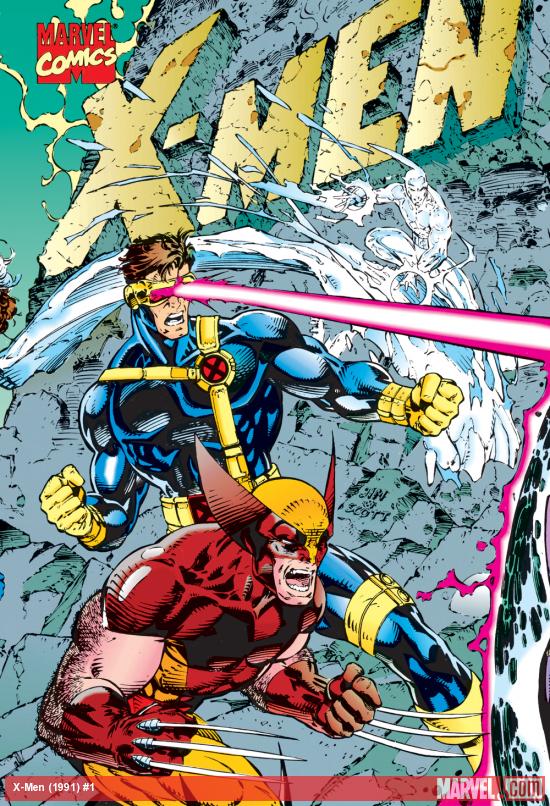

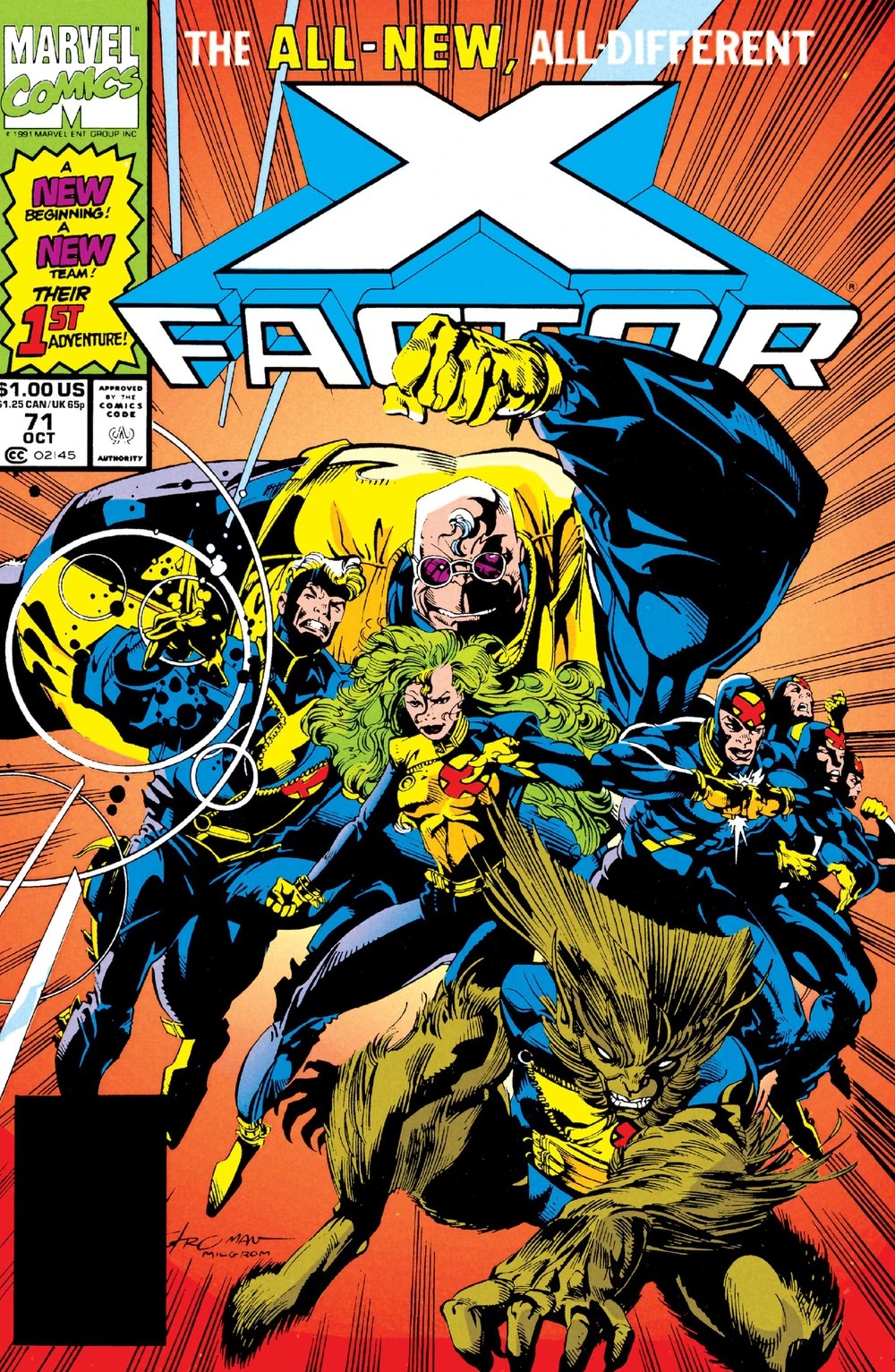

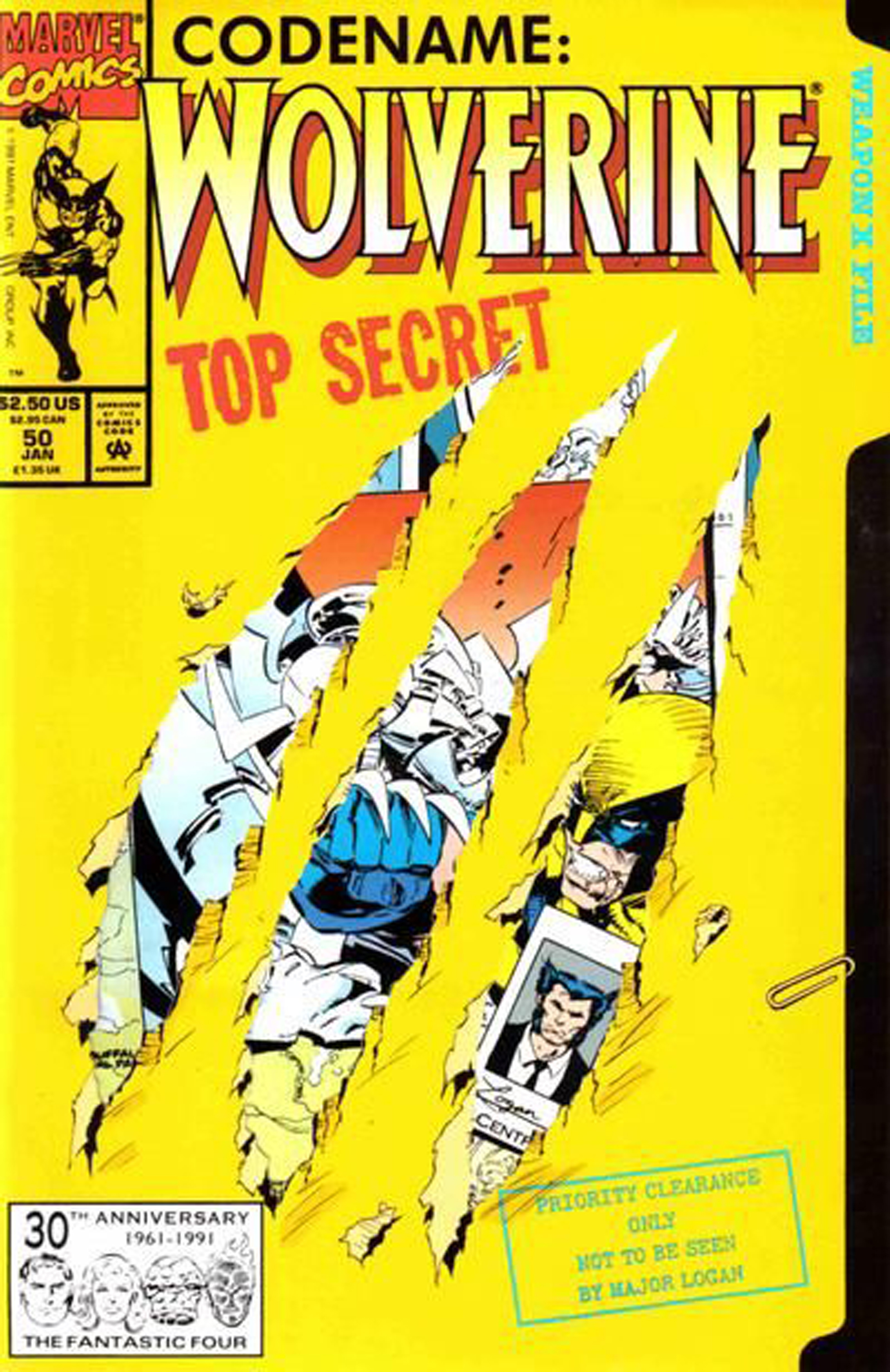


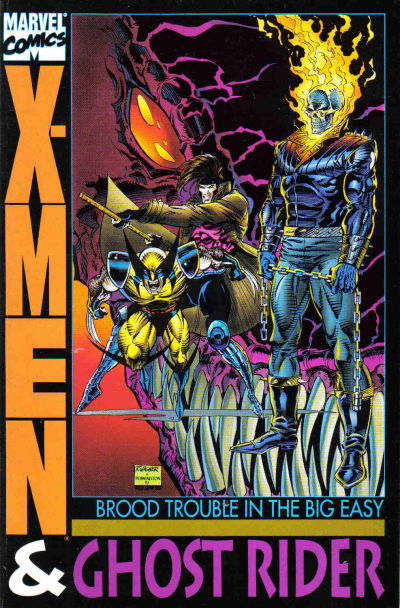


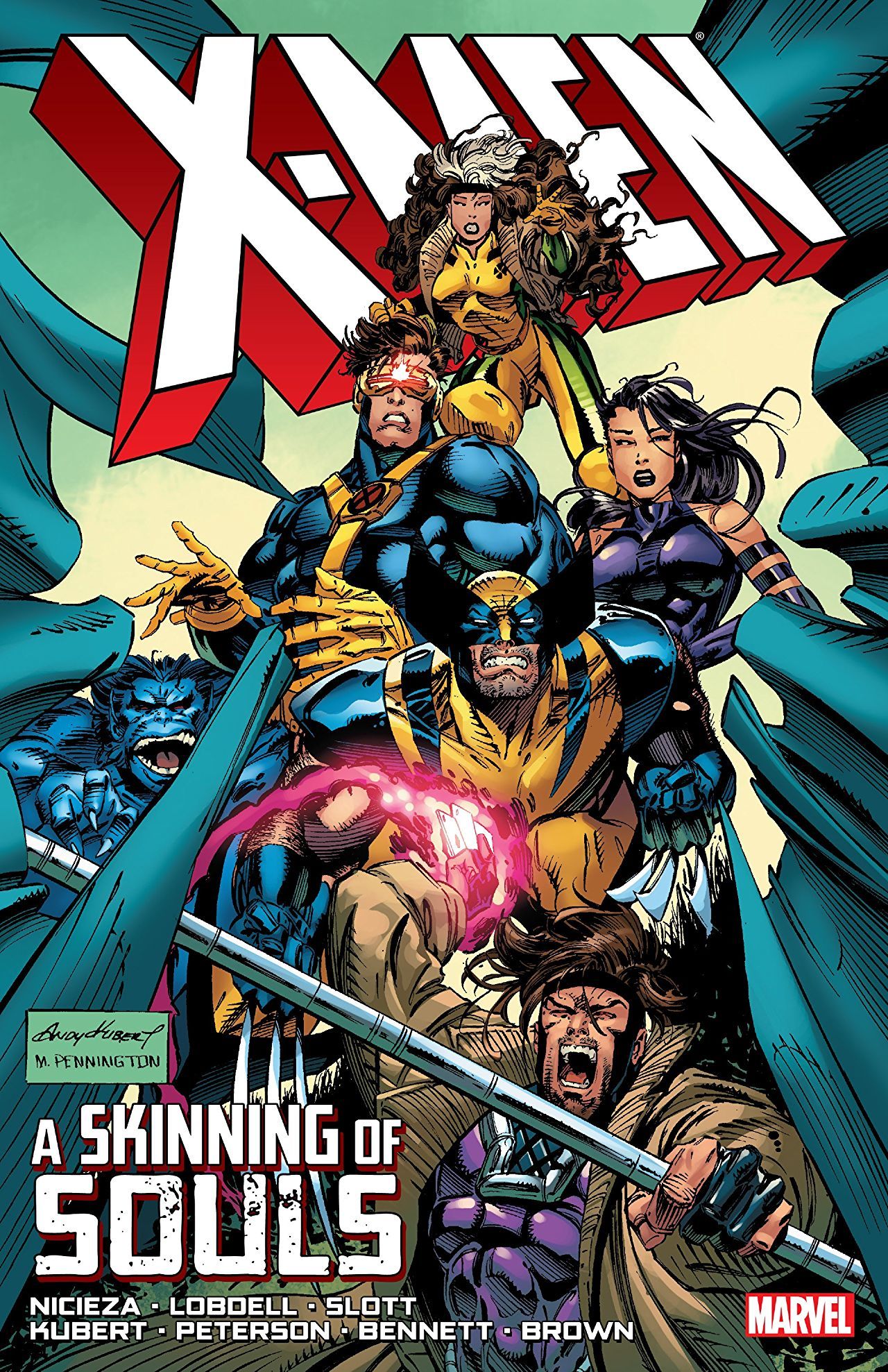


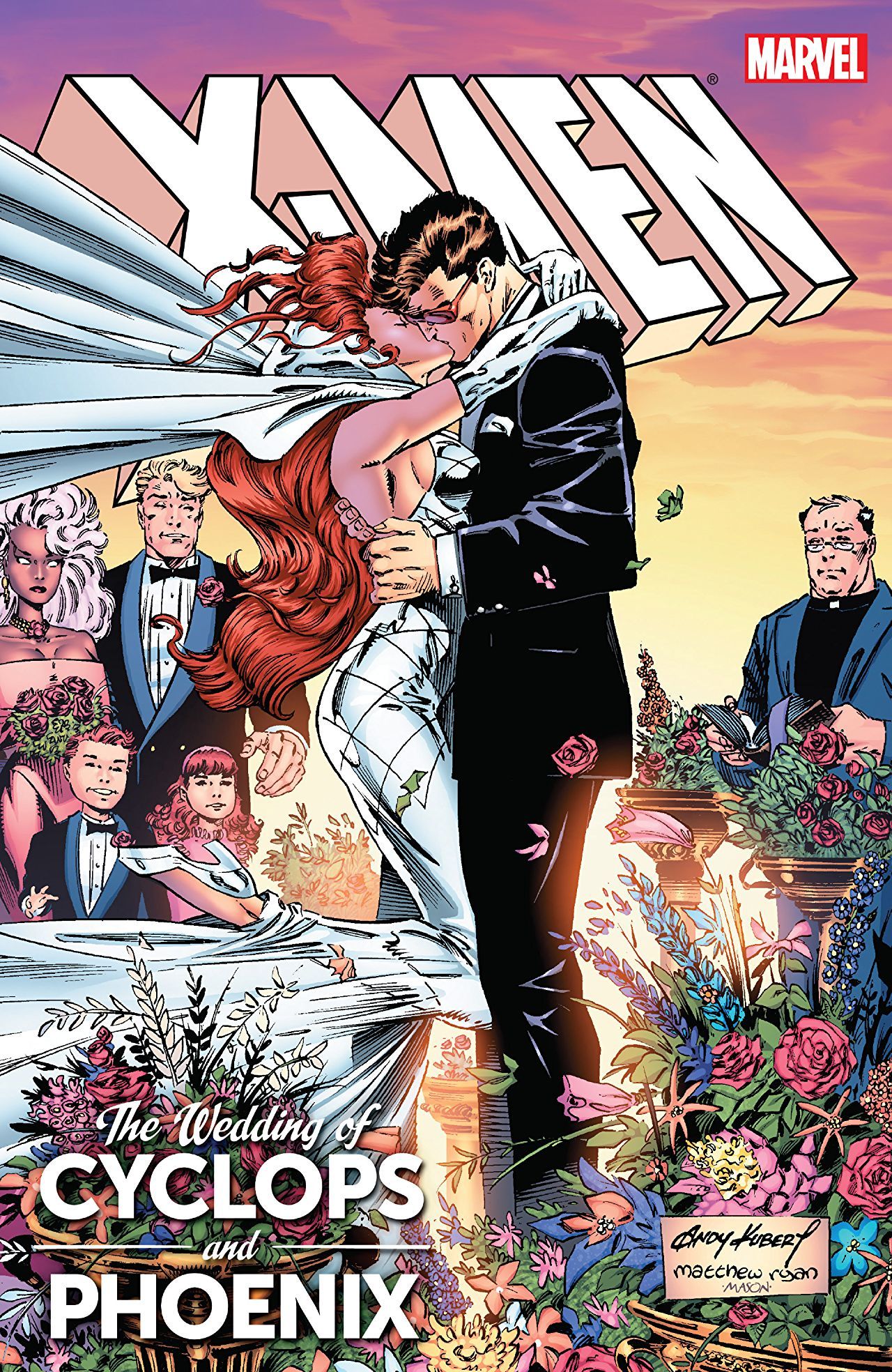

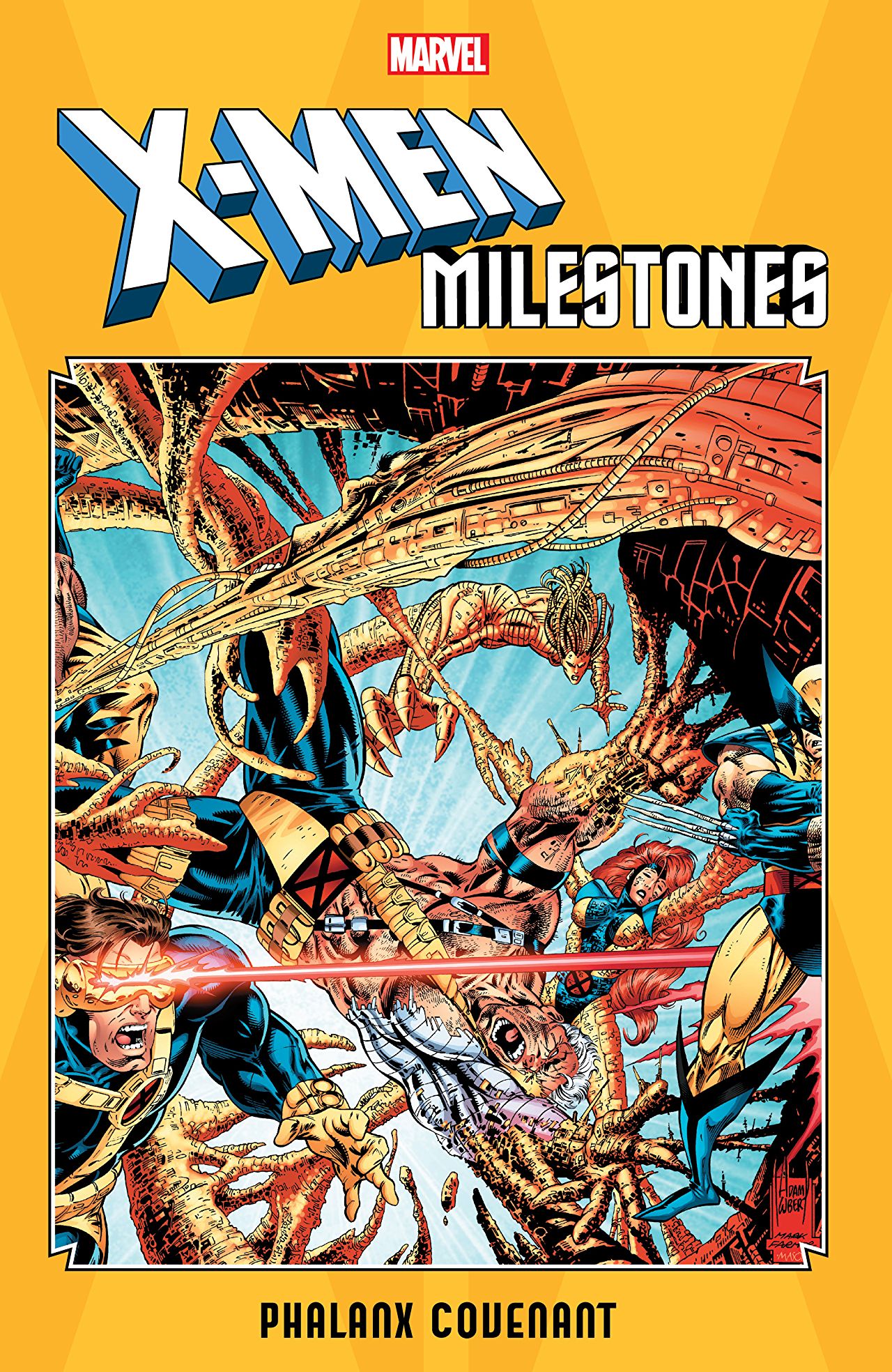

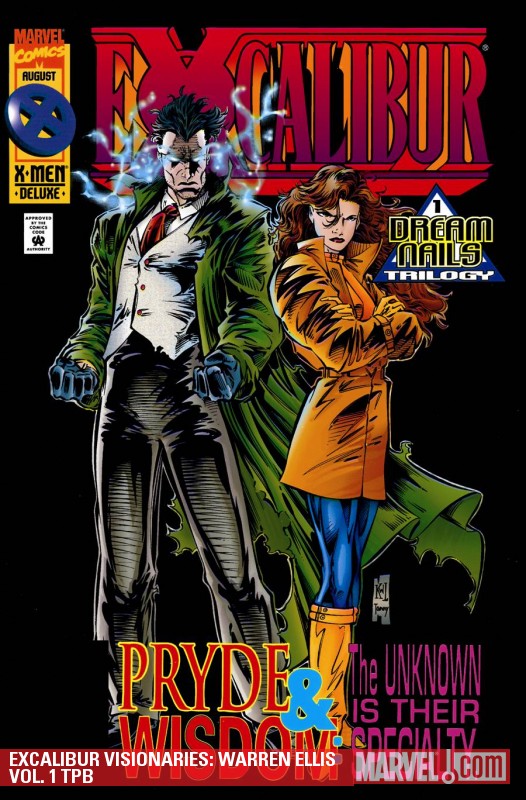






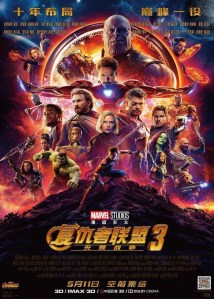
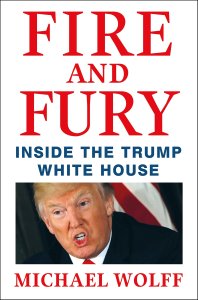
 Ray-Comics