Unknown's avatar

About Ray

Raised in America, from the Midwest to the West Coast on a starchy diet of movies and comics and science fiction paperbacks. There's a Mid-East connection in there too. I write about such states as California and Ohio, and such provinces as Guangdong. Now in Taiwan.

Shenzhen Art 3: B10 “Design Edge: Inside/Outside”

Let us now travel to OCT-LOFT, the creative center of Shenzhen.

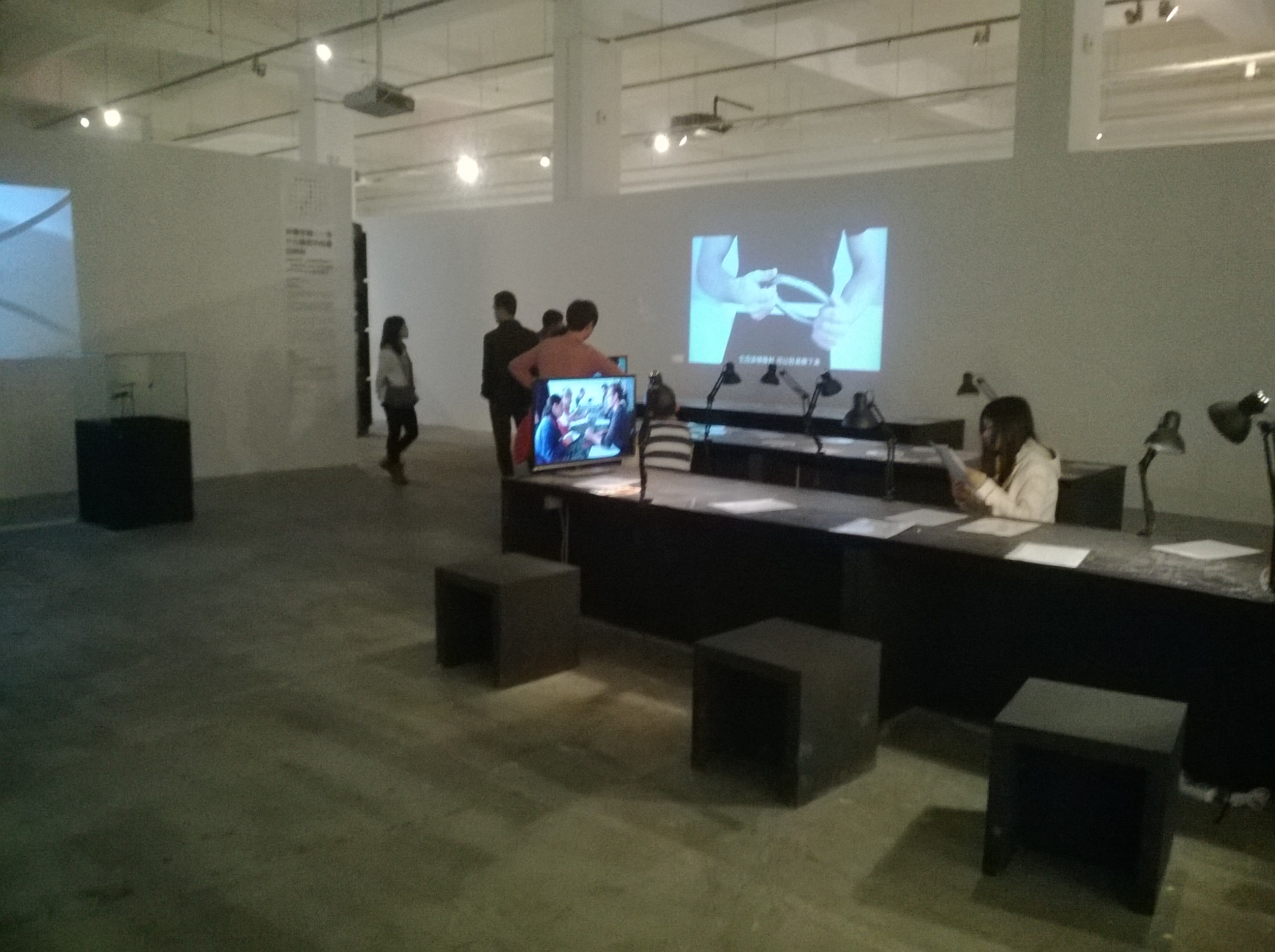
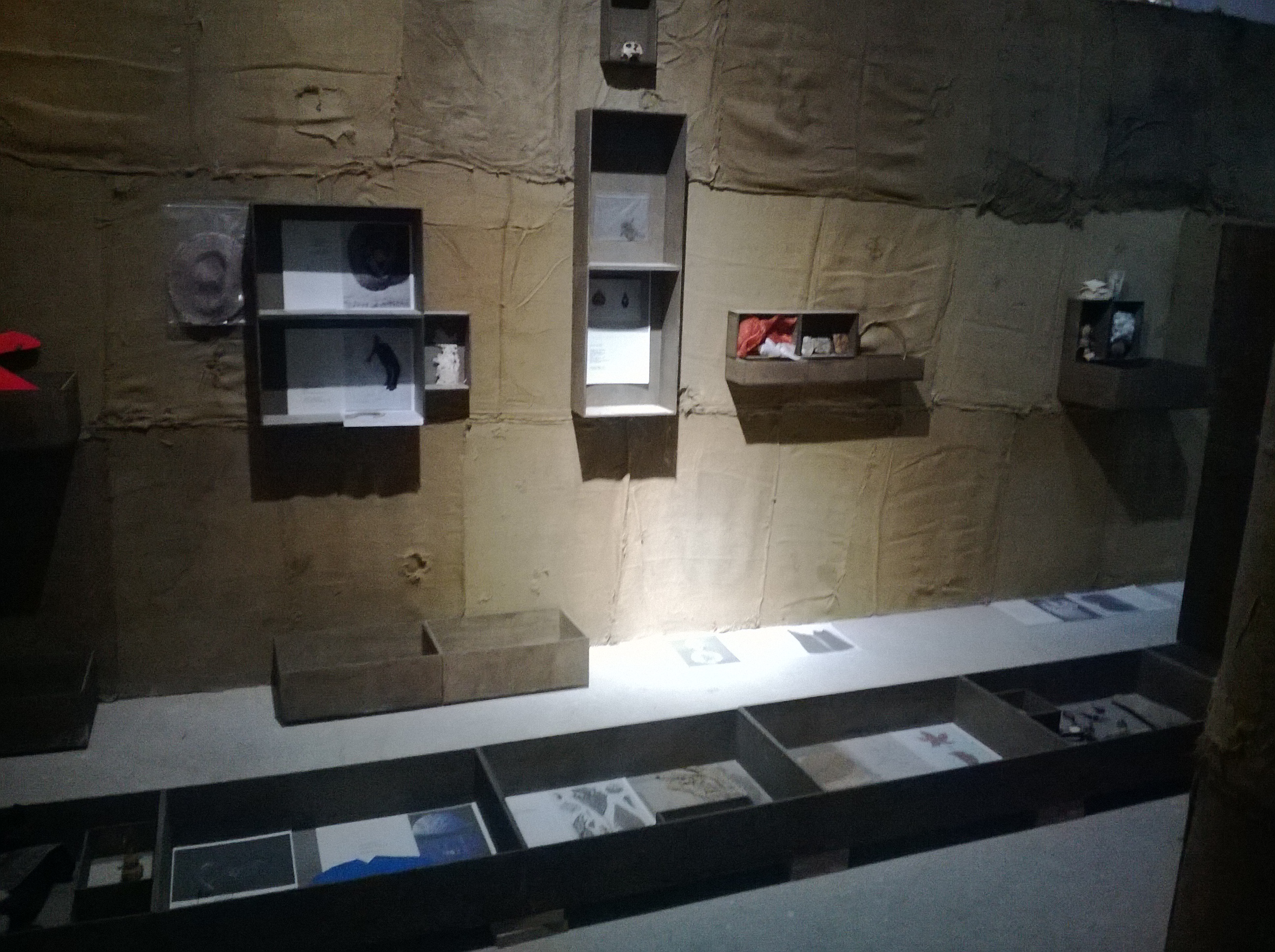
B10 is an amazing warehouse gallery in heart of the ‘hip’ Loft neighborhood. A huge venue, an incredible project. As part of the OCT-LOFT Creative Festival, this exhibition really brings it.

Image

Image

From their publications: 
The “design experimental field” mentioned here contains three levels;
First, the field that breeds design experiments [the lab];
Second, the field that leads to imaginations regarding the future [Utopia];
Third, the field that is reconstructed in the real world [improvement of the present reality]

Ambitious, right!

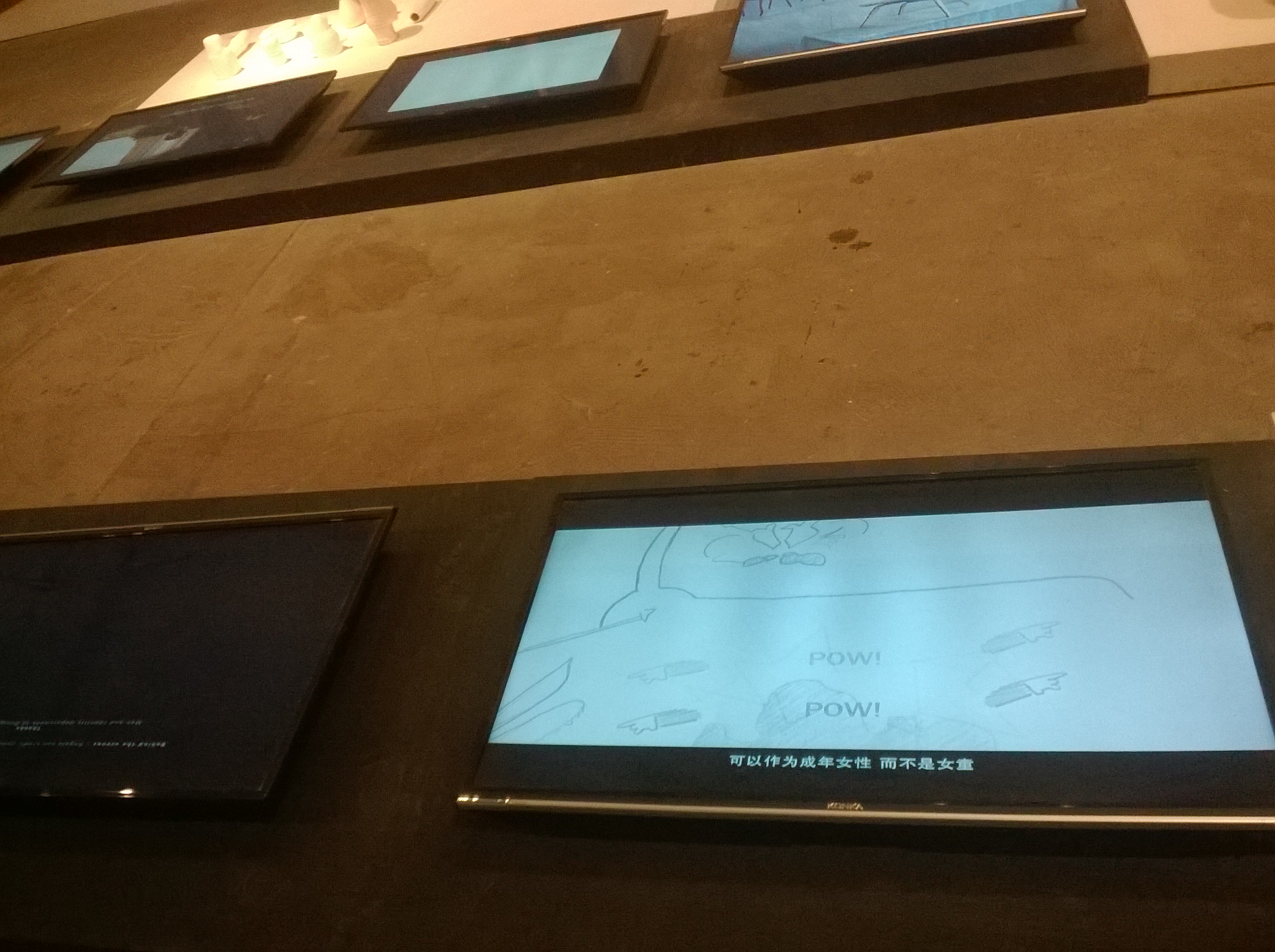
There are nine international design research projects exhibited, hailing for all over the world. Self Unself. Inside the White Wale. Connecting Cities. Fluid Archives – Data Come to Me. Mobile Voices – Projecting the Voices of Immigrant Workers by Appropirating Mobile Phones for Popular Communication. The Museum of the Future 2040. Emotive Environment – Thinking and Creating with Active Materials. Multilingual – Typography. E-embroidery and Interior Embroidery.

Ranging from video art to walk-in instillations, there’s too much to go over in one brief blog. Please check it out in person for more. You have until March 8th…

Image

Image

Image

Image

Image

Image

Image

Image

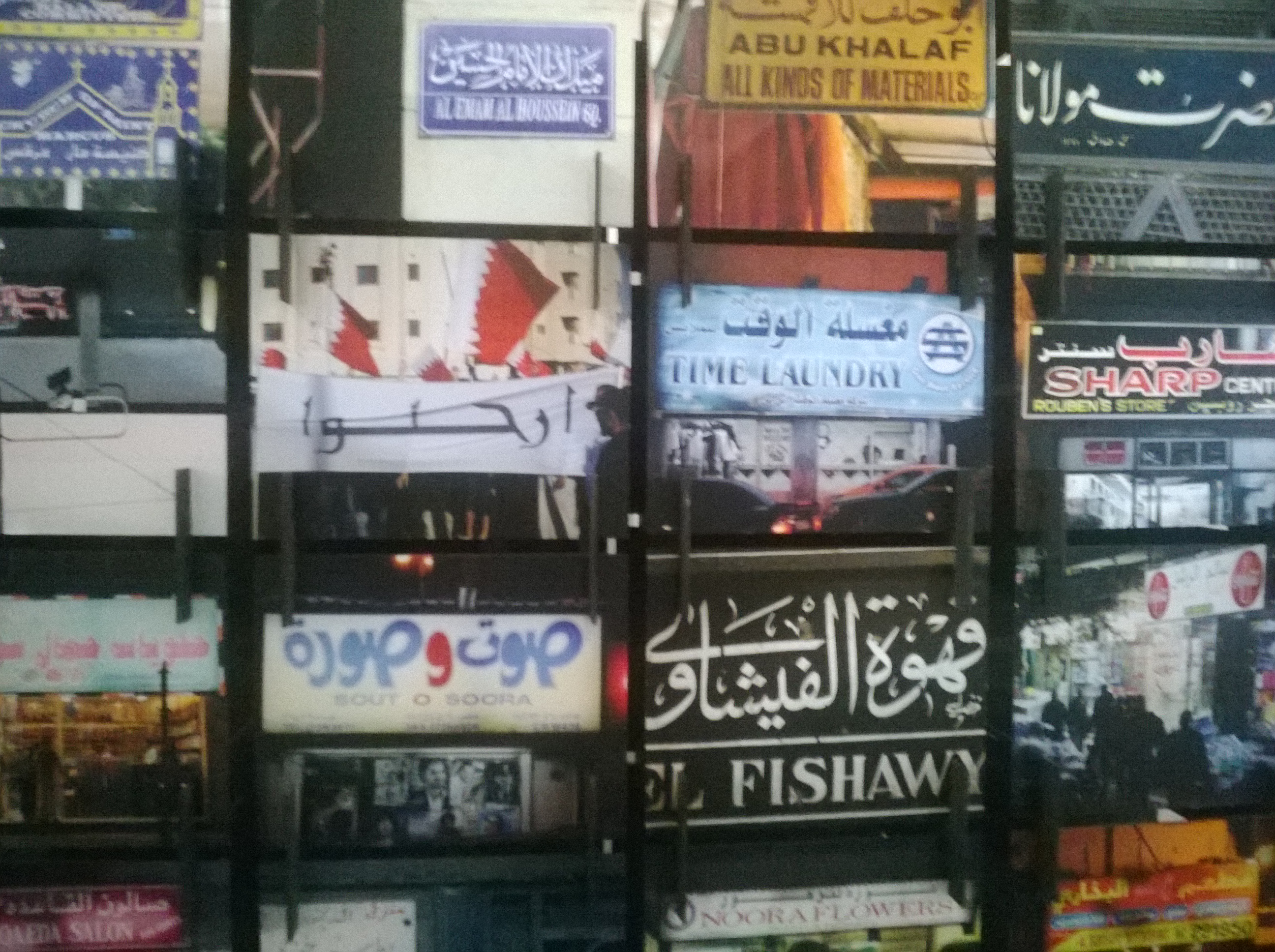
I’d like to add that I was particularly impressed with the Multilingual Typography instillation, brought to you by the Geneva University of Art and Design. I think that it is a very important subject in an increasingly globalized world. Typesetters can’t be pleased with just one language anymore, it’s not enough. And cities like Shenzhen and Hong Kong and elsewhere prove it; modern fonts must be designed with multiple languages in mind. A lot to think about, and a lot to enjoy in these recordings of such.

Image

Image

 Image

Image

Image

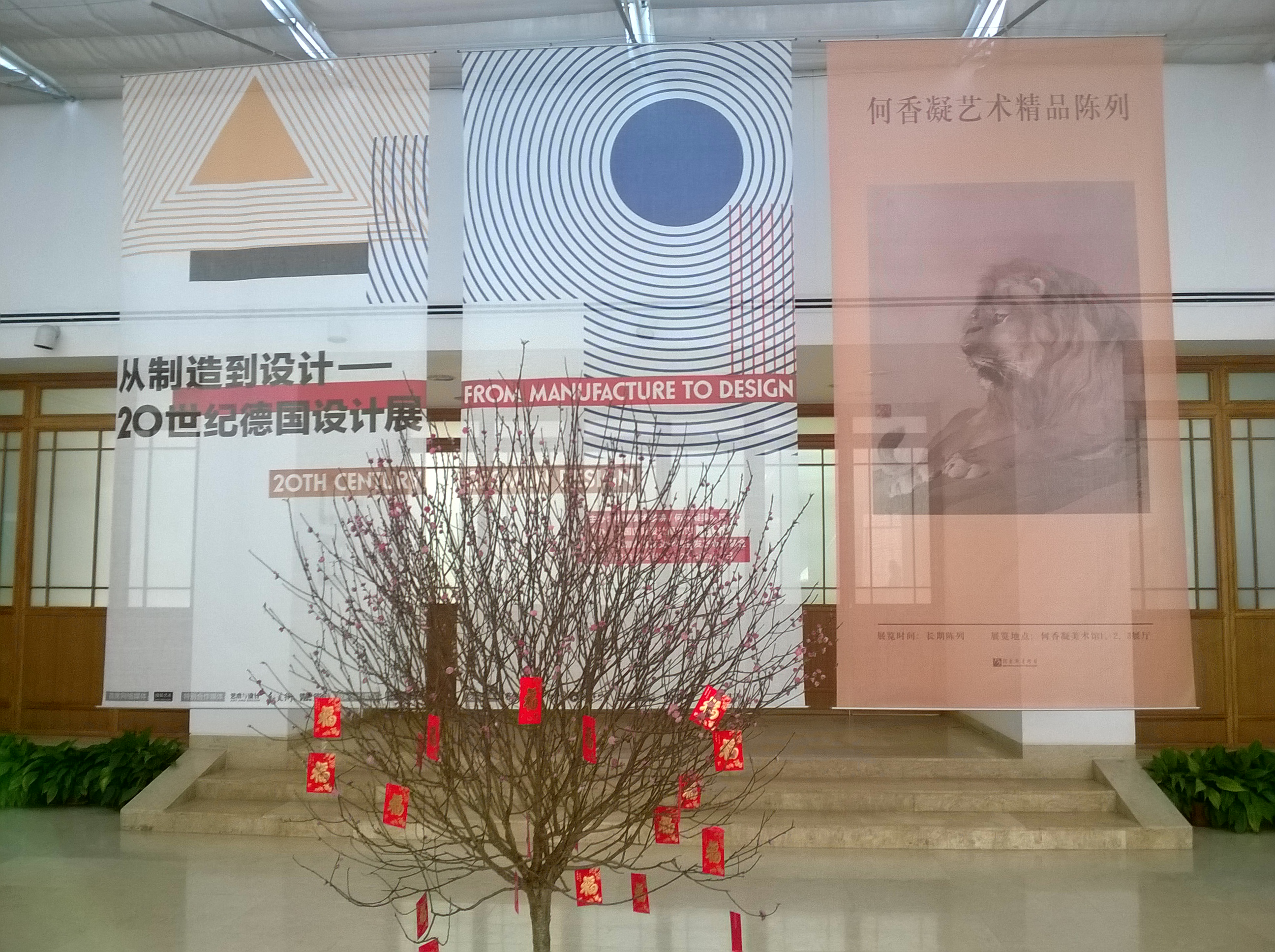
Shenzhen Art 2: He Xiangning 何香凝 “From Manufacture to Design: 20th Century German Design”

On the next installment of my holiday-in-Shenzhen, let us check out He Xiangning (何香凝) museum.

Here is an excerpt from an article I wrote in May of last year about the museum, outdated but some pertinent information: http://szdaily.sznews.com/html/2013-05/03/content_2466061.htm

Right next door and also in the OCT area is the more traditionally styled He Xiangning Art Museum devoted to the artist of the same name, who lived from 1878 to 1972. Born in Hong Kong, she later studied in Japan, and rose to prominence during tumultuous times in Chinese history. The first floor has a section devoted to her hybrid Japanese and Chinese style water paintings, full of mountainside landscapes and poems. The remaining halls are simply titled “Collection of Contemporary Art,” an eclectic mixture of mainland art from classical realism to impressionistic abstract. The second floor includes sculptures and photography, and the present exhibition will continue until this weekend. It all makes for a lovely atmosphere, but unfortunately the museum is not very English friendly and translations are lacking. Open 10 a.m. to 6 p.m. Admission is free.

Closed Mondays by the way.

Image

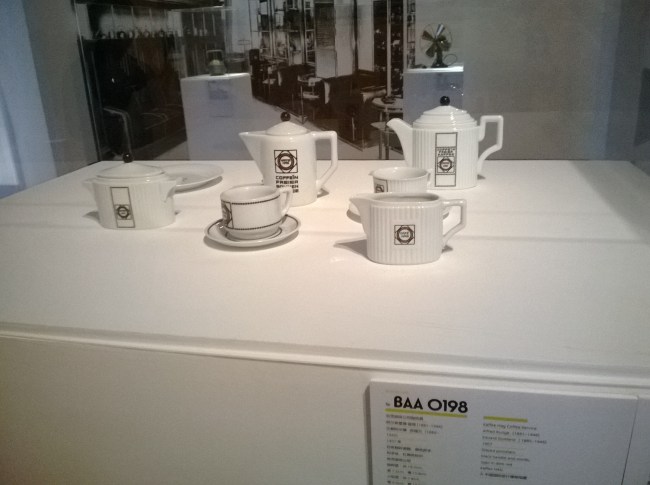
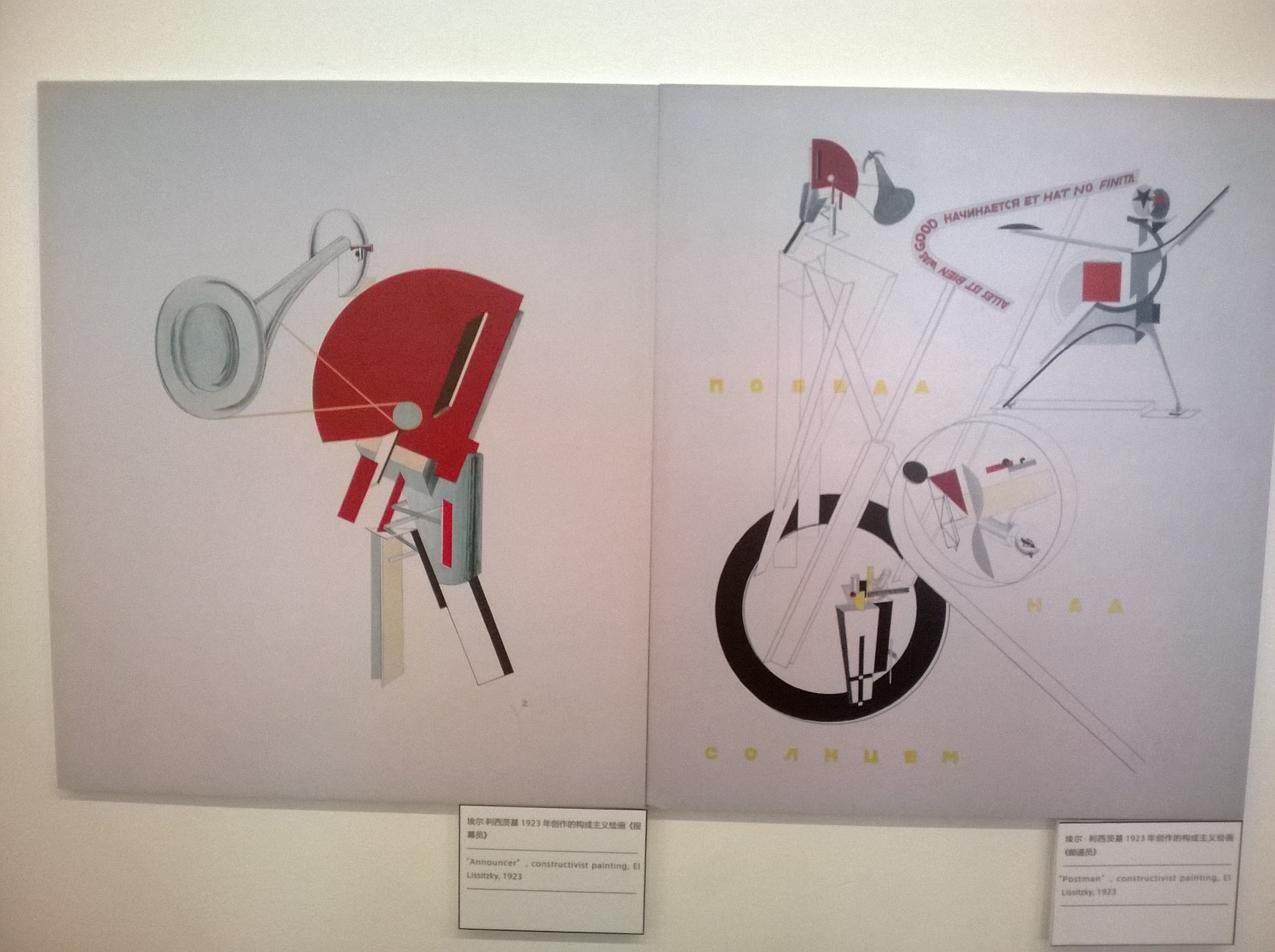
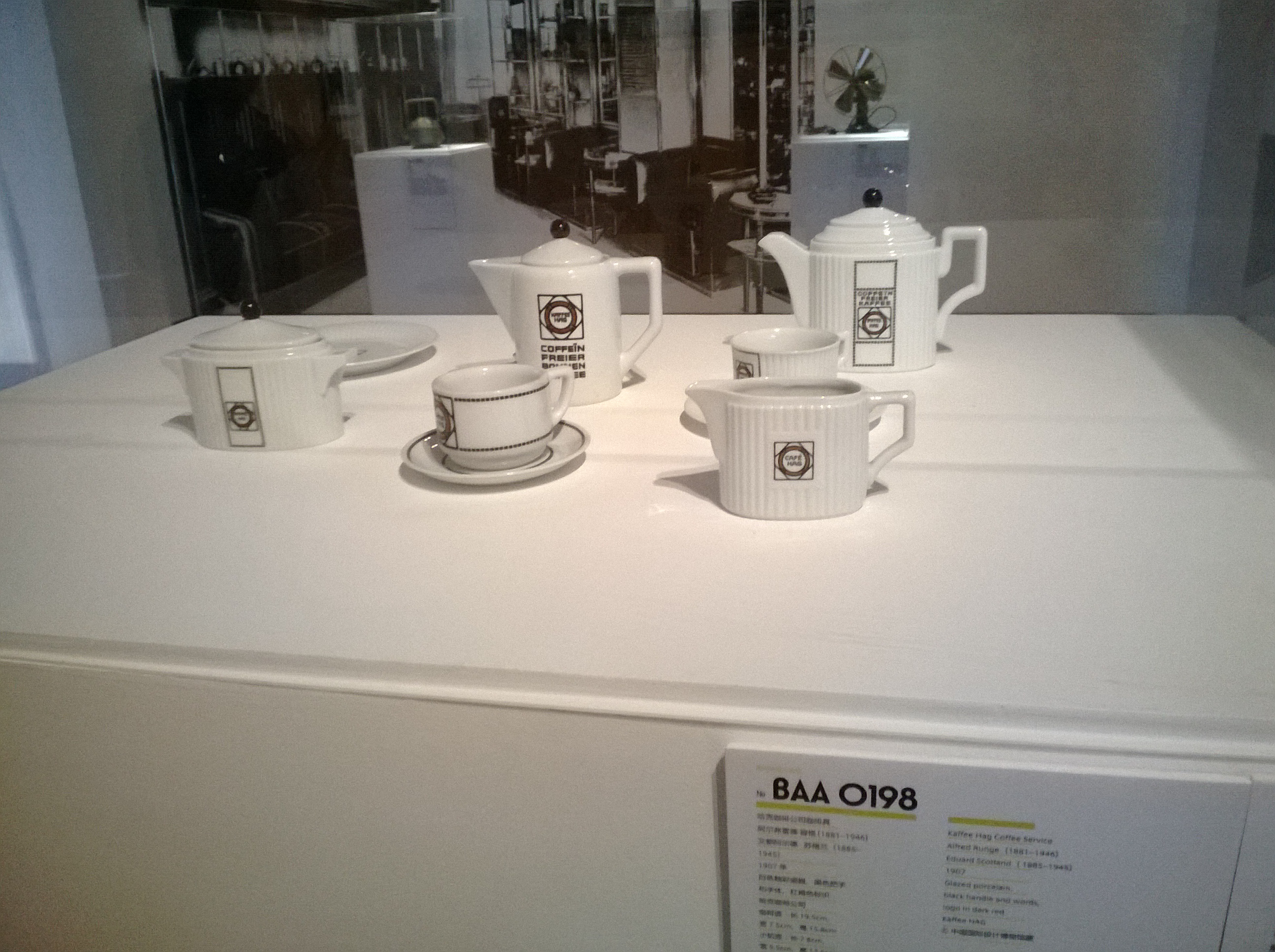
The current exhibition concerns German design through the ages and is quite interesting indeed.

Shenzhen Daily has more, as a matter of fact… http://szdaily.sznews.com/html/2013-12/10/content_2714414.htm

“From Manufacture to Design: 20th Century German Design” in He Xiangning Art Museum narrates the story of Germany’s design success, giving an inspiring overview of the past 100 years.

The exhibits are provided by China Design Museum from the prosperous coastal city of Hangzhou. In 2011, Hangzhou purchased 7,010 pieces of items from German collector Torsten Broehan, including furniture, houseware and posters, dating from the 1850s to the end of the 20th century.

Many of the pieces, which make their public debut in Shenzhen, are considered landmarks of the design industry. One of them is a prototype of the Barcelona Chair designed by Ludwig Mies van der Rohe and Lilly Reich. It was originally designed for the International Exposition of 1929, which was hosted by Barcelona, Spain. The chair’s frame was formed by steel, with a leather cushion above, giving it a smoother appearance. Since 1953, Knoll Inc. has manufactured the chair and copycats also proliferate worldwide. The prototype exhibit in Shenzhen doesn’t have a leather cushion.

“This exhibition focuses on the historical relationship between designers, manufacturers and users. Visitors will be informed about German design’s evolution from a social perspective,” said Zhang, who works for China Design Museum.

The striking feature of the exhibits is their simple and neat modernist style. Zhang said in the early days of industrial development, to meet the need of mass production, German designers had to adopt a simple style.

“Traditional crafts focused on art while industrial manufacture considered techniques. For mass production, designers needed to solve the integration of techniques and art,” said Zhang. “Although Britain was the frontier of the Industrial Revolution, English Arts and Crafts Movement and English Art Nouveau failed to integrate traditional crafts and industrial mass-production techniques, while Germans made it. Germans believed that the Industrial Revolution was basically a reconstruction of productive relations and would finally benefit the masses.”

The exhibition, with more than 100 pieces of work, covers all important periods of German design’s development, including 1899’s Darmstadt Artists’ Colony, 1907’s Deutscher Werkbund (German Association of Craftsmen) and the Bauhaus school of 1919. The two associations and the school were the driving forces in Germany’s modernism in the early 20th century. Outstanding designers included Peter Behrens, Ludwig Mies van der Rohe and Walter Gropius.

Darmstadt Artists’ Colony was the center of German Art Nouveau and the earliest group of designers to experiment the combination of crafts and techniques. The Deutscher Werkbund was meant to establish a partnership of product manufacturers with design professionals to improve the competitiveness of German companies in global markets. One example was Behrens’ pioneering industrial design works for the German electrical company AEG, which successfully integrated art and mass production on a large scale and developed a consistent corporate identity.

Bauhaus was founded amid the ideas of rational, functional and standardized manufacture. The school was famous for not only the approach to design it taught, but also its experimental workshops which focused on practice.

When Bauhaus was closed under pressure from the Nazi regime, who claimed that it was a center of communist intellectualism, some designers and manufacturers had to leave Germany and immigrated to the United States, which helped take German design concepts to the world.

Apart from showcasing products, the Shenzhen exhibition also displays German efforts in promoting a lifestyle to the world. The Deutscher Werkbund’s motto “from sofa cushions to city-building” indicates the integration of products and life, promoting a better way of living. The association also held a string of renowned industrial design exhibitions, such as the Cologne exhibition in 1914. The acceptance of modernist design into everyday life was the subject of all these publicity campaigns.

In less than 100 years, Germany used clean-lined designs, standardized manufacture and newly developed materials to put itself on a competitive footing in the world.

Image

Image

Image

Image

Shenzhen Art 1: OCT Art & Design

Having stayed in Shenzhen during the Spring Festival holiday, I decided to play the tourist in my own city. I went from museum to museum, getting my art on and trying to find my own creative inspiration.

It’s been said many times before that Shenzhen has no culture, but we all know that not to be true…

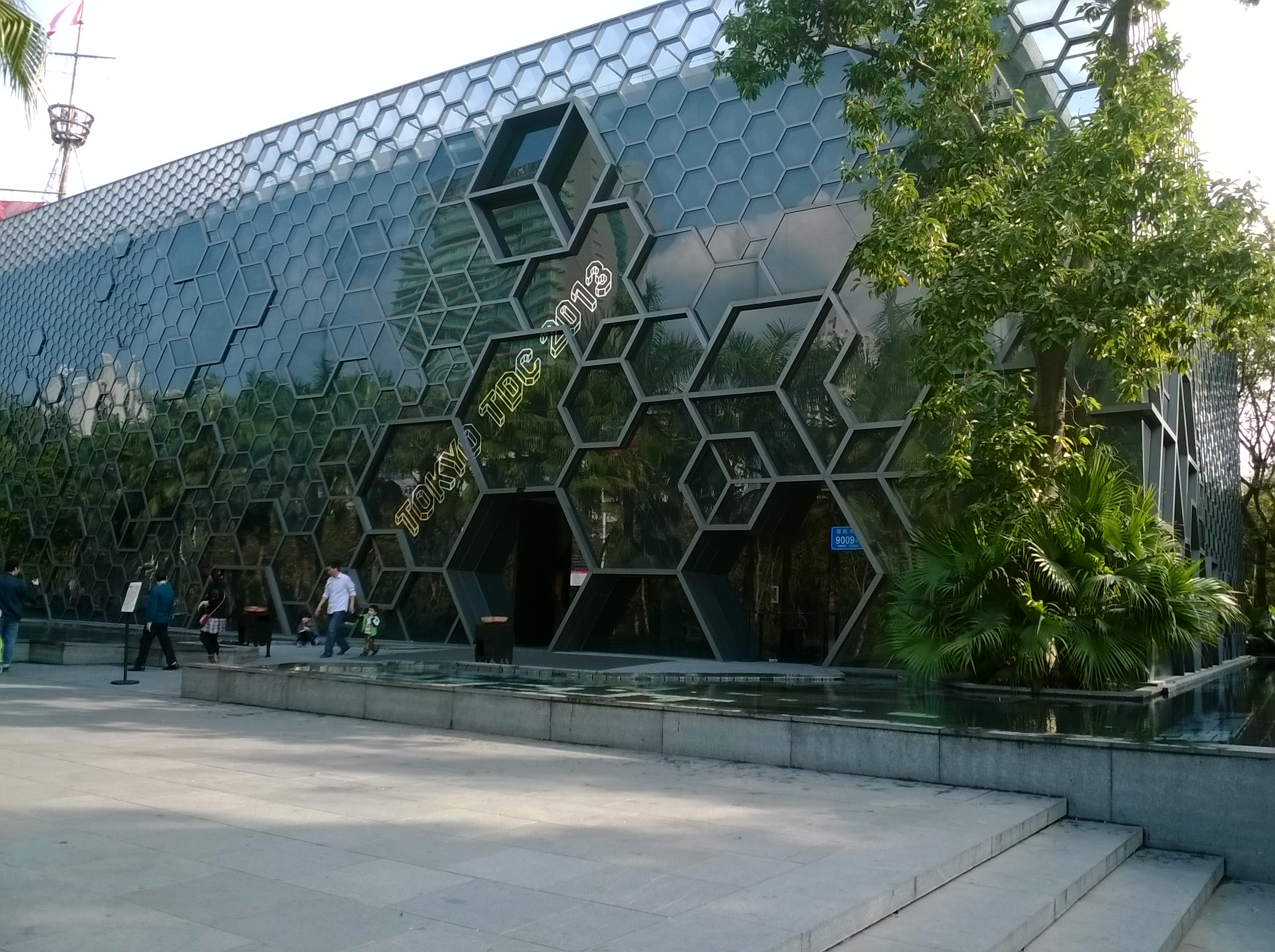
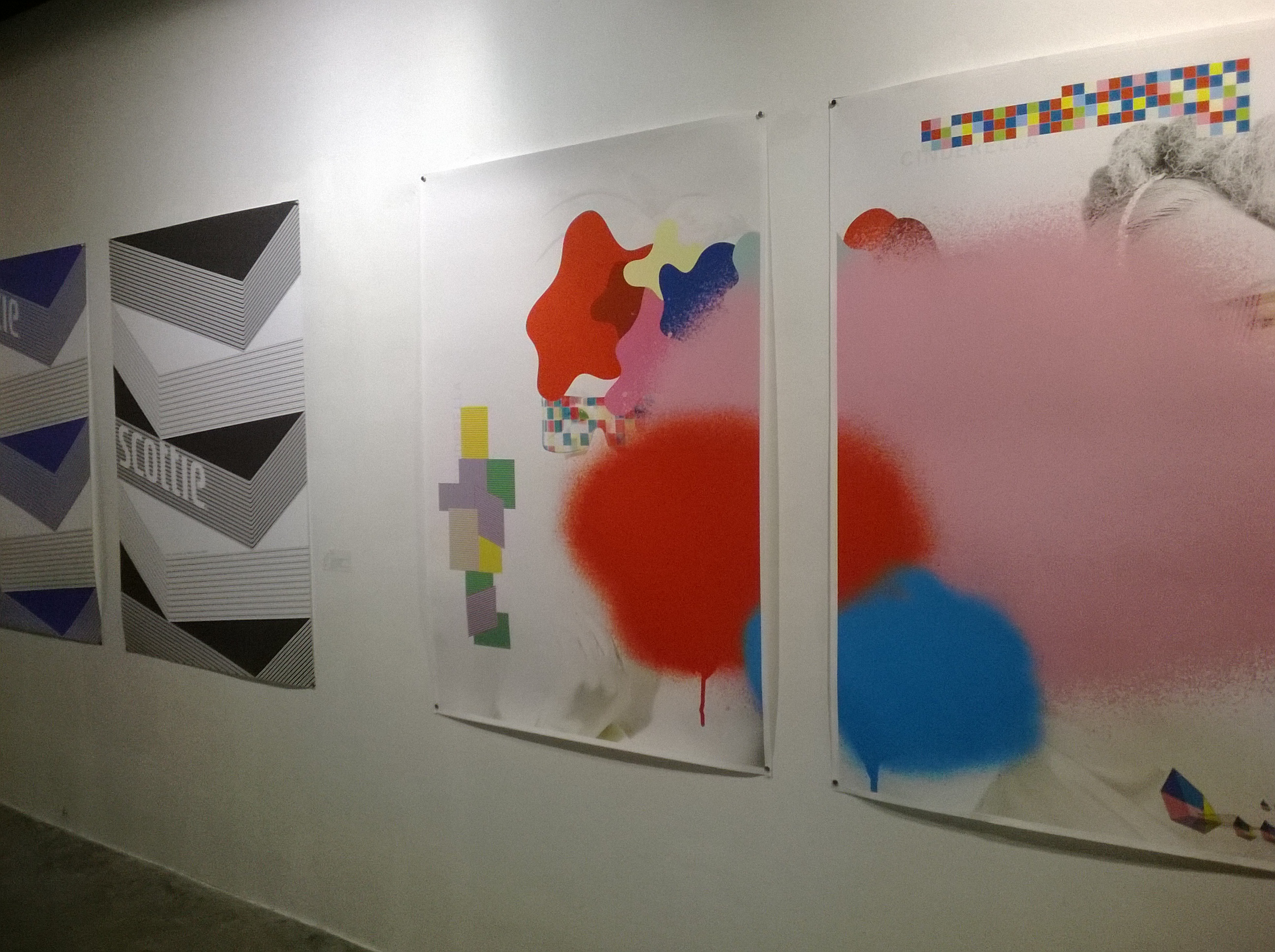
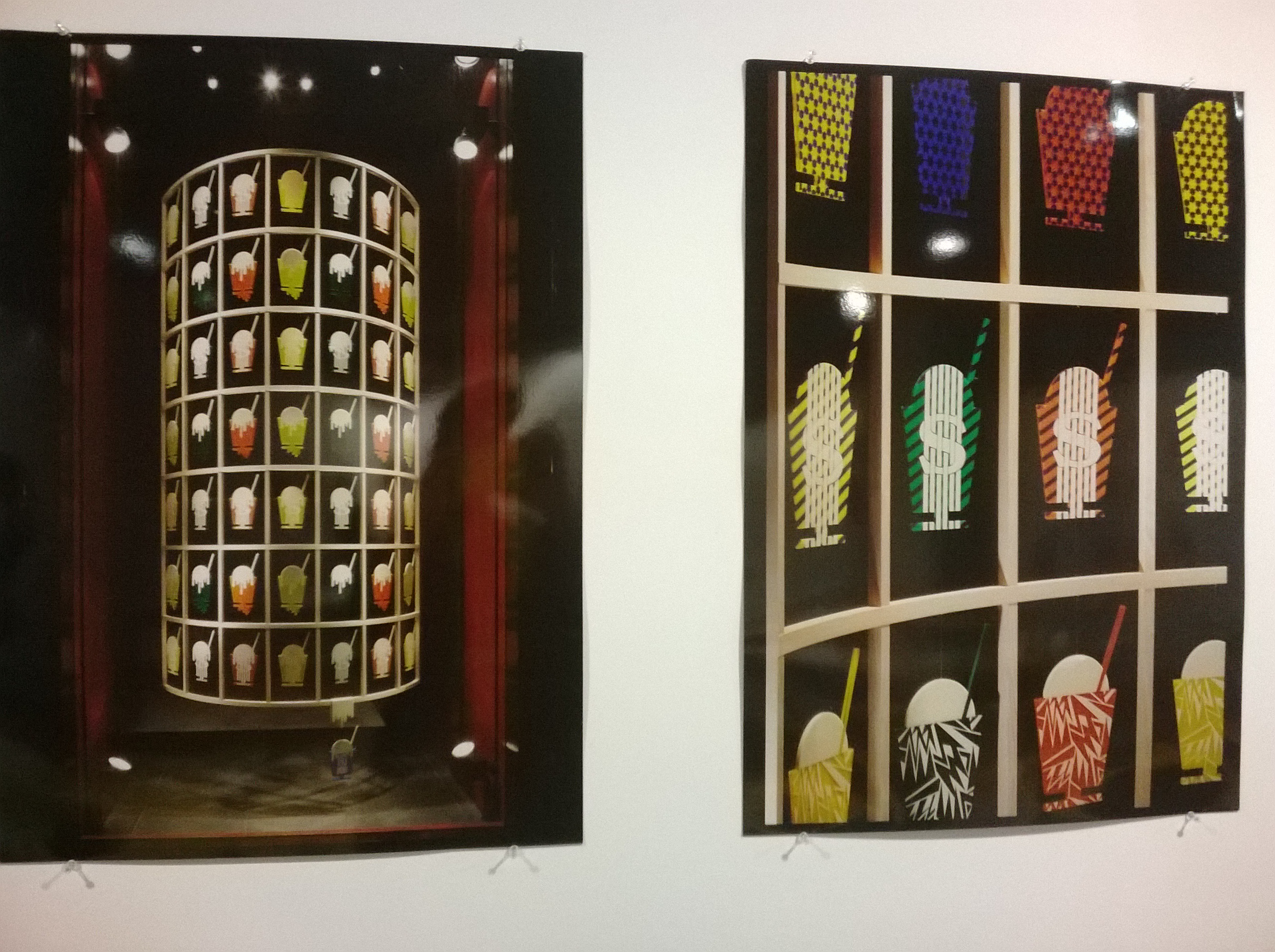
This first installment is the OCT Art & Design Gallery. Featuring various winners of Tokyo’s TDC competitions, all focusing on modern design. At a cost of only 15 to enter, it’s always worth a look!

Image

Here is an excerpt from my museum article published last year for Shenzhen Daily, concerning OCT Art & Design: http://szdaily.sznews.com/html/2013-05/03/content_2466061.htm

(However, note that it may not be up to date)

On the other side of the district, bordering Nanshan, is Overseas Chinese Town, also known as OCT. Rich in creativity and hip design studios, several art galleries are located in the area. Adjacent to Splendid China is one of the best — OCT Art & Design Gallery. The building itself is totally avant-garde, a large black glass building held up by steel hexagons. With a focus on powerful contemporary design and hosted by Tokyo Type Directors Club/TDC, the gallery is full of nominees for their annual prizes. The subject matter is very diverse, including book design, typography, catalogues, record sleeves and other products. The first floor is especially concerned with fonts, and also has video installations featuring music videos by Icelandic pop star Bjork and Japanese rock band Androp. The second floor has posters, newspaper ads, bags, logotype, stationary and packaging, with designers from such countries as Britain, Russia, and Japan. The sparse third floor showcases the winners of the TDC prizes, from 2002 to the present. Open 10 a.m. to 5:30 p.m. The price of admission is 15 yuan (US$2.4), 8 yuan for students. Admission is free for all on Tuesdays.

Image

ImageImageImageImageImageImage

Image

In case you missed it: Chinese copycats target the Colbert Report

In case you missed it: Chinese copycats target the Colbert Report.
TheNanfang.com

Chinese bootleggers have done it again. American satirist Stephen Colbert was recently surprised to find that the Chinese news comedy show the Banquet (夜宴) has completely plagiarized his opening. From the epic “Iron Man jump” graphics to the theme song, “Baby Mumbles” by Cheap Trick. It’s a total knockoff.

http://www.colbertnation.com/the-colbert-report-videos/432450/january-23-2014/china-s-colbert-report-rip-off

The Colbert Report
Get More: Colbert Report Full Episodes,Video Archive

Keeping in with his television character, Colbert’s vain persona was very happy to reach the potential Chinese audience of 400 million. “Folks, this is nothing more than wholesale theft… and I love it.” Colbert proceeded to hilariously pander to Chinese audience, sarcastically of course, by making them more comfortable with some familiar smog.

But Colbert (or his writers) made a bit of a laowai mistake, saying mantouare eggs.

He concluded by demanding that the Banquet invite him to China. Let’s wait and see if they take up his invitation.

The Atlantic has reported that some Chinese netizens were not amused. “This is down-right plagiarism: Absolutely shameless. I hate this kind of thing,” said a young woman on Weibo. “With the great popularity of The Colbert Report, don’t you know how easily Colbert can make a laughingstock out of China, and ensure the whole world knows about it?” remarked ‘Coolgirl1982’.

The Banquet apparently has taken those critiques into consideration and now has a new intro. Meanwhile, American comedy does seem to be growing in popularity in China. Saturday Night Live now being legitimately streamed on Sohu with official Chinese subtitles.

In 2012 fellow late-night host Conan O’Brian was also copied by Internet show Dapeng. He took it rather well after an apology was given and actually offered a free opening graphic for the perpetrator.

As the English chengyu goes, imitation is the sincerest form of flattery.

Also on The Nanfang:

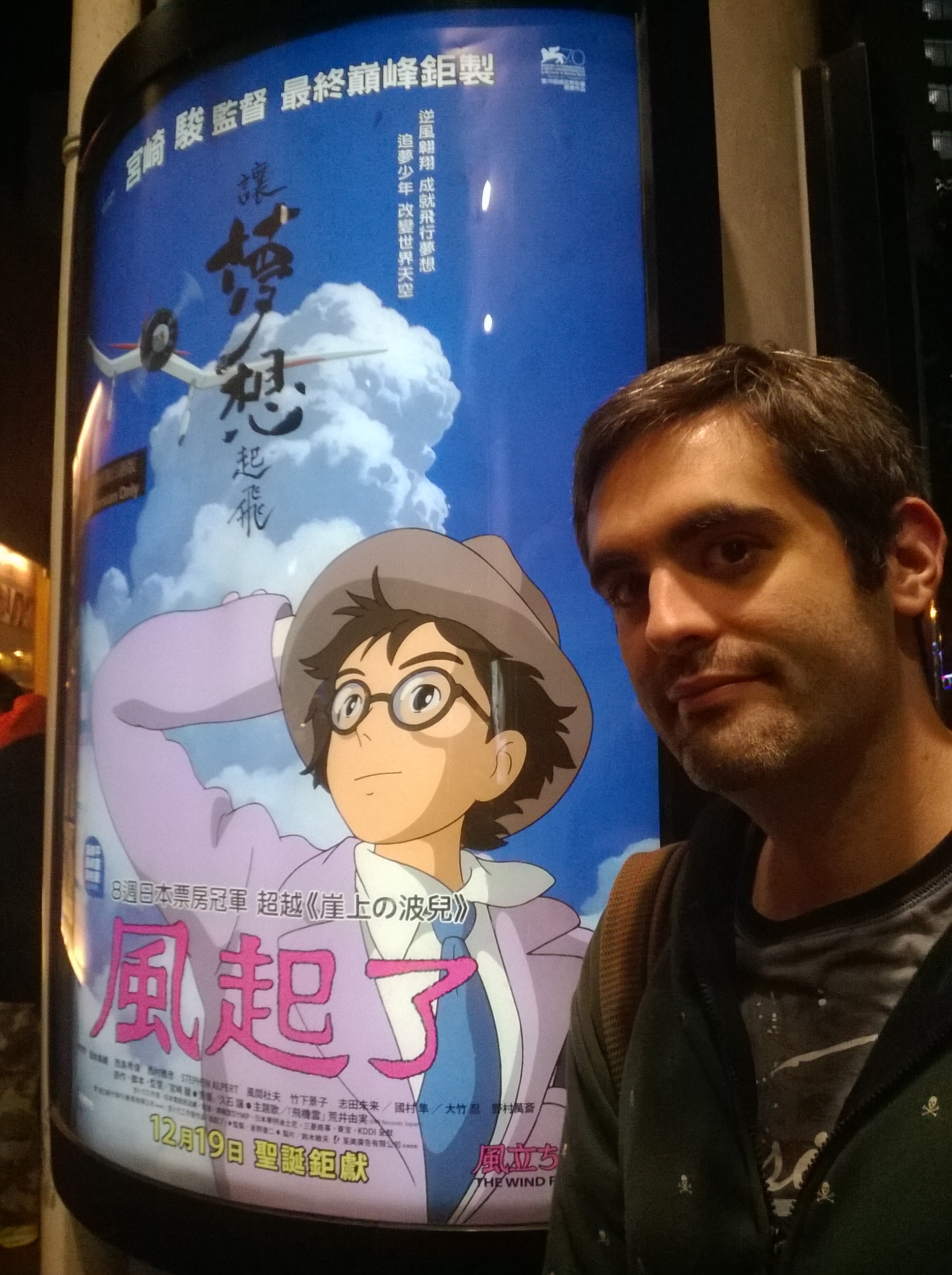
Film Review: The Wind Rises

My review of Hayao Miyazaki’s final film, the Wind Rises

Written for Shenzhen Daily, screening in Hong Kong

http://szdaily.sznews.com/html/2014-01/03/content_2743272.htm

Image

WHEN legendary Japanese animation director Hayao Miyazaki announced his retirement earlier this year, his latest film “The Wind Rises” took on a new meaning and received scrutiny as his swan song.

It’s a beautiful, almost flawless film. But the realistic style is a bit of a departure for the director. Unlike the more fantastical films for which he is most famous, such as “Spirited Away,” there are no mythical creatures in “The Wind Rises.” It lacks the environmental messages of “Princess Mononoke” and “Nausicaä of the Valley of the Wind,” and it’s very much a film geared towards adults, without the childish wonder of “My Neighbor Totoro” and “Kiki’s Delivery Service.”

On its own merits, it is an excellent film. A biopic of early Japanese airplane engineer Jiro Horikoshi, “The Wind Rises” may not always be historically accurate but never fails to make the audience care deeply about the lead character. If it was live-action it would surely be taken seriously by all critics. But as a Miyazaki film, it must be compared to his other masterpieces, and even if it’s not his best, it’s still a quality story with far more heart than the vast majority of animation coming out of Japan or America or anywhere else.

The tale opens within the childhood dreams of the young engineer, and the various dream sequences are among the loveliest animation visuals ever seen — and noticeably without the use of computer-generated effects. Dreams play an important role throughout the story, as Jiro Horikoshi repeatedly goes back to the same mystical land of not-yet-possible flying machines and even meets his idol, Italian engineer Giovanni Caproni. It is left unclear as to whether there is something supernatural going on or if it’s only in his imagination. The greater point is that everyone should embrace their dreams.

The boy soon becomes a man, and on a train ride to his university in Tokyo he experiences the devastating violence of the Great Kanto Earthquake of 1923. The scene is powerful, sometimes beautiful and sometimes terrifying, as the landscape bends and curves into impossible shapes. The sound effects are all done by human voices and it’s very jarring to hear such a unique style rarely heard in film.

Eventually Horikoshi rises to the top of his engineering firm, falls into a tragic love as his wife slowly dies of tuberculosis, and designs planes for the military. The film has courted controversy in certain ways; there is ample smoking, which some critics have said is not appropriate for child viewers. More importantly, others question why Miyazaki has apparently made a film that seems to promote the era of Japanese militarism.

But it’s not that simple. Miyazaki is known to have a pacifist stance and has repeatedly promoted peace and cultural exchange with his Japan’s neighbors. In July, on the topic of the Abe Administration and nationalist politics, he was quoted as saying: “Changing the constitution is completely unthinkable.”

In fact, his entire film expresses a great sense of inner conflict over his nation’s evolving identity. There was a rush for development at the time as the recently opened-up country tried to catch up with the Western powers, by means of advancing their military technology. The engineers in the film constantly take note of this unfortunate state of affairs. Yet Horikoshi’s character is a peaceful man who stands up to bullying and always takes care of the weak.

In one scene, he meets a kind German man who insists that Hitler’s Germany is run by thugs and will “blow up,” and then Japan itself will “blow up.” In another scene, the main character must hide from the secret police as they arbitrarily arrest innocent citizens. Most poignant of all, during one meaningful dream sequence Caproni specifically states: “Airplanes are not tools for war. They are not for making money. Airplanes are beautiful dreams.”

“The Wind Rises” is not a story about a simpler time. Japanese fascism is an inescapable backdrop to the period and the horrors of World War II in the Pacific region are always looming. While the central character’s arc is most important, the setting cannot be forgotten. “The Wind Rises” is ultimately a complex story about tough choices, and about a man who has a dream but must make sacrifices, as he makes compromise after compromise with his ethics, his country and his loving wife.

Miyazaki has said he was inspired to make this film after reading a quote from the real-life Horikoshi: “All I wanted to do was to make something beautiful.”

As for the acting, Hideaki Anno — a much esteemed animator in his own right, mainly noted for the “Evangelion” franchise — voices the lead character. It’s an odd choice. Anno is not particularly known for his voice-acting. But Horikoshi is meant to be an awkward man and stands apart from the people around him, and Anno expresses that well.

Hayao Miyazaki has now retired. His own legacy will live on via Studio Ghibli, which will continue to produce the finest in animated storytelling. Some films will even be directed by Miyazaki’s own son, Gorõ. But Miyazaki himself will never be replaced, and fans shall always miss this master director, who has taken a memorable bow with this final film.

“The Wind Rises” is screening in Hong Kong with Chinese and English subtitles.

Free download of my first novel

Please take a look at my first novel from all those years ago, Loser Parade.

Coupon code for free download: CB93G

https://www.smashwords.com/books/view/390703

“Fenton Ota is at his wit’s end. After not making it big as an actor in Hollywood, he’s forced to return to his hometown of Cincinnati, Ohio with his tail between his legs. Once home, he embarks on a creative journey of lies and (failed) attempts at brilliance, as he struggles to produce a postmodern metafictional play, all for the love of a girl…”
Loser Parade cover
“Fenton Ota thought he would have been more of a success at this point. What happened? He finds himself in Los Angeles an utter failure as an actor, and in the end there is nothing he can do but call Mom and go back to Ohio. The shame!What is it they say about how you can never go home? He reconnects with old pals, struggles to build himself up, and eventually embarks on a new goal: writing and directing his own play. Ostensibly based on his own “experiences.” Based on this author’s experiences. Writing about the fictional character who is him, writing about this author, writing about him, and so on. It gets a bit metafictional and postmodern.

He is, of course, doing this all for a girl. And their relationship is all based on lies. Ain’t love grand?

A psychedelic Fourth Wall-breaking tale of the creative process, the white lies that get out of proportion, and the deeper questions of just what is a story. Sometimes we are all losers, but let’s hope we can still find a way to grow and evolve.”

Book review: Unsavory Elements

http://www.amazon.com/Unsavory-Elements-Stories-Foreigners-Loose/dp/9881616409

If you happen to be a China expat, no doubt you have a crazy story to tell. I may feel like an old China hand myself at this point, but I came in 2008 just as the last of the real wildness was getting homogenized. I have my own stories, but nothing like the best of these. Somehow editor Tom Carter has captured the cream of the crazy China experiences, and what a read it is.

Like any anthology, it can be hit or miss. However, there are no great misses, only adequate stories lost among the truly memorable. From famed “Oracle Bones” author Peter Hessler’s story of refugee thieves at the North Korean border in “View from the Bridge”, to Michael Levy’s opening “Selling Hope” about crooked English teachers (a theme very familiar to anyone living here), every account is solid and interesting and the consistent quality is impressive. But it seems to get darker as the book reaches its conclusion, and I for one appreciated that. Charming expat family stories – such as Aminta Arington’s “Communal Parenting” and Susan Conley’s “Where There Are Crowds” – give way to tales of extremely illegal activity detailing the underbelly of Chinese society – of which I will list my favorites below. Thing about China though, is the dark underbelly is never that well-hidden and we all knew it was there the entire time… My personal favorites: “Stowaway” by Pete Spurrier, about hardcore backpacking and sneaking through trains and living on the edge of running out of money and visas; “Diplomacy on Ice” by Rudy Kong details the world of Northern hockey with a healthy does of extreme bloody violence; “You Buy Me Drink?” by Nury Vittachi details easily-impressed gangsters and scammers; “One of the People” by Bruce Humes might be the most terrifying of all, about being mugged and his time in a Shenzhen hospital almost getting his hand amputated, and yet horrifying though may be it’s always written with lighthearted humor; “Thinking Reports” by Dominic Stevenson is another downer, an excerpt from the hash-smuggling author’s time in a Shanghai prison writing propaganda reports, and as serious a situation as it is he never wants any pity only to tell his story; and “Empty from the Outside” by Susie Gordon covers more drugs and call girls all while living the highlife. Finally, the namesake story “Unsavory Elements” by the infamous Tom Carter. If you haven’t heard, he goes to a brothel. It’s really not as offensive as I was expecting, it’s one of the funniest pieces and gives an important yet irreverent insight into what’s really goes on after late nights of partying in this country. A unique book with a unique take on China, with none of the standard journalistic flair and dull economic theories. This is about real life and a real window into the emerging soul of the rising Middle Kingdom. There is something for everyone in the midst of all these talented storytellers. While it was very entertaining to me as an expat, I would recommend this book most of all to people who have never even been to China. The world should know, these are the real stories of this insanely fascinating land.

Kimmel’s apology merits acceptance

My editorial piece, as published by Shenzhen Daily: http://szdaily.sznews.com/html/2013-11/11/content_2680363.htm

AMERICAN late-night talk show host Jimmy Kimmel caused quite a stir during a controversial comedy skit on the Oct. 16 edition of his show, “Jimmy Kimmel Live!” which airs on national U.S. television network ABC.

Satirizing the childishness of American lawmakers and television personalities, he interviewed small children and asked them about current events. When the topic of America’s debt to China came up, a 6-year-old boy infamously said: “Kill everyone in China.” In what turned out to be a big mistake, Kimmel responded by sarcastically chuckling: “That’s an interesting idea.”

Video of the skit was put online and quickly went viral, inciting outrage and demands of an apology from Chinese communities around the world. The anger has continued to simmer into this month — as recently as last Tuesday, a group of Chinese animators posted a video online demanding an apology.

Kimmel seemed to realize the comment’s danger immediately and has publicly apologized at least twice since the show aired.

At the end of the skit itself, he called it “the ‘Lord of the Flies’ edition,” referring to the tragic 1954 British novel about sadistic children. I think that statement showed his disapproval of the boy’s comment. As an American who believes in peace and friendship between the U.S. and China, I find it unfortunate that this issue strained people-to-people relationships between the two countries.

American comedy is steeped in satire and can be very crass at times. Jokes are notoriously hard to translate, both linguistically and culturally.

Some American shows, such as Comedy Central’s animated “South Park,” continually push the envelope and can make certain groups angry. “South Park” has famously lampooned almost everyone in the world, including Christians, Jews, Scientologists, Mormons, Muslims, Buddhists, Hindus, Africans, Japanese, Canadians, America itself, and, yes, the Chinese as well.

At times, this kind of comedy provokes outrage. At other times, it can have a deeper meaning — but it requires a steep, delicate learning curve to know what works as satire and what goes too far. For example, fake news website http://www.theonion.com has won the prestigious Peabody award for its journalistic satire, yet also recently made Jewish groups angry by using racial slurs in the ironically titled piece, “Redskins’ —- Owner Refuses To Change Team’s Offensive Name.” The article used hateful, derogatory terms for Jewish people to make a point about how the Jewish owner of an American football team is hesitant to change the team’s name, even though it’s widely regarded as offensive to Native Americans.

Kimmel possibly chose to air the child’s controversial comment on his show to find humor in a similar ironic fashion. Although the joke obviously didn’t work, he may have thought the comment’s absurdity would be self-evident. The comment was supposed to be taken as funny because it was so incredibly ridiculous. So much so, Kimmel may have thought, that in no way could it be perceived as an actual advocacy of murder, genocide or racism.

ABC has taken down the online video, released an apology of its own and promised not to air the skit in future rebroadcasts. Kimmel himself apologized on his show, and during a protest outside his studio in Los Angeles, he apologized in person.

“I’m very, very sorry. We should not have put it on the air, and I did not mean to upset you,” he told the crowd of protesters. “I feel bad. … I’m a comedian; I was trying to make people laugh. I’m sorry that I did this.”

I hope the Chinese communities of the world can accept his apology, which I believe to be sincere.

Finding new restaurants near work. yay.

The further mundanity of my exciting life (now imagine that very monotone)

Always trying to discover new restaurants near work, can’t you relate?

Finding a consistent lunch locale. Still exploring the neighborhood, I seem to have the choice of daily eating at Pizza Hut or Starbucks (a Korean restaurant in there too) – a fun treat from time to time but not feasable on a daily basis – or your favorite gutter oil cheapo snacks from Lanzhou to Shaxian. I still haven’t found have that Platonic-ideal of restaurant I’ll become a regular at. There’s always McD’s and KFC but I refuse. The best would be those HK-style diners, know what I mean, where you can get awful sandwiches but delicious Chinese-style curry, Mmm.

Yet yesterday I may have found something good enough. A little teahouse type restaurant, nice atmosphere, wifi, english menu (not that I need it if I may so brag), and so on. Not much of a selection, but they do have curry. Vegetable curry even. With my picky diet there’s only so much I’ll eat, and I was very happy to find that. While the rest of the country and the world fall apart, I have my minor victories. yaaaay.

Any other recommendations for good lunch spots in the Jingtian area out there?

Now just need to find a place here that sells tomato-eggs rice…

Daily Adventures 1

The first of my series of mundane daily adventures. Enjoy, or rather don’t, the point is I’m posting it.

So yesterday my bathroom door was broken, and I had to call a locksmith. I didn’t want to bother my landlord with more of my endless problems, so downstairs the doorman directed me to an appliance shop all nearby and convenient. But it was lunchtime and the guy wouldn’t come for another hour. Luckily my luxurious apartment has two bathrooms, but I still hadn’t brushed my teeth. Gross I know.

I watched cartoons and then he came over and fixed it and it cost only 20. Crisis averted. Ah the minor victories.

Cities: From Best to Worst. You?

In my thirty years, I have lived in these seven cities. Not travel, I speak of paying rent. American midwest to SoCal to Guangdong, but I think its a decently broad spectrum. I can only speak of my own experience, but I hereby calculate each city in order of of objective awesomeness:


– Shenzhen, China

– Long Beach, California

– Guangzhou, China

– Cincinnati, Ohio

– Los Angeles, California

– Indianapolis, Indiana

– Irvine, California


Now you list yours:

Dear Whiney Spoiled Expat,

What is with this universal archetype of the complainy expat? I’m not saying life is all good here, its obviously not, but there seems to be some very common process of a westerner voluntarily coming to developing Asian countries and then proceeding to constantly complain. Let us analyze this phenomenon…

If we just call a spade a spade, can’t y’all admit that the good outweighs the bad! Just own it, laowai. There are advantages and disadvantages to everything, but being a westerner in big Chinese cities is quite obviously a good thing. So a few taxi drivers rip you off or you paid 12 yuan more for a knockoff bag, is that really so worthy of self-pity? You know you can afford it and have an infinitely nicer life than 99% of the local population. I contend that you just like to complain.

It is almost tantamount to celebrities expecting you to feel sorry for them due to all the hardships of their wealth and fame. In fact, that may be the universal human trait right there: to have so many things going for you and then still be unhappy. The more privileged and rich and the milking of their whiteness (and btw the more their job leaves them with freetime to troll the internet), the more these kind of expats like to complain about their sorry lot in life.

The logical conclusion begs this question: why don’t you just move? Are you spoiled people really that unable to control your own lives and live in a place that doesn’t warrant so much negativity? Just move somewhere better, ah-duh.

What do we learn from all your astute points? Are we going to learn anything and do anything about it, is this but therapeutic venting, or are you simply trying to make me us unhappy as you because you are a selfish asshole? I don’t want to hear any more sob stories about dirty villagers and stupid girls and incompetent work colleagues and bad shopping. At least balance it out a bit with the occasional slightly upbeat topics. Don’t you know how unoriginal you are?

That is not to say that rising China doesn’t have important problems that need to be addressed. I particularly enjoyed reading The China Price by Alexandra Harney and Under Mao’s Shadow by Phillip Pan for serious journalistic takes on current political and economic challenges. As for other more broader complaints about China as a whole, I wholeheartedly reject doom and gloom scenarios about the real estate bubble that’s going to lead to civil war that’s going to lead to Mad Max. Any day now. Wait up, any day now! I’m still waiting, been waiting for years. Might I call it the Glen Beck school of Sinology, these endless predictions that never ever come true. Be a tad more realistic and I might just pay attention to what you have to say m’kay 🙂

Of course, in my personal life I do have a few complaints of my own. I try to have some perspective, keep my observations at the very least 60/40 positive/negative. But if you want to know the truth, my number one complaint is being vegetarian in China. Its not their fault, they just don’t understand it, but man o man coming from California to here it is dang frustrating how nobody respects such a diet. Just last night I went to a classy Thai restaurant that you’d think knows better, I specifically asked for no chicken, and then they gave me chicken. This happens several times a month.

Still, forgive me for not constantly harping and harping about how sad it is. I have a simple philosophy for a low-stress life that has done me wonders, I get over it.

Well I’m going to go collect my 5 mao now.

Let’s discuss here, or follow along on my other blog…
http://www.shenzhenstuff.com/profiles/blogs/dear-whiney-spoiled-expats

Happy Mid-Autumn Fest, with short short herein:

Happy Mid-Autumn Festival! Enjoy eating your mooncake, and take the time to consider the rise of China and human development and the logical conclusion that one day people will celebrate the tales of Chang’e while literally on the moon. Presented is my science fiction short short, simply titled Mooncake. Did I mention its free?

“It is Mid-Autumn Festival in Lunar Colony 01111001’s Chinatown, a holiday celebrated by eating mooncake and regaling with tales of Chang’e flying to the moon. Little Xiao Yue asks her grandfather what it all means. There is always a generation gap. How can precocious children in the future understand the metaphor? Enjoy this short short, a taste of one writer’s science fiction and Sino overlap.. “

Somebody out there rated it 4 stars, can’t be that bad.


https://www.smashwords.com/books/view/354896


Link

SHenzhen Daily: A Tour of Futian District

http://szdaily.sznews.com/html/2013-09/06/content_2614441.htm

Finally, the latest of my Shenzhen Daily articles. Probably the last time I will write these, so pay attention.

On the subject of Futian district, the central region of the city where I live, I play the tour guide. Various landmarks, parks, museums, and nightlife hot spots I can recommend to you. Its a more dynamic city than you’d think. 

If you decide to visit one day, please say hi and perhaps I can show you around!

Link

My first SZ Daily article: Vegetarian Oasis

http://szdaily.sznews.com/html/2013-03/29/content_2424205.htm

My first published article, detailing the Buddhist vegetarian restaurants in Shenzhen. Its not easy to have a meat-free diet in China, but this may help.